How to Transplant Spiked oatgrass?
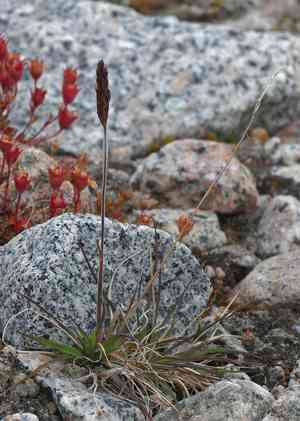
For spiked oatgrass, the ideal period for relocation spans from the invigorating warmth of late spring through the threshold of early summer, facilitating root development. Select a location offering full sun to partial shade, featuring soil that drains effectively. Exercise caution when handling spiked oatgrass to safeguard its fragile root structure.
Necessary Preparations Before Relocating Spiked Oatgrass
Optimal Period for Spiked Oatgrass Relocation?
The ideal window for moving spiked oatgrass spans from the onset of late spring through the vigor of early summer. This timeframe provides the perfect mix of warming earth and extending daylight, which aids in root development and the plant's adaptation to its new spot. Transplanting at this point leverages the season's mild temperatures and consistent moisture, ensuring spiked oatgrass establishes robustly before the intensity of peak summer heat. A friendly reminder: your careful selection of this prime transplanting period will result in strong growth and a thriving spiked oatgrass.
Required Spacing Between Spiked Oatgrass Plants?
When getting ready to move spiked oatgrass, envision each plant having ample room to expand. Aim to position them roughly 6-8 inches (15-20 cm) apart. This provides sufficient area for each plant to flourish without feeling cramped.
Best Soil Blend for Spiked Oatgrass Transplanting?
Before introducing spiked oatgrass to your garden, enrich the earth with enthusiasm! A well-draining soil, abundant in organic matter, is most suitable for spiked oatgrass. A light application of a balanced, slow-release fertilizer, such as a 10-10-10, will create a welcoming initial home.
Where to Replant Your Spiked Oatgrass?
Locate a sunny area where spiked oatgrass can enjoy at least six hours of sunlight daily. A bright east or south-facing spot would be excellent! Partial shade is also acceptable if direct sun is too scarce.
Equipment to Prepare Before Transplanting Spiked Oatgrass
Gardening Gloves
To safeguard your hands while handling soil and plants.
Shovel or Spade
For excavating the plant and preparing the new planting site.
Hand Trowel
Useful for smaller or more delicate digging tasks.
Watering Can or Hose
To hydrate the plant before and after its relocation.
Wheelbarrow
For moving the plant and soil if needed.
Pruning Shears
To trim any dead or damaged roots or foliage.
Garden Fork
To loosen the soil surrounding the plant's root ball.
Mulch
To apply around the plant's base post-transplant, for moisture retention and weed control.
How to Extract Spiked Oatgrass from the Soil?
How to Extract Spiked Oatgrass from the Soil?
From Ground: Start by watering the spiked oatgrass plant to soften the earth. Use a spade or shovel to dig a wide circle around the plant, being careful not to harm the root ball. Gently work the tool beneath the root ball to free the plant from the ground. Transfer it to a wheelbarrow or carry it carefully to its new spot.From Pot: Water the potted plant to moisten its roots. Tilt the pot sideways and gently tap to loosen the plant. Support the spiked oatgrass plant by its base and carefully slide it out, ensuring the root ball remains intact. Avoid pulling the plant roughly by its stems or leaves.From Seedling Tray: First, ensure the seedlings are well-hydrated. Use a hand trowel or a dibbler to carefully lift individual spiked oatgrass seedlings from the tray. Support the seedlings gently to prevent damage to their delicate roots and stems.
Step-by-Step Guide for Relocating Spiked Oatgrass
Preparation
Gather all previously mentioned supplies. Confirm the new planting area is ready, with a hole twice the width of the plantâs root ball and of equal depth.
Removal
Follow the instructions in the 'removal process' section to carefully extract the spiked oatgrass from the ground, pot, or seedling tray with minimal root disturbance.
Transplanting
Position the spiked oatgrass in the center of the new hole. The top of the root ball should be level with the soil surface. Adjust the soil beneath it if necessary. Gently backfill the hole with the excavated soil, firming it around the roots to eliminate air pockets.
Immediate Watering
After transplanting, thoroughly water the spiked oatgrass to settle the soil around the roots and hydrate the plant.
Support
If the spiked oatgrass plant is larger or top-heavy, consider staking it to provide stability while the roots establish themselves in the new location.
Mulching
Apply a layer of mulch around the base of the spiked oatgrass, keeping a small distance from the stem, to help retain soil moisture and suppress weeds.
Post-Transplant Care for Spiked Oatgrass
Initial Watering
Maintain consistent soil moisture around the spiked oatgrass for the first month after transplanting to aid root recovery and growth in its new environment.
Pruning
Remove any damaged or broken foliage after transplanting to redirect the spiked oatgrass's energy towards root and new growth development.
Monitoring
Observe the spiked oatgrass for signs of stress, such as wilting or yellowing leaves, and take appropriate action, like checking for proper soil moisture or providing shade if needed.
Protection
Safeguard the spiked oatgrass from pests and diseases by maintaining a tidy garden, and potentially using protective coverings like row covers if common pests are prevalent in the area.
Resolving Common Issues with Spiked Oatgrass Transplantation.
What's the best season to move spiked oatgrass?
The prime time to transplant spiked oatgrass is during the sweet spot of mid-spring to early summer, when the soil is warm and receptive.
How much space should I allow between spiked oatgrass when transplanting?
For spiked oatgrass to flourish, aim for a generous spacing of 6-8 inches (15-20 cm) between plants.
Why isn't my spiked oatgrass thriving after transplant?
Ensure spiked oatgrass is planted in well-drained soil with ample sunlight and that youâre watering it appropriately without overdoing it.
What soil type is ideal for transplanting spiked oatgrass?
Select a well-draining loam or sandy soil that is fertile to create a comfortable bed for spiked oatgrass.
How deep should I plant spiked oatgrass's roots?
Plant spiked oatgrass's roots just deep enough to match its previous depth, promoting stable and upright growth.
Should I fertilize spiked oatgrass after transplanting?
Give spiked oatgrass a good start with a balanced, slow-release fertilizer, but donât over-indulge as it could harm the young roots.
How often should I water spiked oatgrass after transplanting?
Water spiked oatgrass thoroughly right after transplanting and then maintain moist soil, especially during its first growing season.
Does spiked oatgrass need full sun or shade after transplantation?
After transplanting, spiked oatgrass performs best in full sunlight but will tolerate some partial shade.
How do I handle the root ball when transplanting spiked oatgrass?
Gently separate the roots of spiked oatgrass if theyâre matted, and support the root ball to prevent damage during transplanting.
Can I move spiked oatgrass from a container to the ground?
Absolutely! Just ensure the transplanting site mimics the container's conditions, and transition spiked oatgrass gradually to avoid shock.



