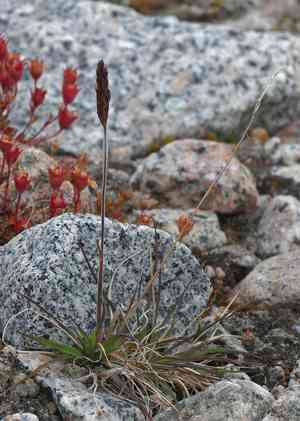
Spiked oatgrass (Trisetum spicatum)
Also known as: Northern oatgrass
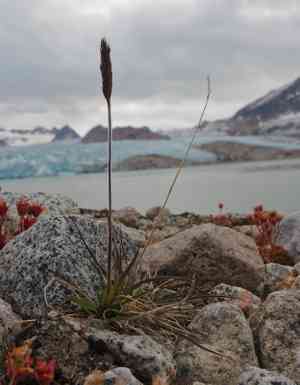
Spiked oatgrass is a resilient, grass-like herb that thrives in alpine environments and along the rocky shores of lakes and rivers. It is present on every continent except Africa and is often referred to as "oatgrass" because of its similarity to the oat plant.
In This Article
Attributes of Spiked oatgrass
Lifespan
Perennial
Plant Type
Grass
Plant Height
8 cm to 30 cm
Spread
Varies, typically does not have a distinct \'crown\' as it is a tufted grass.
Leaf Color
Green
Flower Size
Spikelets are small, each about 0.3-0.5 cm long.
Flower Color
White Yellow Green Brown
Images of Spiked oatgrass
Quickly Identify Spiked oatgrass
1
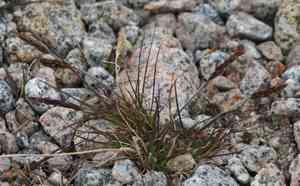
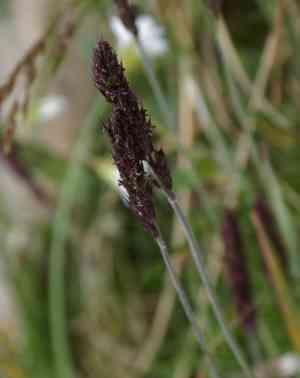
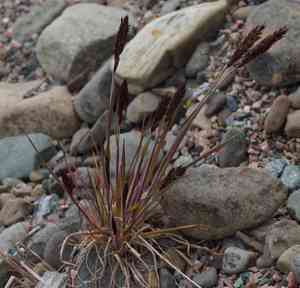
It can be identified by its dense, spike-like panicle inflorescences, usually 3-10 cm long, with narrow, erect or ascending branches. Leaves are narrow and typically hairy, and the whole plant appears in dense tufts.
Scientific Classification of Spiked oatgrass
Phylum
Vascular plants
Class
Monocotyledons
Order
Poales
Family
Grass
Genus
Oatgrass
Species
Spiked oatgrass
Planting and Growing of Spiked oatgrass
Care Difficulty
Easy
Watering Schedule
Every 2 days
Sunlight Requirements
Full sun
Sunshine Duration
4-6 hours
Ideal Temperature
50-68℉
Soil Type
Potting Mix, Peat Mix
Soil pH
6.5-7.5
Fertilizer Type
Balanced
Pruning Season
Spring, Summer
Pruning Area
Branches, Leaves
Pruning Frequency
2 times a year
Repotting Season
Spring
Pot Type
Plastic, Ceramic
 How to Water Spiked oatgrass?
For Trisetum spicatum, it is essential that the soil receives just enough moisture to maintain a slight dampness. Aim to provide about 100 ml of water each time you water it, ensuring that the soil is evenly moistened but not excessively wet. Be cautious not to allow water to pool at the base as it could cause root damage.
What are the symptoms of an underwatered Spiked oatgrass?
›
What should I do if my Spiked oatgrass is not getting enough water?
›
What are the symptoms of an overwatered Spiked oatgrass?
›
How to save an overwatered Spiked oatgrass?
›
 What Are the Sunlight Requirements for Spiked oatgrass?
Trisetum spicatum thrives best in partial to full sun, typically needing 4 to 6 hours of sun daily. Access to ideal light supports robust growth and enhances its aesthetic appeal.
More About Sunlight Requirements Techniques→
What is the best location for Trisetum spicatum?
›
How can we ensure optimal light exposure for Trisetum spicatum?
›
What are the benefits of ideal light conditions for Trisetum spicatum?
›
 What Is the Ideal Temperature Range for Spiked oatgrass?
The ideal temperature range for Trisetum spicatum is between 50°F and 68°F. This range ensures optimal growth and development by providing a stable environment that mimics its native conditions found at high altitudes or colder climates. Maintaining these temperatures helps in achieving healthy foliage and robust root systems.
 What Soil is Best for Spiked oatgrass?
Trisetum spicatum thrives in well-drained soil conditions. This ensures that excess water flows away, preventing root rot and other moisture-related issues. A well-drained substrate not only aids in proper root development but also optimizes nutrient uptake, making it crucial for the plant's vigor. The plant prefers soil that is moderately rich in organic matter. This provides essential nutrients and enhances soil structure, which is beneficial for the plant's growth and resilience. Moderate fertility helps maintain a balance, avoiding both nutrient deficiency and toxicity. A pH range of 6.5 to 7.5 is ideal for Trisetum spicatum. This pH level supports optimal enzyme activity and nutrient availability in the soil, ensuring the plant can access the necessary elements for healthy growth.
 How to Fertilize Spiked oatgrass?
For Trisetum spicatum, use a balanced 10-10-10 liquid fertilizer applying 1 teaspoon per gallon of water. It is important to follow the packaging instructions to avoid over-fertilization.
 How to Prune Spiked oatgrass?
Start by inspecting the plant to locate any dead or discolored stems. These should be cut back to the base to prevent disease and encourage new, vigorous growth. Trim the plant to maintain a neat, rounded shape. Focus on cutting back any overly long or misshaped stems to enhance the plant's aesthetic and structural integrity. Remove any debris or fallen leaves around the base of the plant. Clearing this area can help prevent pests and diseases while also ensuring the plant has adequate space to spread.
More About Pruning Techniques→
 How to Propagate Spiked oatgrass plant?
1
Collect seeds once the plant has dried out naturally. Clean the seeds and store them in a cool, dry place until you are ready to plant. Before planting, soak the seeds in water for 24 hours to improve germination.
2
Prepare a well-draining soil mix and fill seed trays or pots. The soil should be a mix of peat and sand to provide adequate drainage and aeration for the seeds or divided plants.
3
Sow seeds or plant divisions at the correct depth in prepared soil. Water them gently, ensuring the soil is moist but not waterlogged. Keep an eye on the moisture level, adjusting as necessary.
 How to Repot Spiked oatgrass plant?
1
Repot Trisetum spicatum when you notice roots crowding out of the drainage holes or the plant's growth has visibly slowed. Spring is ideal as the plant is entering a period of active growth, allowing it to establish in a new pot.
2
Select a pot that is one size larger than the current one, with ample drainage holes to prevent waterlogging. The right pot ensures the plant has more space for roots to expand, enhancing overall growth and health.
3
Opt for a well-draining, loamy soil mix with some organic material. This provides the necessary air and moisture balance while enough nutrients support its healthy growth.



