The Spiked oatgrass Plant Advantage: Maximizing Home and Office Appeal and Wellness
1
Spiked oatgrass enhances ground quality and stops soil loss.
2
Offers a home for helpful animals and bugs.
3
Utilized in garden design for its beauty and versatility.
What Are the Environmental Benefits of Spiked oatgrass?
Soil Health and Erosion Control
A key advantage of Spiked oatgrass is its capacity to enhance ground quality. Its root structure aids in stabilizing the earth, lessening erosion and the loss of valuable topsoil. By anchoring the soil, Spiked oatgrass prevents water runoff, ensuring the land retains its nutrients and remains fertile. This makes it an excellent option for areas prone to erosion, such as inclines and riverbanks.
Promoting Biodiversity
Spiked oatgrass offers vital shelter for various insect species and small creatures. The plant's dense growth provides refuge and food sources, fostering rich biodiversity. This helps maintain ecological equilibrium and supports the life cycle of beneficial organisms like pollinators, which are crucial for the health and productivity of many ecosystems.
How Can Spiked oatgrass Be Used in Landscaping?
Aesthetic Appeal
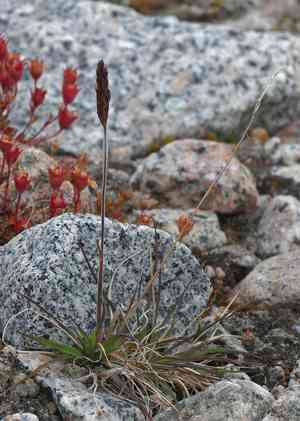
With its tall, slender stalks and attractive seed heads, Spiked oatgrass improves the visual charm of gardens and outdoor spaces. It adds a natural, untamed look that is both calming and visually engaging. Its foliage varies in hue, ranging from green to shades of yellow and brown, which can complement diverse landscape designs.
Adaptability and Maintenance
Spiked oatgrass is a robust plant that can flourish in various soil types and climate conditions. This resilience makes it a low-upkeep choice for homeowners and landscapers. It requires minimal irrigation once established and is resistant to many common pests and diseases, reducing the need for chemical treatments and ongoing care efforts.
Can Spiked oatgrass Contribute to Agricultural Practices?
Forage and Grazing
Spiked oatgrass serves as an excellent fodder grass for grazing animals. Its nutritional content supports the diet of livestock, making it beneficial for farmers who rely on natural pastures. The plant's hardiness also ensures it can withstand grazing pressure, making it a sustainable option for long-term agricultural use.
Cover Cropping
Utilizing Spiked oatgrass as a cover crop can boost soil fertility and structure. The plant's root system helps break up compacted soil, improving aeration and water infiltration. This can be particularly advantageous in crop rotation systems, where maintaining soil health is crucial for the productivity of subsequent crops. Additionally, Spiked oatgrass can suppress weed growth, reducing the need for herbicides.
What Role Does Spiked oatgrass Play in Ecosystem Restoration?
Rehabilitation of Degraded Lands
Spiked oatgrass is frequently employed in ecological restoration projects to revitalize degraded areas. Its capacity to grow in poor soil conditions allows it to establish quickly and initiate the process of soil stabilization and nutrient cycling. This makes it an ideal candidate for restoring areas impacted by industrial activities, deforestation, or natural disasters.
Supporting Native Flora
In regions where indigenous plant species have been overtaken by invasive species, Spiked oatgrass can play a vital role in restoration efforts. By planting Spiked oatgrass, restorationists can create a welcoming environment for native flora to re-establish. This helps restore the natural plant community, maintaining ecological integrity and promoting the recovery of the entire ecosystem.
How Can Spiked oatgrass Be Incorporated into Sustainable Practices?
Green Spaces in Urban Areas
Integrating Spiked oatgrass into urban green spaces can offer numerous environmental advantages. Its presence in parks, green roofs, and community gardens can enhance biodiversity, improve air quality, and provide residents with natural, accessible green areas. This contributes to the overall well-being of urban populations and fosters a connection to nature.
Reducing Carbon Footprint
As a resilient and low-maintenance plant, Spiked oatgrass demands fewer resources for cultivation. This lessens the carbon footprint linked to landscaping practices. By selecting Spiked oatgrass, individuals and organizations can contribute to sustainable practices that mitigate climate change impacts, ensuring a healthier planet for future generations.



