How to Prune Spiked oatgrass?
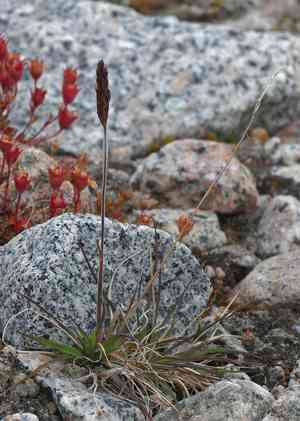
This enduring grass, recognized for its delicate stalks and floral plumes, thrives with trimming to sustain its vitality and aesthetic. For spiked oatgrass, trim back aged leaves to soil level in early spring prior to the emergence of fresh shoots. Winter trimming is also feasible once the plant enters dormancy, guaranteeing the elimination of deceased matter to foster robust regeneration. Performing pruning during these periods enables spiked oatgrass to preserve its resources, leading to a more compact, appealing cluster within the garden.
What Are the Benefits of Pruning Spiked Oatgrass?
What Are the Benefits of Pruning Spiked Oatgrass?
Trimming spiked oatgrass promotes robust development and maintains its attractive shape. Routine cutting helps eliminate dead or diseased leaves, fostering a strong structure and preventing excessive density, which can lead to reduced vitality and increased vulnerability to pests.
What Is the Best Time for Pruning Spiked Oatgrass?
What Is the Best Time for Pruning Spiked Oatgrass?
Pruning spiked oatgrass in early spring, just prior to new growth, is optimal as it prepares the plant for the vigorous development that accompanies warmer weather. This timing also allows gardeners to remove any winter damage and effectively shape the plant. Late winter pruning is also suitable, when the plant is dormant and the risk of cold damage to fresh cuts is minimal. This period avoids disrupting the growth cycle and flowering that typically occurs after dormancy, thereby enhancing the overall health and appearance of spiked oatgrass.
What Tools Do I Need to Prune Spiked Oatgrass?
Hand Pruners
For precise cutting and shaping of spiked oatgrass, bypass hand pruners are ideal. They create clean cuts without crushing stems, encouraging healthy regrowth.
Grass Shears
Grass shears are suitable for trimming and shaping the foliage of spiked oatgrass. These shears facilitate quick snips and are particularly effective for hard-to-reach areas.
Garden Scissors
These are useful for snipping off spent flower heads or dead leaves on spiked oatgrass, which helps in maintaining plant aesthetics and health.
How to Prune Spiked Oatgrass
Sanitize tools
Before starting the pruning process, clean and disinfect all pruning tools. This helps prevent the spread of disease to spiked oatgrass or other plants.
Identify
Closely examine spiked oatgrass to identify diseased and withered leaves. Look for any signs of discoloration, spots, or decay indicating unhealthy tissue.
Cut diseased leaves
Using the sanitized pruning tools, carefully cut away the diseased leaves from spiked oatgrass. Make the cuts at the base of the affected leaves, taking care not to damage healthy tissue.
Cut withered leaves
Similarly, remove withered leaves by making clean cuts at their base. This will not only improve the plant's appearance but also encourage new growth.
Dispose
Properly dispose of all removed material away from healthy plants to prevent any potential spread of disease or pests. Do not compost diseased or withered leaves.
Common Pruning Mistakes with Spiked Oatgrass
Overpruning
Removing too much foliage from spiked oatgrass, which can weaken the plant and reduce its vigor.
Blunt tools
Using dull or unclean pruning tools, which can cause damage or disease to the stems of spiked oatgrass.
Incorrect cut location
Cutting too far away from a bud or node, which can lead to unnecessary dieback and could invite pests or disease.
Pruning for size only
Focusing solely on the size of spiked oatgrass rather than the plant's natural shape and health, which can lead to an unbalanced and stressed plant.
Ignoring dead material
Failing to remove dead or dying foliage which can sap the plantâs resources and inhibit new growth.
Common Pruning Tips for Spiked Oatgrass
Sharp clean tools
Ensure pruning tools are sharp and disinfected before use to make clean cuts and reduce the risk of disease transmission.
Selective pruning
Conduct selective pruning, removing only dead or weak stems to maintain spiked oatgrass's natural form and promote healthier, more resilient growth.
Angle cuts
Make angled cuts just above nodes or buds to encourage new growth and prevent water accumulation which could lead to rot.
Thin center
Thin out the center of spiked oatgrass to improve air circulation and light penetration, which are vital for the health and flowering of the plant.
Consistent maintenance
Regularly inspect spiked oatgrass and perform light, consistent pruning maintenance as needed instead of severe infrequent cuts.



