How to Transplant Nodding trillium?
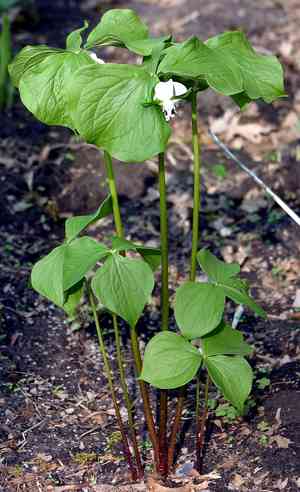
For Trillium cernuum, the ideal window for relocation is the invigorating phase of mid-to-late spring. Select a location offering filtered light and damp, adequately draining earth to replicate its native forest environment. A helpful suggestion: subtly amend the soil with compost for optimal outcomes.
Essential Preparations Before Relocating Nodding Trillium
When is the Best Time to Move Nodding Trillium?
The perfect window for moving nodding trillium is from mid to late spring. This timing ensures the ground is sufficiently warm for root growth and allows ample time for the plant to settle before summer's peak. Transplanting during this season leverages increasing daylight and mild weather, creating an ideal, low-stress environment. Aligning with its natural growth cycle facilitates a smooth transition, preparing nodding trillium for a vigorous growing season.
How Much Distance Should Be Maintained Between Nodding Trillium Plants?
Firstly, remember nodding trillium requires room to develop. Aim to space your plants approximately 1-2 feet (30-60 cm) apart. This spacing provides adequate room for growth without crowding, and ensures good air circulation to prevent pest and disease issues.
What is the Optimal Soil Blend for Transplanting Nodding Trillium?
Secondly, nodding trillium thrives in rich, well-draining soil. Enhance your garden soil with compost to boost nutrient content. Incorporate a foundational fertilizer like bone meal or aged manure, which effectively supplies readily available phosphorus.
Where is the Best Location to Replant Your Nodding Trillium?
Finally, select an ideal spot for nodding trillium. It prefers partial to full shade, making areas under trees or on the north side of structures perfect. Keep it away from intense midday sun to avoid wilting and leaf scorch.
Tools Required for Nodding Trillium Transplantation
Gardening Gloves
To protect your hands from unexpected injuries while handling soil and plants.
Shovel or Hand Trowel
These implements are used for digging the transplant hole and extracting the nodding trillium from its original spot.
Pruning Shears
For trimming any damaged or unnecessary roots before the plant is moved to its new location.
Watering Can
To provide sufficient water to the plant immediately after transplanting.
Mulch
Helps maintain soil moisture, suppress weeds, and support root health.
Wheelbarrow or Gardening Tray
For convenient and safe transport of the plant without causing damage.
How to Extract Nodding Trillium from the Soil?
How to Extract Nodding Trillium from the Soil?
From Ground: If moving nodding trillium from the ground, begin by thoroughly watering the plant to moisten the soil. This eases the removal process. Using a shovel or hand trowel, dig a circle around the plant, being careful not to harm the root system. Gently lift the plant, preserving as much of the root ball as possible, then carefully place it into your wheelbarrow or gardening tray.From Pot: If the nodding trillium is in a pot, first check for signs of root binding. If roots are too close to the surface, it may be root-bound; gently untangle them with fingers or a clean knife. Then, tilt the pot sideways, hold the plant by its base, and gently wiggle it out. If it resists, try rolling the pot and pressing from different sides. The plant should then release easily. Once out, inspect for dead or damaged roots and trim them with pruning shears before transplanting.From Seedling Tray: If transplanting nodding trillium from a seedling tray, water the seedlings well before starting. Use your fingers or a small tool to carefully lift the seedlings from the tray, ensuring as much root and soil remain attached as possible. Handle them by the leaves, never the stem.
Step-by-Step Guide for Transplanting Nodding Trillium
Soil Preparation
Once the transplant area is chosen, prepare the ground by digging a hole twice as wide and deep as the plant's root ball. If the soil is very compact, you might want to loosen it to improve drainage.
Plant Placement
Position the nodding trillium into the hole, ensuring the top of the root ball is level with the ground. Backfill the remainder of the hole with soil, gently firming it around the plant's base.
Watering
Water the newly transplanted plant generously immediately after moving it to help it adapt to its new surroundings.
Mulching
Apply a layer of mulch around the plant to help regulate soil temperature and reduce water evaporation.
Post-Transplant Care for Nodding Trillium
Monitoring
Observe your nodding trillium plant closely after transplanting. Watch for any indicators of stress such as wilting, yellowing, or leaf drop.
Watering
While nodding trillium needs balanced moisture, both over and under-watering can stress the plant. Therefore, keep the soil consistently moist, especially during the first few weeks post-transplant.
Pruning
Remove dead or damaged leaves to encourage healthy development. Lastly, enjoy the process and remember a thriving plant leads to a happy gardener!
Addressing Common Issues During Nodding Trillium Transplantation.
What is the optimal season to transplant nodding trillium?
The best time to transplant nodding trillium is during the second (S2) or third season (S3). These periods offer ideal conditions for the plant's growth.
How much spacing should I allow between each nodding trillium when transplanting?
Ensure a distance of 1-2 feet (30-60 cm) between each nodding trillium to provide ample room for growth and prevent overcrowding.
Why is my transplanted nodding trillium not showing any signs of growth?
Nodding trillium may not grow immediately after transplanting. Allow it time to adjust to its new location, maintain optimal watering, and ensure it is not overcrowded.
How should I prepare the soil before transplanting nodding trillium?
The soil should be fertile and drain well. Add compost or organic matter to boost fertility if needed. The pH should be slightly acidic to neutral.
What is the recommended depth for planting nodding trillium bulbs?
For best results, plant nodding trillium bulbs at a depth three times their heightâapproximately 3 inches (7.5 cm) deep.
Why are the leaves of my transplanted nodding trillium turning yellow?
Yellowing leaves could indicate overwatering or a nutrient deficiency. Adjust your watering schedule and consider a soil test to identify any shortages.
How much sunlight does a transplanted nodding trillium require?
Nodding trillium prefers partial to full shade. Too much direct sunlight can cause leaf burn, hindering its growth.
How often should I water my newly transplanted nodding trillium?
Nodding trillium prefers slightly moist soil but dislikes waterlogging. Therefore, water just enough to prevent the soil from drying out without saturating it.
Is it necessary to apply mulch after transplanting nodding trillium?
Yes, applying a layer of mulch about 2-3 inches (5-7.6 cm) around nodding trillium helps retain soil moisture and suppress weeds.
What should I do if my transplanted nodding trillium has stopped blooming?
If your nodding trillium has ceased blooming, it may require more nutrients. A balanced, slow-release fertilizer can provide what it needs to bloom again.



