How to Propagate Nodding trillium?
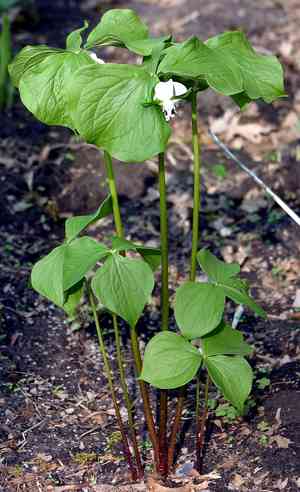
Nodding trillium flourishes when multiplied via separation, an uncomplicated technique that aids in sustaining the well-being and robustness of established clusters. Gently separate the rhizomes in the fall, making sure every piece possesses a minimum of one sprout. Following separation, promptly re-embed the segments at their original soil level, in an area featuring damp, adequately draining earth and dappled to complete shade. This procedure assists in upholding the native environment-like circumstances that nodding trillium prefers, enabling its prosperity.
Optimal Time for Nodding Trillium Propagation
Propagation Method
Division
Propagation Period
Spring,Autumn
Tools Required for Nodding Trillium Propagation
Spade or Garden Fork
These implements are vital for excavating nodding trillium without harming its root structure. A spade or garden fork is employed to gently lift the clump from the earth, minimizing damage to the roots. Their robust construction and sharp edges make them perfect for penetrating the soil surrounding nodding trillium, which is essential for a successful division.
Sharp Knife or Pruning Shears
These instruments are utilized for making clean cuts through the roots during the division of nodding trillium. A sharp knife or shears ensure precise and neat cuts, promoting superior healing and post-division growth. It is crucial that the blade is sterilized prior to use to prevent disease transmission.
Watering Can with a Fine Rose
Following the replanting of nodding trillium divisions, gentle irrigation is necessary to help settle the soil and provide needed moisture. A watering can equipped with a fine rose attachment ensures a soft, dispersed water flow that does not disturb the newly planted divisions or expose roots.
Rooting Hormone (optional)
While not always mandatory, applying a rooting hormone to the cut sections of nodding trillium's roots can enhance root development and improve the overall propagation success rate. This is particularly beneficial in ensuring the viability and health of nodding trillium after propagation.
How to Propagate Nodding Trillium
Propagation Difficulty
Easy
Caring for Your Newly Propagated Nodding Trillium
Caring for Your Newly Propagated Nodding Trillium
After propagating nodding trillium, ensure it continues to receive shade and moist, yet well-draining soil. Avoid excessive watering, as this can lead to root rot. Apply mulch around the plant to help retain moisture and suppress weeds. Since nodding trillium is a slow grower, be patient with its development and avoid frequent disturbance. Annual top-dressing with compost can encourage healthier growth and flowering.
Common Errors to Avoid When Propagating Nodding Trillium
Overwatering
Excessive watering can result in root rot and fungal infections in nodding trillium. The plant prefers moist but well-drained soil, and too much water can impede its root development.
Deep planting of rhizomes
Planting the rhizomes of nodding trillium too deeply can hinder their effective sprouting. This obstructs growth as the shoots might not be able to reach the surface.
Using non-acidic soil
Nodding trillium thrives in slightly acidic soil. Utilizing neutral or alkaline soil can diminish the plant's capacity to absorb essential nutrients, affecting its growth and flowering potential.
Tips For Propagating Nodding Trillium
Use of fresh seed
For successful propagation, it is vital to sow fresh seeds of nodding trillium immediately after collection as their viability diminishes over time. This increases the germination rate.
Cold stratification
Seeds of nodding trillium require a period of cold stratification to break dormancy. Simulating winter conditions by refrigerating the seeds for a few months can improve germination success.
Maintain humidity
Maintaining a high humidity environment around nodding trillium during its initial growth phase aids in the healthy development of leaves and stems, which is crucial for the young plant’s survival.



