How Much Sunlight Do Nodding trillium Need?
1
Nodding trillium flourishes with approximately 3-6 hours of sun exposure each day.
2
It can endure complete shade, making it adaptable for forested areas.
3
Achieving a balance of shade and light is crucial for Nodding trillium's robust development.
Grasping Nodding Trillium's Light Requirements
Why Illumination is Vital for Nodding Trillium
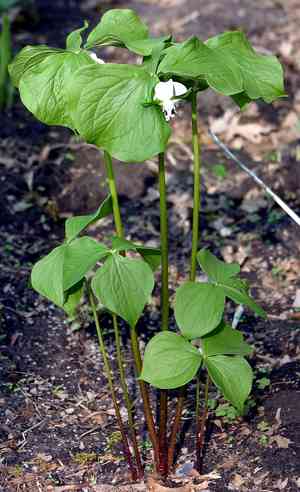
Light is fundamental for Nodding trillium as it powers photosynthesis, allowing the plant to generate sustenance and energy. Light also aids in the formation of its distinctive white drooping blossoms. Without sufficient light, the plant might not produce its characteristic flowers, and its overall development could be hindered.
Optimal Illumination Conditions for Nodding Trillium
Nodding trillium thrives best in partial sun, receiving approximately 3-6 hours of daily sunlight. It's adapted to flourish under the filtered light of forest canopies, making it perfect for woodland gardens. While it can endure full shade, it won't bloom as profusely compared to when it gets some sun.
How to Pinpoint the Ideal Location for Nodding Trillium
Evaluating Your Garden's Light Exposure
Understanding your garden's light levels is crucial for positioning your Nodding trillium. Dedicate a day to observing the amount of direct, indirect, and filtered light various areas of your garden receive. Utilize a light meter or simply track shadows and light patterns throughout the day to identify the prime spots for your plant.
Prime Spots in Your Yard for Nodding Trillium
The perfect spot for Nodding trillium is an area that gets morning sun and afternoon shade, mimicking its natural forest environment. Locations beneath deciduous trees, where it can enjoy dappled light, or borders that receive some natural light but are shielded from the intense afternoon sun, are excellent.
Advice for Managing Nodding Trillium's Sunlight Exposure
Balancing Shade and Sunlight
Achieving a balance between shade and sunlight is essential. Employing trees and larger shrubs to provide natural shade can replicate the ideal conditions of a forest floor. If this isn't feasible, consider using shade cloths during the particularly sunny parts of the day to ensure the Nodding trillium doesn't receive excessive direct sunlight.
Recognizing Indicators of Too Much or Too Little Light
If your Nodding trillium receives too much light, you might observe its leaves yellowing or developing burn marks. Conversely, insufficient light can lead to stunted growth and a lack of blooms. Regularly monitor your plant and adjust its light conditions as necessary to maintain its vitality.
Utilizing Structures or Plants for Natural Shading
Strategically planting taller flora or installing structures like pergolas or shade sails can help provide the correct light balance. Interplanting Nodding trillium with taller perennials that offer filtered sunlight can also be advantageous. Always ensure that the shading element permits some natural light to penetrate.
Seasonal Light Variations for Nodding Trillium
Spring and Summer Light Requirements
During spring and summer, Nodding trillium will benefit from the extended daylight hours but still requires protection from the midday sun. Morning light and dappled shade in the afternoon are optimal during these seasons to encourage healthy growth and flowering.
Autumn and Winter Light Considerations
In autumn and winter, as daylight hours diminish, Nodding trillium will be dormant and its light needs will be minimal. Ensuring adequate protection from harsh winter conditions is more critical during these periods. Mulching around the base can help safeguard it until it re-emerges in the spring.



