How to Prune Nodding trillium?
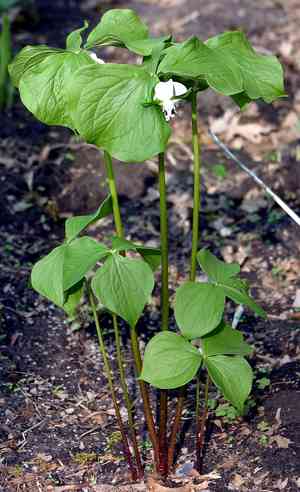
The unique nodding trillium, recognized by its pendulous, three-petaled blossoms, needs very little trimming. Gently take off any withered or discolored leaves to preserve its well-being. Perform pruning in the springtime following its flowering period to stimulate development, although sporadic summer or autumn cutting can also be advantageous. Trimming improves air movement and lowers the chance of illness for this undemanding variety. Refrain from extensive cutting to prevent putting strain on the plant.
What Are the Benefits of Pruning Nodding Trillium?
What Are the Benefits of Pruning Nodding Trillium?
Trimming nodding trillium encourages development, channels energy to produce more vibrant blooms, and maintains a desired shape. Strategic cuts boost vigor and enhance appearance, ensuring nodding trillium stays healthy and visually pleasing.
What Is the Best Time for Pruning Nodding Trillium?
What Is the Best Time for Pruning Nodding Trillium?
Pruning in late spring to early summer aligns with nodding trillium's post-flowering period, which typically blooms in spring. This timing allows gardeners to remove spent flowers and shape the plant without disrupting blooming. Post-bloom pruning ensures the plant can heal and produce energy for the next season. Avoid pruning in fall as nodding trillium prepares for dormancy and may not recover well from cuts, leading to reduced vigor or winter damage.
What Tools Do I Need to Prune Nodding Trillium?
Hand Pruners
Nodding trillium is a delicate woodland perennial, meaning heavy pruning is not usually required. Hand pruners with a bypass blade are recommended for making clean cuts on the occasional dead or damaged stem without crushing plant tissue.
Gloves
Pruning nodding trillium may bring gardeners in close contact with the soil and sharp plant debris. Durable gardening gloves will protect the hands from cuts and keep them clean.
Garden Snips
For the fine-tuning of nodding trillium, especially when deadheading or removing spent flowers, garden snips with precision tips are ideal. Their small blades can navigate through the plant's foliage without causing unnecessary damage to surrounding areas.
How to Prune Nodding Trillium
Clean tools
Before trimming nodding trillium, sterilize your pruning tools using either alcohol or a 10% bleach solution to prevent the spread of diseases.
Remove diseased leaves
Identify and gently cut off diseased leaves from nodding trillium, making your cut at the base of the leaf stalk where it connects to the main plant. Dispose of these carefully to prevent contamination.
Prune withered leaves
Trim any withered leaves from nodding trillium in the same manner as diseased leaves, ensuring that the cuts are clean and do not damage the plant's stem or nearby healthy leaves.
Deadhead flowers
Remove withered flowers from nodding trillium by cutting the flower stalk below the flower head without harming the underlying leaf or stem to encourage future growth.
Cleanup
After pruning, clean up all removed plant material from around nodding trillium to maintain good hygiene and reduce the likelihood of disease.
Common Pruning Mistakes with Nodding Trillium
Over pruning
Cutting back nodding trillium too aggressively can harm the plant. Being a slow grower, it requires minimal pruning, and excessive cutting can lead to weakened plants.
Pruning for symmetry
Trying to create symmetry by pruning can result in an unnatural appearance for nodding trillium. This species naturally has a unique growth pattern that does not adhere to symmetrical forms.
Using dull tools
Utilizing dull pruning tools can cause jagged cuts that may harm nodding trillium, leading to potential disease entry points.
Removal of all fading flowers
Removing all of the fading or spent flowers of nodding trillium may prevent the formation of seed pods, which are important for natural propagation.
Disregarding plant health
Pruning without assessing the health of nodding trillium might remove parts of the plant that are essential for its growth and recovery, particularly if the plant is stressed.
Common Pruning Tips for Nodding Trillium
Light touch
When pruning nodding trillium, it's essential to use a light touch and only remove dead or dying foliage to maintain the plant's health without overdoing it.
Aesthetic purposes
Prune nodding trillium sparingly for aesthetic purposes, focusing on gently shaping the plant without attempting to force it into strict shapes or sizes.
Sharp clean tools
Always use sharp, clean tools for pruning nodding trillium, ensuring precise cuts that minimize damage and reduce the risk of disease.
Support seed development
Allow some flowers of nodding trillium to naturally fade and form seed pods, as this supports the plant's life cycle and future generations.
Consider plant's lifecycle
Understanding the lifecycle of nodding trillium is crucial. Prune in a manner that supports its phases of growth without hindering its development or bloom cycle.



