How to Transplant Persian clover?
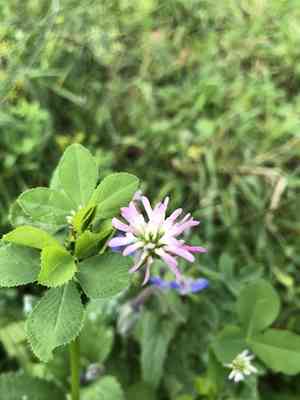
Introduce persian clover to your garden once the threat of frost has passed, from the beginning of spring until its peak. Choose locations that receive ample sunlight and have soil that drains effectively. To ensure proper rooting, refrain from disrupting the root system and provide a steady supply of hydration.
What Preparations are Needed Before Transplanting Persian Clover?
What is the Ideal Time for Transplanting Persian Clover?
Choose to move persian clover when nature awakens â typically from the gentle breezes of early spring until the bloom of late spring. This period ensures strong development. Relocating persian clover at this time aligns with its active growth phase, promising vigorous establishment and flowering.
How Much Space Should You Leave Between Persian Clover Plants?
Carefully create holes for your persian clover at a comfortable distance apart - aiming for 15-20 cm (6-8 inches). This provides the plants with adequate room to expand and flourish without crowding each other.
What is the Best Soil Mix for Persian Clover Transplanting?
Nurture those roots in a rich, living loamy soil. Incorporate some balanced fertilizer, such as a 10-10-10, to give your persian clover a boost. It's like a welcoming meal for them as they settle in!
Where Should You Relocate Your Persian Clover?
Select a sunny location where light generously falls for at least 6 hours daily. Your persian clover enjoys basking in the golden light, but would also appreciate some shade during the hottest part of the day to stay cool.
What Equipments Should You Prepare Before Transplantation Persian Clover?
Gardening Gloves
To safeguard your hands while handling soil and plants.
Spade or Shovel
To excavate the plant and prepare the new planting site.
Garden Fork
To loosen the earth surrounding the plant's root system.
Watering Can or Hose
To hydrate the plant before and after its relocation.
Wheelbarrow or Garden Cart
To move the plant if it is large or if relocating multiple specimens.
Pruning Shears
To trim any damaged roots or foliage prior to transplanting.
Mulch
To assist in retaining moisture in the soil around the newly transplanted location.
How Do You Remove Persian Clover from the Soil?
How Do You Remove Persian Clover from the Soil?
From Ground: Hydrate the persian clover to moisten the soil. Dig a wide trench around the plant using a shovel or spade, ensuring the root ball remains intact. Carefully work the spade beneath the root ball to lift the plant from its spot.From Pot: Water the persian clover beforehand. Turn the pot sideways, hold the plant's base, and gently tap the bottom to loosen it. Tilt the pot and carefully guide the root ball out to prevent root damage.From Seedling Tray: Water the seedlings to make the soil damp. Use a garden fork or a spoon to gently lift the seedling out by its root ball, minimizing root disturbance.
Step-by-Step Guide for Transplanting Persian Clover
Transplant Timing
Relocate during the cooler parts of the day, such as early morning or late afternoon, to minimize stress on persian clover.
Preparing the New Site
Dig a hole twice the width of the persian clover's root ball and at the same depth it was previously growing.
Preparing the Plant
Use pruning shears to remove any damaged roots or leaves. Gently untangle roots if necessary, being careful to avoid harm.
Placing the Plant
Position persian clover in the center of the prepared hole, spreading out its roots. Ensure the plant's base is level with the surrounding soil.
Backfilling
Gently refill the hole with the excavated soil, firming it around the roots to eliminate any air pockets.
Watering
Thoroughly water the persian clover after planting to settle the soil and hydrate its roots.
Mulching
Apply a layer of mulch around persian clover to help maintain soil moisture and regulate temperature.
How Do You Care For Persian Clover After Transplanting?
Watering
Keep the soil around persian clover consistently moist, but not waterlogged, for the initial weeks post-transplant to aid in establishing strong roots.
Support
If persian clover is tall or particularly delicate, use plant stakes or supports to help it remain upright during strong winds or heavy rainfall.
Monitoring
Inspect persian clover daily, looking for indications of transplant shock such as wilting or leaf discoloration, and address any issues promptly.
Protection
Shield persian clover from pests and harsh weather by utilizing row covers or other protective measures if needed during its initial growth phase.
Troubleshooting Common Issues with Persian Clover Transplantation.
When is the best time to transplant persian clover?
The ideal transplant period is from early to late spring, when temperatures support root development.
What spacing should I use when transplanting persian clover?
Aim for a distance of 6-8 inches (15-20 cm) between plants to ensure sufficient room for growth.
What should I do if persian clover wilts after transplanting?
Ensure adequate watering, as wilting often indicates moisture stress. Avoid overwatering; keep soil moist, not saturated.
How do I correct yellowing leaves on transplanted persian clover?
Yellowing may signal overwatering or a nutrient deficiency. Adjust irrigation and consider a balanced fertilizer.
Why is my transplanted persian clover not growing well?
Check soil conditions; persian clover prefers well-draining soil. Also, protect roots during transplanting to prevent shock.
How deep should I plant persian clover during transplantation?
Plant at the same depth it grew in its previous container or bed, ensuring the crown is at soil level.
Can I transplant persian clover on a hot day?
Transplant on a cooler, overcast day or in the early evening to minimize transplant shock and water loss.
What is the right way to water persian clover after transplanting?
Water thoroughly after transplanting to settle the soil around roots, then maintain consistent moisture without overwatering.
Are there any signs of over-fertilizing transplanted persian clover?
Yes, leaf burn or excessive growth with weak stems may indicate too much fertilizer. Use fertilizers sparingly.
Should I apply mulch after transplanting persian clover?
Yes, mulching helps retain moisture, regulate soil temperature, and reduce weed competition for optimal growth.



