How to Prune Persian clover?
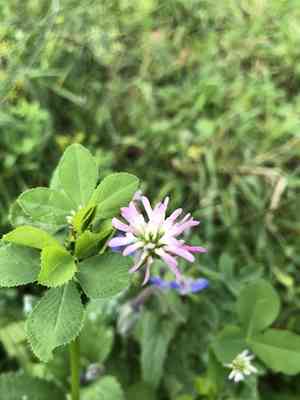
Persian clover, a nitrogen-fixing leguminous plant, flourishes in moderate climates. To achieve peak development, perform a light trim in spring to stimulate branching. Summer shearing encourages thick foliage, and autumn pruning readies persian clover for winter by eliminating deceased or ailing matter. Consistent trimming prevents excessive growth, guaranteeing sufficient light and airflow, which boosts flowering and lowers the chance of disease. Conduct pruning during arid conditions to avert the dissemination of pathogens. Advantages encompass enhanced plant vitality and a greater profusion of blossoms in the subsequent period.
What Are the Benefits of Pruning Persian Clover?
What Are the Benefits of Pruning Persian Clover?
Trimming persian clover promotes robust development and helps maintain its compact form, enhancing its visual appeal and overall well-being.
What Is the Best Time for Pruning Persian Clover?
What Is the Best Time for Pruning Persian Clover?
Pruning or trimming persian clover during Spring is advantageous as it coincides with the start of the plant's active growth phase, encouraging strong growth and ensuring the plant directs energy to desired growth points. Early Summer is another suitable period for pruning, as it aids in shaping the plant and removing any unwanted or excessive growth before the plant invests energy into flowering, which typically occurs in late summer for persian clover. Pruning during Fall is ideal as it helps to remove dead or diseased foliage and prepares persian clover for winter dormancy, reducing potential stress and bolstering the plant's overall health. These seasons correspond to the periods of active growth, pre-flowering, and post-flowering, aiming to maximize growth and flowering potential while minimizing harm to the plant's vitality.
What Tools Do I Need to Prune Persian Clover?
Hand Pruners
For precise cutting of persian clover's thinner stems and for removing spent blooms, hand pruners are perfect. They provide the necessary control and ease of use for such a delicate plant, allowing accurate cuts without harming surrounding foliage.
Pruning Shears
For slightly thicker stems and for shaping the persian clover plant, pruning shears are appropriate. These tools can also manage soft stems effectively, which makes them suitable for maintaining the desired form of persian clover.
Gardening Gloves
When handling persian clover, wearing gloves protects the gardener's hands from potential irritation and ensures a better grip on the pruning tools, which leads to more precise pruning.
How to Prune Persian Clover
Clean tools
Before starting, ensure all pruning tools are clean to prevent disease transmission. Use a 10% bleach solution or rubbing alcohol to sterilize the blades.
Identify
Inspect persian clover for any withered, brown, or dead leaves. These are typically older leaves that may be at the base or interior of the plant.
Cut withered leaves
Using sharp and sterilized pruning shears, carefully cut the withered leaves at the base where they meet the stem or the main cluster, trying not to damage new growth or nearby healthy tissue.
Dispose
Collect and dispose of the removed withered leaves in a compost bin or garbage to reduce the risk of pests or disease spreading within the garden.
Monitor
Monitor persian clover regularly for any signs of distress or further withering. Prune as necessary to maintain plant health and vitality without over-pruning.
Common Pruning Mistakes with Persian Clover
Over pruning
Removing too much foliage from persian clover can stress the plant, result in poor flowering, and weaken its vigor.
Blunt tools
Using dull or dirty pruning tools can cause unnecessary damage to the plant's stems, leading to disease or pest infestations.
Tearing stems
Attempting to break off stems by hand instead of cutting can result in jagged tears that take longer to heal and may attract diseases.
Neglecting deadheading
Failing to remove spent flowers can prevent persian clover from producing new blooms and can lead to self-seeding if not controlled.
Common Pruning Tips for Persian Clover
Clean cuts
Use sharp, clean pruners to make precise cuts on persian clover, which aids in quick healing and reduces the risk of disease.
Appropriate amount
Prune persian clover by removing only the necessary parts of the plant, such as dead or weak stems, to promote healthy growth without overstressing the plant.
Deadheading
Regularly remove faded flowers from persian clover to encourage continuous blooming and prevent undesired self-seeding.
Post bloom pruning
After persian clover finishes its main blooming cycle, cut back the stems lightly to tidy the plant and potentially promote a second, albeit smaller, flush of flowers.



