The Persian clover Plant Advantage: Maximizing Home and Office Appeal and Wellness
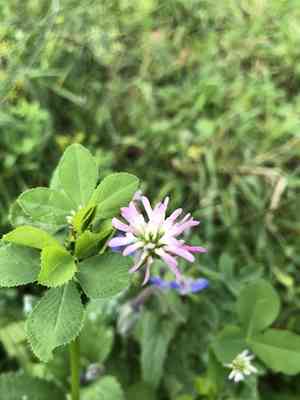
1
Enhances ground richness organically via nitrogen fixation.
2
Functions as superb animal feed, supplying vital nourishment.
3
Better soil composition and stops erosion due to its deep root system.
What Makes Persian clover an Agricultural Powerhouse?
Natural Nitrogen Fixation
A primary advantage of Persian clover is its capacity to fix atmospheric nitrogen through a symbiotic relationship with Rhizobium bacteria. This inherent nitrogen fixation process enriches the soil without requiring synthetic fertilizers, making it an economical and environmentally friendly choice for cultivators. By converting atmospheric nitrogen into a plant-available form, Persian clover significantly boosts soil fertility, enhancing crop yields and lessening reliance on chemical inputs.
Excellent Forage for Livestock
Persian clover is widely recognized for its nutritional value as animal feed. Rich in protein and vital nutrients, it serves as an outstanding food source for livestock, especially during grazing seasons. Its high protein content supports animal growth, milk production, and overall health, making it a preferred option among farmers. Furthermore, its palatability ensures animals readily consume it, leading to improved feed conversion efficiency and enhanced livestock productivity.
How Does Persian clover Improve Soil and Landscape?
Enhancing Soil Structure
The deep-rooting system of Persian clover plays a vital role in improving soil structure. Its roots effectively penetrate the soil, creating channels that boost soil aeration and water infiltration. This results in better moisture retention and more vigorous plant growth. Additionally, the organic matter from its decaying roots contributes to humus formation, further enhancing soil texture and fertility.
Preventing Soil Erosion
With its extensive root network, Persian clover is highly effective at preventing soil erosion. It stabilizes the soil, reducing the risk of erosion caused by wind and water. This makes it particularly useful in areas prone to erosion, such as slopes and riverbanks. By maintaining soil integrity, Persian clover helps preserve topsoil, which is crucial for sustaining agricultural productivity and protecting natural ecosystems.
Why Should Gardeners Consider Growing Persian clover?
Aesthetic and Functional Benefits
Beyond its agricultural advantages, Persian clover is also a valuable addition to gardens and landscapes. It offers both aesthetic and functional benefits, ranging from its attractive blooms to its ability to improve garden soil health. The flowers add a pleasing visual element to gardens, while the plant's ground-covering ability helps suppress weeds and maintain soil moisture levels, reducing the need for extra water and weeding efforts.
Enhancing Biodiversity
Cultivating Persian clover in gardens also promotes biodiversity. It serves as a habitat and food source for various pollinators, including bees and butterflies. This encourages pollinator activity, which is essential for the health of many other plants and overall ecosystem balance. The presence of such beneficial insects can also help control pest populations, reducing the need for chemical pest control methods.



