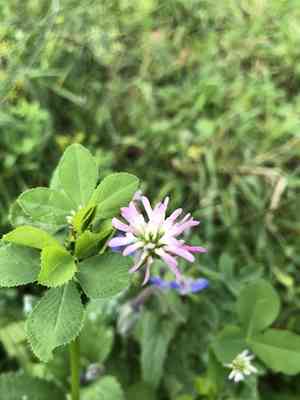
Persian clover (Trifolium resupinatum)
Also known as: Shaftal clover
White clover (Trifolium repens) is a perennial variety commonly used for livestock forage. It is cost-effective to plant and highly palatable to animals, particularly when combined with other grasses. Additionally, white clover serves as an excellent nitrogen fixer.
In This Article
Attributes of Persian clover
Lifespan
Annual
Plant Type
Herb
Plant Height
30 cm to 61 cm
Spread
20-30 cm
Leaf Color
Green
Flower Size
2.5 cm
Flower Color
Pink Purple
Images of Persian clover
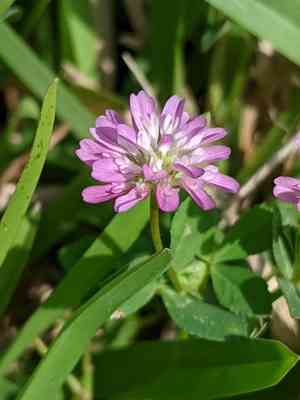
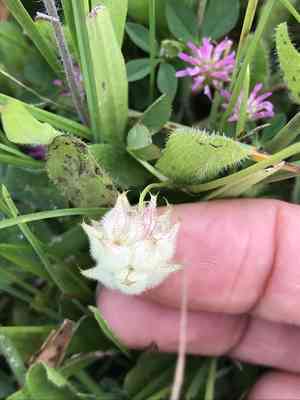
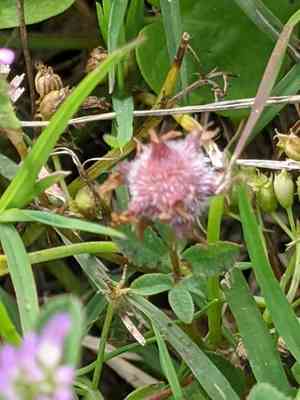
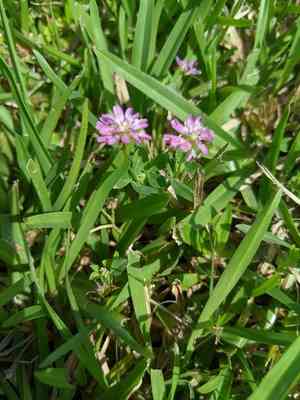
Quickly Identify Persian clover
1
The plant can be identified by its distinctive trifoliate leaves and its unique flower arrangement where the stem appears to twist, giving the plant its \'reversed\' aspect. The flowers are usually purple to pink and densely packed.
Scientific Classification of Persian clover
Phylum
Vascular plants
Class
Dicotyledons
Order
Fabales
Family
Legume
Genus
Clovers
Species
Persian clover
Planting and Growing of Persian clover
Care Difficulty
Easy
Watering Schedule
Every 2 days
Sunlight Requirements
Partial sun
Sunshine Duration
4-8 hours
Ideal Temperature
60-75℉
Soil Type
Potting Mix, Peat Mix
Soil pH
6.5-7.5
Fertilizer Type
Balanced
Pruning Season
Spring, Summer
Pruning Area
Branches, Leaves
Pruning Frequency
2 times a year
Repotting Season
Spring
Pot Type
Plastic, Ceramic
 How to Water Persian clover?
For Trifolium resupinatum, the watering should be kept consistent but moderate. It's essential that the soil remains moist, yet not waterlogged. A general rule of thumb is to water until the top inch of the soil feels slightly damp, which typically requires about 500 ml of water per session. This ensures that moisture reaches the root system but avoids the risk of drowning the plant.
What are the symptoms of an underwatered Persian clover?
›
What should I do if my Persian clover is not getting enough water?
›
What are the symptoms of an overwatered Persian clover?
›
How to save an overwatered Persian clover?
›
 What Are the Sunlight Requirements for Persian clover?
Trifolium resupinatum thrives in partial to full sun conditions. Full days of sunlight provide stronger growth, abundant flowering, and a healthy, verdant appearance. Optimal light ensures balanced growth and resource allocation.
More About Sunlight Requirements Techniques→
What is the ideal light condition for Trifolium resupinatum?
›
How can one achieve these ideal conditions?
›
What are the benefits of providing ideal light conditions?
›
 What Is the Ideal Temperature Range for Persian clover?
For Trifolium resupinatum, the ideal temperature range is between 60°F to 75°F. This range ensures optimal growth as it mimics the plant's native growing conditions, allowing for proper metabolic functioning and photosynthesis.
 What Soil is Best for Persian clover?
Trifolium resupinatum thrives in well-drained soil to prevent root rot. Such conditions allow the plant to absorb nutrients effectively, promoting robust growth and vibrant foliage. This plant benefits from nutrient-rich soil that supports its growth. Adding organic matter or compost can enrich the soil, providing essential nutrients and improving texture. While drainage is crucial, the soil should also retain some moisture to keep roots hydrated. This balance ensures steady growth without risk of drought stress.
 How to Fertilize Persian clover?
For Trifolium resupinatum, a balanced fertilizer with an NPK ratio of 10-10-10 is ideal. Use approximately 1/2 teaspoon per gallon of water when using liquid fertilizers. For slow-release granules, apply around 1 tablespoon per square foot. Too much fertilizer can cause nutrient burn and too little can stunt growth.
 How to Prune Persian clover?
Begin by inspecting your Trifolium resupinatum to identify any dead or diseased branches and remove these first. Use clean, sharp scissors or pruning shears to make the cuts. Focus on snapping off the top third of the plant stems to encourage bushier growth. For optimal flowering, trim away excess foliage to allow light penetration to the base of the plant. If your Trifolium resupinatum has grown quite dense, use shears to trim larger sections. This method helps to quickly shape the plant and manage any rapid growth. Remember to make angled cuts for better water runoff, which reduces the risk of fungal infections.
More About Pruning Techniques→
 How to Propagate Persian clover plant?
1
Begin by filling a seed tray with a well-draining potting mix. Evenly scatter the Trifolium resupinatum seeds on the surface and lightly cover them with a fine layer of the mix. Water gently to ensure good contact between the seeds and soil.
2
Place the seed tray in a location with indirect sunlight and maintain a consistent temperature between 15-20°C (59-68°F). Keep the soil consistently moist but not waterlogged to foster germination, which should occur in about 10-14 days.
3
Once the seedlings have developed two to four true leaves, they can be transplanted into individual pots or directly into the garden. Ensure the soil is loose and well-drained, and space the plants adequately to allow for growth.
 How to Repot Persian clover plant?
1
Trifolium resupinatum shows signs of needing to be repotted when the roots begin to circle the pot's interior, the plant becomes root-bound, or growth noticeably slows. Ideally, spring and summer are the best seasons to repot, as the plant is actively growing and can recover more rapidly from the stress of repotting. Ensuring that the plant has enough room to grow is vital for its overall health and vigor.
2
Select a pot that is one size larger than the current pot, which offers ample room for root expansion without overwhelming the plant. A pot with drainage holes is essential to prevent waterlogging, which could lead to root rot. The material should be sturdy enough to support the plant but optionally breathable, such as terracotta, which helps in regulating moisture content.
3
Opt for a well-draining loamy mix that facilitates quick drainage and reduces the risk of water accumulation around the roots. The loamy texture helps in retaining necessary moisture while providing adequate aeration to prevent compaction and promote healthy root growth.
Learn More About Persian clover Diseases
Anthracnose
Bacterial Leaf Spot
Bacterial Soft Rot
Bacterial Wilt
Chemical Injury
Crown Gall
Cyst Nematode
Damping-off
Downy Mildew
Drought Stress
Fusarium Wilt
Gray Mold
Leaf Spot
Mosaic
Nutrient Deficiency
Nutrient Toxicity
Powdery Mildew
Root Rot
Root-knot Nematode
Rusts
Sooty Mold
Spider Mites
Temperature Stress
Thrips Damage
White Mold



