How to Transplant Purple clover?
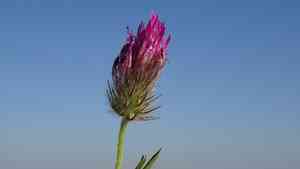
The most favorable period for relocating purple clover spans from the vigor of mid-spring through the concluding days of late spring. Select a brightly lit area that offers effective water runoff. Bear in mind, a delicate approach assists its settling into the fresh environment.
What Preparations are Needed Before Transplanting Purple Clover?
What is the Ideal Time for Transplanting Purple Clover?
The optimal period for relocating purple clover is during the peak of spring. This timeframe offers mild temperatures and sufficient rainfall, promoting robust root development. Moving purple clover in this season aligns with its natural growth cycle, ensuring a vibrant display throughout the summer.
How Much Space Should You Leave Between Purple Clover Plants?
To allow your purple clover ample room to thrive, aim for a separation of approximately 4-6 inches (10-15 cm) between each plant. This ensures your purple clovers have adequate space to grow without competing for nutrients and sunlight.
What is the Best Soil Mix for Purple Clover Transplanting?
Your purple clover will flourish in well-draining soil abundant in organic material. Prior to transplanting, incorporate a balanced, slow-release fertilizer to give your purple clover a healthy start. A soil pH between 6.0 and 7.0 is perfect for these charming annuals.
Where Should You Relocate Your Purple Clover?
Select a sunny location for your purple clover as they prefer full sunlight. Ensuring the site receives at least 6 hours of direct sun daily will contribute to the vigorous and healthy growth of your purple clover.
What Equipments Should You Prepare Before Transplantation Purple Clover?
Gardening Gloves
To safeguard your hands while handling soil and plants.
Trowel
For excavating small holes and managing the soil around purple clover.
Shovel or Spade
Crucial for extracting the root ball of purple clover from the ground.
Watering Can or Hose
To hydrate purple clover before and after the transplanting procedure.
Pruning Shears
For trimming any damaged roots or foliage.
Mulch
To aid in retaining soil moisture and regulating soil temperature around purple clover after transplant.
Measuring Tape
To gauge the distance between the transplanted specimens.
Wheelbarrow
To transport purple clover and soil to and from the new planting site.
How Do You Remove Purple Clover from the Soil?
How Do You Remove Purple Clover from the Soil?
From Ground: First, irrigate the purple clover plant to moisten the soil. Then, excavate a wide trench around the plant using a shovel or spade, ensuring the plant's root ball remains intact. Carefully work the spade beneath the root ball to lift the plant from its original spot.From Pot: Water purple clover to dampen the soil, which facilitates easier removal. Turn the pot on its side, grasp the plant at its base, and gently tap the bottom to slide the plant out with its root ball.From Seedling Tray: Water the tray to ensure the seedlings are not dry or stressed. Use a trowel or your fingers to carefully lift each purple clover plant by its leaves, not the stem, to prevent harm.
Step-by-Step Guide for Transplanting Purple Clover
Preparation
Gather all necessary tools and ensure they are clean to prevent disease transmission. Don gardening gloves for hand protection during the task.
Removal From Original Location
Follow the appropriate removal method from the 'removal_process' section depending on whether purple clover is in the ground, a pot, or a seedling tray.
Transplant Hole
Dig a hole in the ground that is twice the width of the root ball and of similar depth, allowing purple clover's roots to spread easily.
Placement
Position purple clover in the center of the hole, ensuring the top of the root ball is level with the soil surface. Backfill the hole with soil, gently firming it around the roots to eliminate air pockets.
Watering
Thoroughly water purple clover after planting to settle the soil and hydrate the roots.
Mulching
Apply a layer of mulch around purple clover to conserve moisture and suppress weeds, being careful to leave some space around the stem to prevent rot.
Observation
Monitor your newly transplanted purple clover for signs of stress, such as wilting or discolored leaves, and address any issues promptly.
How Do You Care For Purple Clover After Transplanting?
Watering
Maintain consistent moisture in the soil around purple clover, especially during the initial weeks post-transplant to aid in strong root establishment.
Mulching
Replenish the mulch layer if it becomes thin, to sustain soil temperature and moisture.
Observation
Regularly inspect purple clover for indications of transplant shock, which may include wilting, yellowing, and stunted growth.
Adjustments
If signs of stress are apparent, modify the care routine by evaluating water, mulch, and placement adjustments.
Support
Provide structural support such as stakes if purple clover grows tall or is exposed to strong winds.
Troubleshooting Common Issues with Purple Clover Transplantation.
When's the best time to transplant purple clover?
Choose mid to late spring, when the risk of frost lessens and the soil is warm.
How far apart should I space purple clover plants?
Allow them room to thrive by spacing them 4-6 inches (10-15 cm) apart.
What kind of light does purple clover need post-transplant?
Ensure purple clover receives full sun to partial shade for robust growth.
How deep should I plant purple clover's roots?
Bury purple clover's roots just beneath the surface, ensuring the crown is at soil level.
Can I transplant purple clover in summer or fall?
It's preferable to stick to spring, as purple clover establishes better in cooler temperatures.
What soil type is ideal for transplanting purple clover?
Utilize well-draining soil rich in organic matter for optimal purple clover transplant success.
How do I water purple clover after transplanting?
Water generously post-transplant, then provide regular moisture as purple clover settles in.
Should I fertilize purple clover after transplanting?
Wait a few weeks before applying a balanced fertilizer to encourage purple clover's growth.
What if purple clover's leaves wilt after transplant?
Wilting may occur; keep the soil moist and purple clover should recover over time.
Is mulching beneficial for purple clover post-transplant?
Absolutely. Mulch retains moisture and regulates soil temperature, aiding purple clover's establishment.



