How to Prune Purple clover?
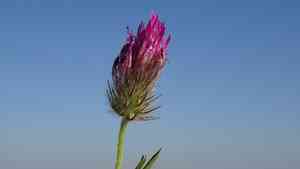
A perennial herbaceous plant recognized for its three-part leaves and vivid flowers, purple clover flourishes with consistent trimming to stimulate development and avert excessive density. Trimming ought to be performed gently, eliminating spent or withered blooms to foster additional flowering. The most suitable times for pruning extend from spring through autumn, coinciding with the plant's vigorous growth periods. For purple clover specifically, pruning sustains plant vitality and facilitates managed expansion within garden areas. Routine elimination of aged foliage can also discourage pests and illnesses.
What Are the Benefits of Pruning Purple Clover?
What Are the Benefits of Pruning Purple Clover?
Trimming purple clover promotes robust development by reallocating energy to fresh shoots and preserving its compact shape. This action is crucial for maintaining vitality and enhancing its decorative appeal.
What Is the Best Time for Pruning Purple Clover?
What Is the Best Time for Pruning Purple Clover?
Pruning in Spring is optimal for purple clover as it prepares the plant for vigorous growth during its active season. Removing dead or damaged foliage at this time fosters healthier, denser leaves and more abundant blooms. As purple clover enters its growth phase, early Summer trimming helps direct energy to desired areas, boosting flower production and maintaining the plant's form. Fall pruning is not advised, as it can stimulate new growth that may not survive winter temperatures. Aligning with the plant's life cycle and avoiding stress during dormant periods ensures peak health and flowering.
What Tools Do I Need to Prune Purple Clover?
Hand Pruners
Perfect for cutting the slender stems of purple clover, which typically don't require heavy-duty implements.
Gardening Shears
Effective for shaping and managing the spread of purple clover during routine trimming.
Garden Scissors
Useful for snipping off dead or faded purple clover flowers, promoting a neat appearance and potentially encouraging new blooms.
How to Prune Purple Clover
Disinfect
Before beginning the pruning process for purple clover, clean and sanitize your pruning tools to prevent disease transmission.
Identify
Examine purple clover to locate the withered leaves that need trimming. Look for leaves that are brown, dry, and appear lifeless.
Cut
Using sharp, disinfected shears, carefully cut the withered leaves at the base of their stem, as close to the main foliage line as possible without harming new growth.
Dispose
Remove and discard the withered leaves from the area around purple clover to prevent the spread of disease and pests, which are often drawn to decaying plant material.
Monitor
Observe purple clover after pruning for any signs of new withered leaves and repeat the process as needed to maintain the plant's health and aesthetic.
Common Pruning Mistakes with Purple Clover
Overpruning
Removing too much foliage, which can stress purple clover and potentially lead to reduced vigor or even death.
Incomplete Cuts
Leaving stubs or uneven cuts on purple clover can lead to disease and pest infestation.
Using Dull Tools
Pruning with dull blades can damage the stems of purple clover, causing tears that can invite disease.
Pruning Too Close
Cutting too near the main stem or node can damage purple clover's growth points and hinder future development.
Ignoring Plant Shape
Not considering the natural form of purple clover during pruning can result in an unnatural appearance and potentially inhibit flowering.
Common Pruning Tips for Purple Clover
Clean Tools
Always use sharp, clean pruning shears to make precise cuts that purple clover can quickly heal over.
Angled Cuts
Make angled cuts just above a leaf node to encourage purple clover's new growth and prevent water from collecting on the cut surface, which can lead to rot.
Selective Trimming
Focus on removing only dead or yellowing leaves to maintain purple clover's health and encourage blooming.
Thinning
Thin out crowded areas to improve air circulation for purple clover, which can reduce the likelihood of fungal diseases.
Shape Maintenance
Lightly trim purple clover to maintain its shape and encourage bushier growth, without drastically altering its natural form.



