
Purple clover (Trifolium purpureum)
Also known as: Purple Clover, Red Clover
Among the many types of clover, Subterranean Clover (Trifolium subterraneum) stands out for its introduction to Australian pastures. Originating from the Mediterranean region, this clover is highly valued for its ability to provide abundant green livestock feed during the spring and summer months, outperforming the native vegetation in productivity.
In This Article
Attributes of Purple clover
Lifespan
Annual
Plant Type
Herb
Plant Height
20 cm to 40 cm
Spread
10-30 cm
Leaf Color
Green
Flower Size
8 cm
Flower Color
Purple Red
Images of Purple clover
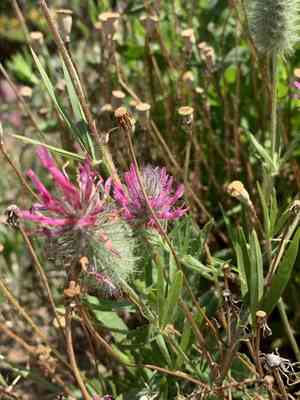
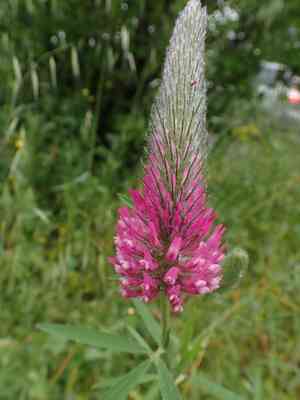
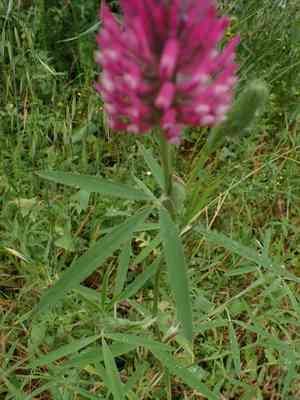
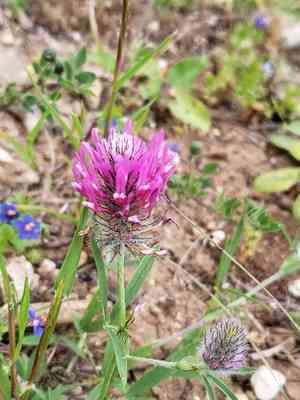
Quickly Identify Purple clover
1
Identifying Trifolium purpureum involves looking for trifoliate leaves, each with three leaflets, and its characteristic purplish-red flower heads that form in dense clusters. The plant typically grows low to the ground.
Scientific Classification of Purple clover
Phylum
Vascular plants
Class
Dicotyledons
Order
Fabales
Family
Legume
Genus
Clovers
Species
Purple clover
Planting and Growing of Purple clover
Care Difficulty
Easy
Watering Schedule
Every 4 days
Sunlight Requirements
Full sun
Sunshine Duration
6-10 hours
Ideal Temperature
60-77℉
Soil Type
Potting Mix, Peat Mix
Soil pH
6.5-7.5
Fertilizer Type
Balanced
Pruning Season
Spring, Summer
Pruning Area
Branches, Leaves
Pruning Frequency
2 times a year
Repotting Season
Spring
Pot Type
Terracotta, Plastic
 How to Water Purple clover?
For Trifolium purpureum, the watering should be sufficient to moisten the soil, not leaving it soggy. Aim for approximately 250 milliliters per session, making sure that the water penetrates the root zone evenly without pooling at the base of the plant. The key is to ensure the soil is moist, yet well-drained, facilitating healthy growth without risking root rot.
What are the symptoms of an underwatered Purple clover?
›
What should I do if my Purple clover is not getting enough water?
›
What are the symptoms of an overwatered Purple clover?
›
How to save an overwatered Purple clover?
›
 What Are the Sunlight Requirements for Purple clover?
Trifolium purpureum prefers full sun to partial sun. Ideal light ensures robust growth and vibrant blossoms. It supports efficient photosynthesis and resource allocation, improving structural integrity and aesthetic quality.
More About Sunlight Requirements Techniques→
How much sunlight does Trifolium purpureum need?
›
What are the challenges in providing ideal light?
›
Benefits of ideal lighting conditions for Trifolium purpureum
›
 What Is the Ideal Temperature Range for Purple clover?
The ideal temperature range for Trifolium purpureum is between 60°F and 77°F. This range ensures optimal growth conditions, allowing the plant to thrive by maintaining robust metabolic and physiological functions. Ensuring temperatures remain within this range promotes healthy foliage, flowering processes, and overall plant vigor.
 What Soil is Best for Purple clover?
Trifolium purpureum thrives in well-draining soil, which prevents root rot by allowing excess water to escape. This type of soil ensures that the roots receive adequate oxygen, promoting healthy plant growth. While good drainage is critical, Trifolium purpureum also prefers soil that can retain moderate moisture levels. Consistent moisture supports the uptake of nutrients from the soil, fostering robust growth and vibrant foliage. A nutrient-rich soil provides Trifolium purpureum with essential minerals. Amending the soil with organic matter or a balanced fertilizer boosts plant health, ensuring lush and vigorous development.
 How to Fertilize Purple clover?
For Trifolium purpureum, it is essential to use a balanced fertilizer with an N-P-K ratio of 10-10-10. Apply liquid fertilizer at a rate of 0.5 to 1.0 ounces per gallon of water to avoid over-fertilization and harm to the plant. Ensure that the plants are not waterlogged post-application for optimal absorption.
 How to Prune Purple clover?
Start by sterilizing your garden shears to prevent the spread of pathogens. Then, focus on cutting back any dead or damaged stems to about a third of their length. Look for branches that are crossing or growing inward and trim them to improve air circulation. It's important to prune above a leaf node to promote healthy growth. Always make sure your cuts are clean and angled slightly away from the bud.
More About Pruning Techniques→
 How to Propagate Purple clover plant?
1
Fill seed trays with a well-drained potting soil mix. Ensure the soil is moist but not waterlogged to encourage optimal seed germination.
2
Scatter Trifolium purpureum seeds evenly over the soil surface in the seed trays. Lightly cover them with a thin layer of soil and gently water.
3
Place the seed trays in a warm, bright location. Maintain soil moisture by misting regularly but avoid overwatering, which can lead to seed rot.
 How to Repot Purple clover plant?
1
The Trifolium purpureum signals its need for repotting when its roots begin to circle the pot or grow out of the drainage holes. Another indicator is if the growth becomes stunted despite regular care. Repotting is best done in spring to give the plant time to stabilize as it awakens from dormancy and enters its active growth phase.
2
Select a pot that is just one to two inches larger in diameter than the current one. The optimal choice is a pot with multiple drainage holes to prevent water accumulation. Such pots ensure proper root aeration and drainage, crucial for avoiding root rot and maintaining plant health.
3
Use well-drained loamy soil as the ideal medium for Trifolium purpureum to thrive. This soil type offers exceptional nutrient retention while ensuring excess moisture escapes quickly, preventing root diseases. The balanced mix of organic matter aids in sustained plant nourishment.



