Enhancing Your Garden Design with the Purple clover Plant: A Landscaping Guide
1
Purple clover is a adaptable plant providing both visual appeal and environmental advantages.
2
Careful foresight and upkeep will guarantee Purple clover flourishes in your outdoor space.
3
Adding Purple clover can enhance ecological diversity and improve ground quality.
An Introduction to Purple Clover in Garden Design
Characteristics of Purple Clover
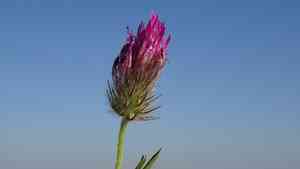
Purple clover is a low-growing plant recognized for its vivid color and delicate blooms, making it a lovely addition to any garden. It's resilient and can flourish in diverse climates. Its clover-like leaves add a distinct texture to landscapes, and its flowers attract pollinators like bees and butterflies.
Purple Clover's Role in the Ecosystem
Purple clover plays a vital role in the ecosystem by fixing nitrogen in the soil, which boosts soil fertility and lessens the need for chemical fertilizers. This makes it an environmentally friendly option for gardeners aiming for sustainable landscapes. Additionally, Purple clover offers a habitat and food source for beneficial insects and wildlife.
Aesthetic Advantages of Using Purple Clover
The visual appeal of Purple clover is undeniable. Its rich hue and lush foliage can create stunning ground cover, filling in spaces between other plants and adding depth to garden beds. The plant's blossoms provide beautiful splashes of color that can break up monotonous green areas and offer a visually captivating garden experience.
Designing Your Garden with Purple Clover
Selecting the Optimal Location for Purple Clover
When planting Purple clover, choosing the ideal spot is crucial for its growth and integration into your landscape. Purple clover prefers sunny to partly shaded areas with well-drained soil. Avoid overly wet locations that can lead to root rot. It's also wise to consider the plant's spread to ensure it doesn't overcrowd other plants.
Companion Plants for Purple Clover
Purple clover can be paired with various companion plants to enhance its aesthetic and ecological benefits. Consider combining it with ornamental grasses, wildflowers, or other nitrogen-fixing plants. These pairings can create a balanced and vibrant garden ecosystem, fostering biodiversity and naturally reducing pest issues.
Design Aesthetics and Color Harmony
Integrating Purple clover into your garden design requires careful color coordination. Its vibrant foliage and flowers can complement various color schemes, whether you're aiming for a monochromatic look or a more eclectic garden. Use Purple clover to create contrasting patches of color or blend it with plants of similar shades for a harmonious and appealing garden aesthetic.
Care Guidelines for Purple Clover in Landscapes
Basic Upkeep for Longevity
Maintaining Purple clover involves consistent care to ensure its long life. This includes watering it sufficiently, especially during dry spells, and pruning it to prevent excessive spreading. Mulching around Purple clover can help retain moisture and suppress weeds. Additionally, providing occasional organic fertilizer can support its growth and vibrancy.
Seasonal Considerations for Purple Clover
Each season brings different care requirements for Purple clover. In spring, it's essential to check for new growth and prune dead or damaged parts. During the summer, ensure the plant is well-watered. Fall is the perfect time to enrich the soil and prepare Purple clover for winter dormancy. In winter, protecting Purple clover from frost and cold snaps is crucial for its survival.
Addressing Common Challenges
While Purple clover is relatively low-maintenance, it can encounter challenges such as pests and diseases. Common issues include aphids, mildew, and root rot. Regularly inspecting your plants and maintaining good garden hygiene can prevent these problems. If infestations or diseases occur, consider using natural remedies or organic pesticides to address them.
Harnessing Purple Clover for Environmental Benefits
Contributing to Biodiversity
By planting Purple clover in your garden, you contribute to local biodiversity. It attracts various pollinators like bees and butterflies, supporting their populations. Moreover, Purple clover provides habitat and foraging opportunities for beneficial insects, small mammals, and birds, creating a thriving and balanced ecosystem.
Utilizing Purple Clover for Soil Health Improvement
Purple clover is excellent for enhancing soil health due to its nitrogen-fixing capabilities. This means it can capture nitrogen from the air and convert it into a form that plants can use, reducing the need for synthetic fertilizers. Over time, this process can improve soil structure, fertility, and overall garden productivity.
Water Conservation Through Purple Clover
Incorporating Purple clover into your landscape design can contribute to water conservation efforts. Its deep root system helps improve soil permeability, reducing runoff and promoting water infiltration. This means more rainwater gets absorbed into the ground, decreasing the need for additional watering and promoting a more sustainable garden environment.



