How to Transplant Mountain carpet clover?
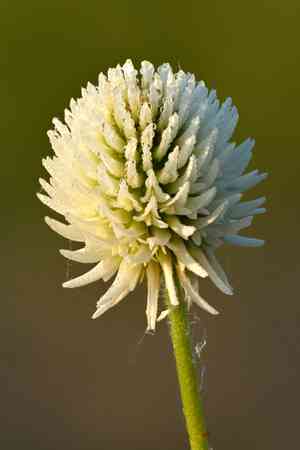
Relocate mountain carpet clover during the revitalization of spring or as autumn's coolness diminishes, guaranteeing temperate conditions assist root development. Select a bright location featuring soil that drains effectively. When moving mountain carpet clover, disturbing the roots as little as possible encourages rapid recuperation.
What Preparations are Needed Before Transplanting Mountain Carpet Clover?
What is the Ideal Time for Transplanting Mountain Carpet Clover?
Choose the revitalization period of early to mid-spring for relocating mountain carpet clover. This timing capitalizes on the natural growth surge, ensuring optimal root establishment and recuperation. Embracing this season's mild weather conditions promises a smooth transition for mountain carpet clover, fostering robust growth and blooming potential. Trust this nurturing window to invigorate mountain carpet clover, your garden's green treasure.
How Much Space Should You Leave Between Mountain Carpet Clover Plants?
Hello there, gardening enthusiast! When giving mountain carpet clover a new home, aim to provide them with adequate personal space – roughly 6-8 inches (15-20 cm) apart. This will ensure they have ample room to expand their roots and flourish without competing with nearby plants.
What is the Best Soil Mix for Mountain Carpet Clover Transplanting?
For mountain carpet clover, they thrive in well-drained soil rich in organic matter. Prior to transplanting, incorporate some compost or aged manure to provide them with a nutrient-rich start. A balanced, slow-release fertilizer will also aid in their successful establishment.
Where Should You Relocate Your Mountain Carpet Clover?
Your mountain carpet clover will flourish in a location that receives full sun to partial shade. Select a sunny spot with some afternoon shade if feasible. This ensures they receive the light they desire without excessive heat during the warmest part of the day.
What Equipments Should You Prepare Before Transplantation Mountain Carpet Clover?
Gardening Gloves
To safeguard your hands while handling soil and plants.
Spade or Shovel
For excavating and lifting the mountain carpet clover from the ground or a container.
Hand Trowel
For smaller or more precise digging tasks.
Watering Can
To hydrate the mountain carpet clover before and after relocation.
Pruners
For trimming any dead or damaged roots or foliage.
Garden Fork
To loosen the soil and assist in lifting the plant without harming its roots.
Garden Hose with Spray Nozzle
For gentle irrigation when establishing the mountain carpet clover in its new site.
Mulch
To help regulate soil temperature and moisture after transplanting.
How Do You Remove Mountain Carpet Clover from the Soil?
How Do You Remove Mountain Carpet Clover from the Soil?
From Ground: First, water the mountain carpet clover to moisten the soil. This facilitates digging and minimizes plant stress. Carefully dig a circle around the mountain carpet clover with a spade or shovel, allowing ample space for the root system. Slide the tool beneath the root ball and gently lift, shaking off excess soil while preserving as many roots as possible.From Pot: Water the mountain carpet clover in its container to ensure the root ball is damp and intact. Tilt the pot sideways and gently tap to dislodge the mountain carpet clover from the edges. Grasp the plant's base, and with a gentle pull, slide it out while supporting the root ball with your other hand.From Seedling Tray: Water the seedlings so the soil is moist, making removal easier. Use a hand trowel or similar tool to gently lift the mountain carpet clover from the tray. Be careful not to harm the delicate roots and support the soil around the root ball as you lift.
Step-by-Step Guide for Transplanting Mountain Carpet Clover
Preparation
Examine the mountain carpet clover for any indications of pests or diseases, and snip off any dead or damaged foliage and roots with pruners. This will help the mountain carpet clover direct its energy towards re-establishing in the new location.
Digging Hole
Using your hand trowel or spade, excavate a hole in the ground that is twice as wide as the root ball and of the same depth. This space allows the roots to spread out without being constricted.
Placement
Position the mountain carpet clover in the hole so that the top of the root ball is level with the surrounding soil surface. Ensure it's standing upright and adjust as needed before backfilling.
Backfilling
Carefully refill the hole with soil around the root ball of mountain carpet clover, gently compacting to eliminate air pockets. Continue until the hole is filled and the soil is level.
Watering
Thoroughly water the mountain carpet clover at its base immediately after planting to settle the soil around the roots and help alleviate transplant shock.
Mulching
Apply a layer of mulch around the base of the mountain carpet clover, being careful not to let the mulch touch the stem or foliage. This will help the soil retain moisture and suppress weeds.
How Do You Care For Mountain Carpet Clover After Transplanting?
Monitoring
Keep a close watch on the mountain carpet clover for signs of stress such as wilting or leaf discoloration. Some initial stress is normal, but persistent symptoms may require adjustments.
Watering
Provide the mountain carpet clover with water whenever the soil feels dry to the touch. Excessive watering can lead to root rot, so allow the soil to dry slightly between waterings.
Mulching
Inspect the mulch to ensure it remains in place and add more if necessary to maintain a consistent layer around the mountain carpet clover.
Pruning
Trim back any new growth that appears sparse or weak to encourage more robust development in the mountain carpet clover.
Supportive Interaction
Regularly engage with your mountain carpet clover, removing any emerging weeds and providing support stakes if needed as it grows.
Seasonal Adjustments
As the seasons change, modify care as required, especially the watering routine to account for increased rainfall or drought conditions.
Troubleshooting Common Issues with Mountain Carpet Clover Transplantation.
What's the best time to transplant mountain carpet clover?
Optimal transplanting is best done as the frost recedes, typically early to late spring.
How far apart should mountain carpet clover be spaced when transplanting?
Aim for a spacing of 6-8 inches (15-20 cm) to allow ample room for growth.
What should I do if mountain carpet clover wilts after transplanting?
Ensure it's well-watered without over-saturating. A steady watering schedule helps mountain carpet clover recover from transplant shock.
Why is mountain carpet clover not thriving after transplant?
Check if the soil is well-draining and if mountain carpet clover receives enough sunlight. Amend soil or positioning if necessary.
How deep should I plant mountain carpet clover when transplanting?
Plant at the same depth it was grown at before. Too deep or shallow can harm the plant.
What signs of root damage should I look for when transplanting mountain carpet clover?
Look for broken or mushy roots. Healthy roots are firm and should be handled with care.
How do I know if mountain carpet clover has enough soil nutrients post-transplant?
Observe plant vigor and foliage color. If growth is slow or foliage pale, consider a balanced fertilizer.
Can I transplant mountain carpet clover during hot summer months?
It's best to avoid summer; early to late spring provides conditions that support recovery and growth.
Should I prune mountain carpet clover during transplanting?
Only prune dead or damaged parts to minimize stress and encourage healthy new growth.
How do I protect transplanted mountain carpet clover from pests?
Keep an eye out for pests and treat early with appropriate methods. Healthy transplants are less pest-prone.



