How to Propagate Mountain carpet clover?
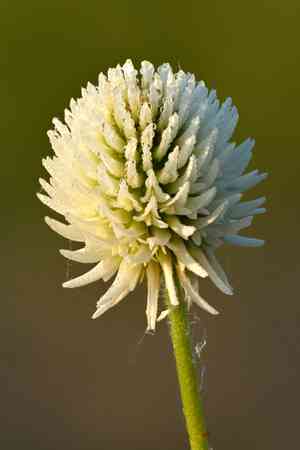
Mountain carpet clover is a perennial plant that flourishes in adequately drained ground with abundant light. Its reproduction is primarily accomplished by seeding, a simple method where seeds ought to be lightly covered with earth to guarantee proper sprouting. Diligence is necessary to sustain steady hydration without excessive watering, as mountain carpet clover needs equilibrium for peak development. Supplying a consistent growing setting with little disruption will improve successful rooting.
Optimal Time for Mountain Carpet Clover Propagation
Propagation Method
Sowing
Propagation Period
Spring
Tools for Mountain Carpet Clover Propagation
Seed trays
Seed trays are crucial for the initial planting of mountain carpet clover seeds. They offer an organized area for even seed distribution and germination monitoring. These trays ensure consistent moisture and light exposure, vital for successful mountain carpet clover germination.
Fine-grade vermiculite or perlite
Fine-grade vermiculite or perlite serves as a soil amendment to enhance drainage and aeration in the seed starting mix. This helps prevent waterlogging and root rot, common issues during mountain carpet clover germination.
Misting bottle
A misting bottle is used to gently irrigate mountain carpet clover seeds without dislodging them. Misting helps maintain consistent soil moisture, which is essential for mountain carpet clover germination.
Transparent cover (humidity dome)
A transparent cover or humidity dome fits over seed trays to maintain high humidity and a stable temperature. This environment is ideal for mountain carpet clover germination, as it mimics the moist conditions of its natural habitat.
How to Propagate Mountain Carpet Clover?
Propagation Type
Easy
Caring for Newly Propagated Mountain Carpet Clover
Caring for Newly Propagated Mountain Carpet Clover
After propagation, continue to water mountain carpet clover regularly, especially during extended dry periods. Mountain carpet clover thrives in cooler temperatures and generally doesn't need extra fertilization after the initial compost application. Regularly check for pests like aphids and treat organically if necessary. Trimming foliage after blooming encourages a second flush of flowers and maintains a compact form.
Common Propagation Mistakes to Avoid with Mountain Carpet Clover
Overwatering
Excessive watering of mountain carpet clover can lead to root rot and fungal diseases, as this species prefers well-drained soil and is sensitive to too much moisture.
Poor soil choice
Using an unsuitable soil mix can hinder root development. Mountain carpet clover requires soil that is rich in organic matter but also drains well.
Overcrowding
Planting mountain carpet clover seeds or starts too close together can result in competition for resources and poor air circulation, leading to weaker plants and potential disease spread.
Tips For Propagating Mountain Carpet Clover
Soil preparation
Ensure the soil is well-aerated and drains effectively to support mountain carpet clover root growth. Incorporating organic matter can improve soil quality.
Scarification
Mountain carpet clover seeds may need scarification to break dormancy and encourage germination. Gentle abrasion or soaking in water can be beneficial.
Gentle handling
When dividing mountain carpet clover, be careful to avoid damaging the roots, which can impede the plant's ability to establish in a new location.



