The Mountain carpet clover Plant Advantage: Maximizing Home and Office Appeal and Wellness
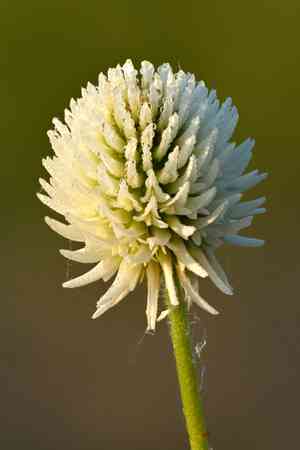
1
Mountain carpet clover offers essential nourishment to pollinator species.
2
The plant assists in firming up soil and preventing its loss.
3
It furnishes a dwelling place for numerous helpful microbes.
How Does Mountain carpet clover Benefit Pollinators?
Supporting Pollinator Health
A key advantage of Mountain carpet clover is its capacity to aid pollinators. Bees, butterflies, and other insects depend on the nectar and pollen from Mountain carpet clover for sustenance. This plant blooms abundantly, offering a steady food source throughout its flowering period. By cultivating Mountain carpet clover in gardens or natural areas, we support the well-being and endurance of these crucial pollinators.
Biodiversity and Ecosystem Services
The existence of Mountain carpet clover within an ecosystem promotes biological diversity. Higher levels of biodiversity improve ecosystem functions such as pollination, pest control, and nutrient cycling. Furthermore, Mountain carpet clover draws in various pollinators, which in turn supports the vitality of other plants nearby by facilitating cross-pollination.
What Role Does Mountain carpet clover Play in Soil Health?
Soil Stabilization
Mountain carpet clover is crucial for soil stabilization, making it a valuable plant for preventing erosion. Its root system helps bind the soil, reducing the risk of landslides and soil degradation. This is especially advantageous in sloped or hilly regions where soil erosion is a significant concern.
Nitrogen Fixation
Another remarkable characteristic of Mountain carpet clover is its capacity to fix atmospheric nitrogen. Nitrogen-fixing plants convert atmospheric nitrogen into a form usable by plants for growth. This process enriches the soil with vital nutrients, lessening the need for chemical fertilizers and fostering sustainable agricultural methods.
How Does Mountain carpet clover Support Microbial Life?
Habitat for Microorganisms
The presence of Mountain carpet clover in the soil cultivates an environment for beneficial microorganisms. These microbes play a vital role in breaking down organic matter, cycling nutrients, and promoting plant vigor. The symbiotic relationship between Mountain carpet clover and these microorganisms enhances soil bio-fertility and overall plant development.
Improving Soil Structure
Microorganisms linked with Mountain carpet clover also contribute to enhancing soil structure. Good soil structure improves water penetration, root growth, and air circulation. This results in healthier plant development and increased resilience against dry conditions.
Can Mountain carpet clover Be Incorporated Into Sustainable Landscaping?
Low Maintenance Landscapes
Mountain carpet clover is an excellent choice for sustainable landscaping due to its minimal upkeep requirements. It is a resilient plant that can thrive in diverse soil conditions with little care. This makes it a perfect addition to xeriscapes (landscapes designed to reduce or eliminate the need for irrigation) and other water-efficient gardens.
Enhancing Aesthetic Appeal
Beyond its ecological advantages, Mountain carpet clover boosts the visual appeal of gardens and natural settings. Its vibrant green foliage and charming blossoms create a carpet-like effect that can transform any area. This makes it a popular option for ground cover and decorative gardening.
Is Mountain carpet clover Practical for Agricultural Use?
Cover Cropping
Mountain carpet clover is frequently utilized as a cover crop in farming environments. Cover crops are planted to manage soil erosion, enhance soil health, and suppress weeds. The robust root system of Mountain carpet clover helps prevent soil compaction and increases soil organic matter, which is essential for healthy crop production.
Intercropping and Rotational Planting
Farmers can also integrate Mountain carpet clover into intercropping and rotational planting systems. By planting Mountain carpet clover alongside or in rotation with other crops, farmers can benefit from its nitrogen-fixing properties and its ability to deter harmful pests. This leads to healthier crops and more sustainable farming practices.



