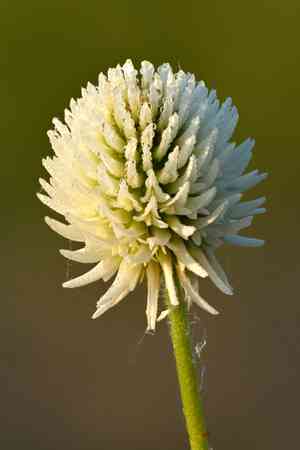
Mountain carpet clover (Trifolium montanum)
Also known as: Mountain Clover
Alpine clover (Trifolium alpinum) thrives at high elevations and is well-known for its easily accessible nectar. This perennial herb blooms in early summer and is particularly attractive to various pollinators due to its open flower structure. Historically, it has also been utilized as a forage crop.
In This Article
Attributes of Mountain carpet clover
Lifespan
Perennial
Plant Type
Herb
Plant Height
20 cm to 50 cm
Spread
Approximately 20-30 cm
Leaf Color
Dark green
Flower Size
7 mm to 9 mm
Flower Color
White
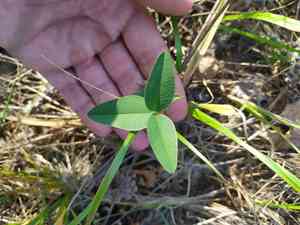
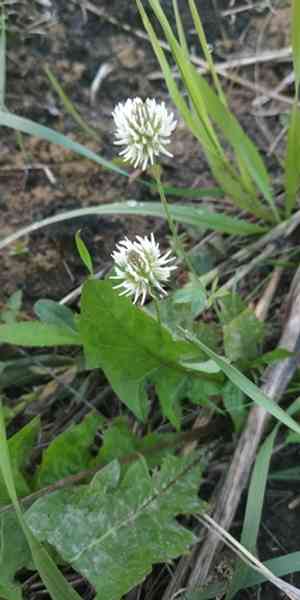
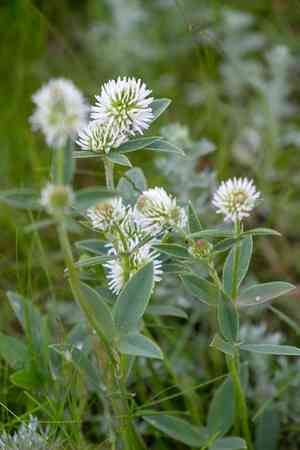
Images of Mountain carpet clover
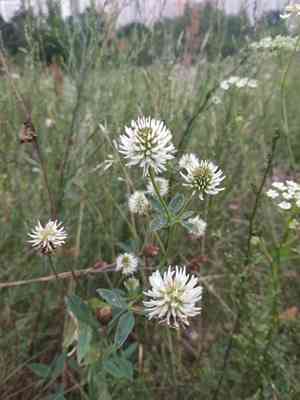
Quickly Identify Mountain carpet clover
1
Identify Trifolium montanum by its trifoliate leaves, which are dark green and covered with fine hairs. The plant has clusters of white or cream-colored flowers that bloom from late spring to early summer.
Scientific Classification of Mountain carpet clover
Phylum
Vascular plants
Class
Dicotyledons
Order
Fabales
Family
Legume
Genus
Clovers
Species
Mountain carpet clover
Planting and Growing of Mountain carpet clover
Care Difficulty
Easy
Watering Schedule
Every 2 days
Sunlight Requirements
Full sun
Sunshine Duration
6-10 hours
Ideal Temperature
60-75℉
Soil Type
Potting Mix, Peat Mix
Soil pH
6.5-7.5
Fertilizer Type
Balanced
Pruning Season
Spring, Summer
Pruning Area
Branches, Leaves
Pruning Frequency
2 times a year
Repotting Season
Spring
Pot Type
Plastic, Ceramic
 How to Water Mountain carpet clover?
For Trifolium montanum, each watering session should ideally provide around 500 ml. The key is to allow the water to seep into the soil thoroughly so that the roots can adequately absorb moisture. Ensure that water drains out well, preventing the roots from being waterlogged.
What are the symptoms of an underwatered Mountain carpet clover?
›
What should I do if my Mountain carpet clover is not getting enough water?
›
What are the symptoms of an overwatered Mountain carpet clover?
›
How to save an overwatered Mountain carpet clover?
›
 What Are the Sunlight Requirements for Mountain carpet clover?
Trifolium montanum prefers to bask in full sun for the majority of the day, ideally receiving 5 to 7 hours of light. Adequate lighting boosts its photosynthetic efficiency, promoting robust growth and prolific flowering.
More About Sunlight Requirements Techniques→
Why is Trifolium montanum's light preference important?
›
How to achieve ideal light conditions for Trifolium montanum?
›
What are the benefits of providing suitable light conditions for Trifolium montanum?
›
 What Is the Ideal Temperature Range for Mountain carpet clover?
Trifolium montanum thrives best in a controlled temperature range between 60°F and 75°F. Within this range, the plant's metabolic and photosynthesis processes occur optimally, promoting healthy growth and blooming. Maintaining temperatures in this range ensures that the plant's cellular functions are not stressed, leading to greater vitality and resistance to diseases.
 What Soil is Best for Mountain carpet clover?
Trifolium montanum thrives in well-drained soils that prevent water stagnation and root rot. This requirement allows the plant to absorb nutrients efficiently, promoting healthy growth and vibrant foliage. The plant prefers soils with moderate fertility. This encourages optimal growth without excessive vegetative development, ensuring balanced nutrient availability for robust flowering and seed production. Tending slightly towards the alkaline side, the plant flourishes in soils with a pH closer to its natural calcareous habitats, facilitating nutrient uptake and maintaining overall plant health.
 How to Fertilize Mountain carpet clover?
Trifolium montanum benefits from a balanced application of fertilizer to ensure healthy growth. An ideal amount would be to mix 1/4 tablespoon of a balanced 10-10-10 liquid fertilizer per gallon of water for liquid applications, or similarly balanced slow-release pellets applied as needed.
 How to Prune Mountain carpet clover?
Start by identifying any dead, damaged, or diseased stems in Trifolium montanum. These parts should be the first to go. Use clean, sharp pruning shears to make clean cuts to avoid any tearing or crushing, which can lead to disease. Next, target the longer, leggier stems that disrupt the plant's natural mound-like shape. Trim these back to encourage the plant to grow thicker and fuller. Remember to cut just above a healthy leaf node, which will prompt new growth from that point. It’s also beneficial to occasionally thin out some inner branches to ensure better air circulation.
More About Pruning Techniques→
 How to Propagate Mountain carpet clover plant?
1
Prepare seeds by soaking them in water for 24 hours. This helps in softening the seed coat, encouraging faster germination, and increasing the growth success rate.
2
Select healthy plants for taking root cuttings. Use a clean and sharp tool to make precise cuts, ensuring that several healthy roots are attached to the cuttings.
3
Divide mature plants during early spring or early summer. Carefully separate the root ball into sections and replant immediately for optimal growth and minimal stress.
 How to Repot Mountain carpet clover plant?
1
Trifolium montanum signals its need for repotting when you notice roots growing out of the drainage holes or if water takes too long to drain. These signs indicate that the plant has outgrown its pot, requiring more space to thrive, ideally during the growth-friendly Spring or Autumn seasons.
2
Select a pot that is one size larger than the current one, with sufficient drainage holes. An appropriately sized pot prevents over-watering and root rot, while providing enough space for new root growth, promoting a healthy plant development.
3
Opt for a well-draining loamy soil, which supports adequate aeration and prevents waterlogging. This type of soil mimics the plant’s natural habitat, ensuring roots remain healthy and the plant receives the right balance of nutrients and moisture.



