Enhancing Your Garden Design with the Mountain carpet clover Plant: A Landscaping Guide
1
Mountain carpet clover flourishes best in sunny spots and soil that drains effectively.
2
Mountain carpet clover pairs well with numerous other plants, forming varied and attractive garden designs.
3
Minimal yet essential upkeep ensures Mountain carpet clover remains vibrant and aesthetically pleasing.
Introducing Mountain Carpet Clover for Landscape Use
Understanding Mountain Carpet Clover's Unique Traits
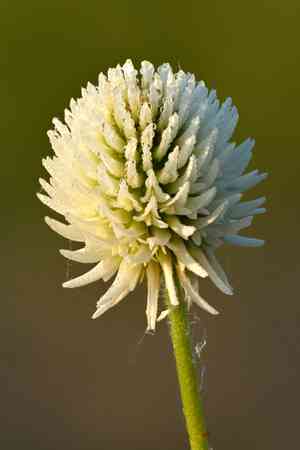
Before incorporating Mountain carpet clover into your outdoor space, it's crucial to grasp its distinct characteristics. Renowned for its resilience and adaptability to diverse soil types, this plant is perfect for those desiring a low-maintenance garden addition. Its tiny, white blossoms lend a subtle elegance, and its spreading habit aids in preventing soil erosion. Recognizing these qualities will help you position it effectively within your design.
The Visual Impact of Mountain Carpet Clover in Various Designs
Visually, Mountain carpet clover can transform a garden by offering a rich green groundcover that beautifully contrasts with more vibrant flowering plants. It excels in rockeries, borders, and as a groundcover around larger flora and trees. Its understated flowers provide a quiet sophistication, making it a flexible option for both formal and informal garden styles. The consistent green backdrop it creates can make other garden elements, such as stone pathways and water features, stand out more prominently.
Selecting the Optimal Location for Mountain Carpet Clover
Ideal Planting Spots for Mountain Carpet Clover in Your Garden
Mountain carpet clover thrives in sunny areas with good drainage. It's perfect for spots receiving direct sunlight for most of the day, though it can tolerate some partial shade. Slopes and hillsides, where soil erosion is a concern, greatly benefit from its ground-covering properties. Additionally, it flourishes in rock gardens, along path edges, and at the base of shrubs and trees. Its adaptability makes it suitable for a wide range of garden aesthetics, from naturalistic to more structured layouts.
Combining Mountain Carpet Clover with Other Plants
Pairing Mountain carpet clover with other plants can result in a vibrant and visually pleasing landscape. It complements taller perennials and shrubs well, providing a contrasting base that highlights their form and color. Consider integrating it with blooming plants like lavender or salvia for a striking display. Furthermore, Mountain carpet clover can fill gaps between larger plants, contributing to a unified and lush appearance. When planning combinations, it's essential to consider the water and light needs of all plants to ensure their collective success.
Advantages of Incorporating Mountain Carpet Clover in Landscapes
Environmental Benefits of Using Mountain Carpet Clover
Integrating Mountain carpet clover into your landscape isn't solely about aestheticsâit offers several ecological advantages too. Its dense growth pattern helps prevent soil erosion, making it an excellent choice for areas prone to runoff. Moreover, it enhances soil health by fixing nitrogen, enriching the soil for other plants. This low-maintenance plant also requires less water once established, making it a sustainable option that conserves resources while supporting the local ecosystem.
Aesthetic Value and Seasonal Considerations
Mountain carpet clover offers year-round visual appeal, though its primary blooming season is late spring to early summer. The small white blossoms add a delicate charm without being overwhelming. Throughout the growing season, its lush green foliage maintains its beauty, ensuring your landscape remains attractive even when other plants aren't in bloom. The plant's ability to retain its vibrancy across various seasons adds continuity and consistency to your garden's visual presentation.
Maintaining Mountain Carpet Clover in Your Landscaping
Basic Care Guidelines for Mountain Carpet Clover
Maintaining Mountain carpet clover in your landscape is relatively simple. Ensure the soil remains well-drained and avoid over-watering, as it prefers drier conditions. Occasional trimming can help preserve its shape and prevent it from spreading excessively. Fertilization is typically unnecessary due to its nitrogen-fixing ability, but if needed, a light application of a balanced fertilizer in early spring can support new growth. Regularly removing any dead or damaged foliage will also help keep it looking its best.
Addressing Common Issues with Mountain Carpet Clover
While Mountain carpet clover is generally robust, it can encounter common problems like pests and diseases. Watch for signs of aphids or fungal infections and treat them promptly using appropriate organic or chemical solutions. Ensuring good air circulation around the plant can help prevent fungal issues. Another challenge might be its tendency to spread in some environments, so regular monitoring and trimming can help manage its growth. By staying vigilant, you can maintain a healthy and attractive Mountain carpet clover in your garden.



