How to Transplant Small-head clover?
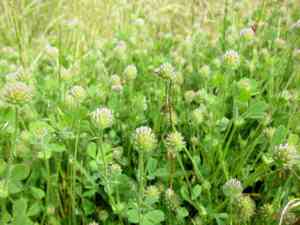
For Trifolium dubium, relocation is most effectively carried out from early to mid-spring, owing to favorable cultivation circumstances. Select a bright spot with soil that drains efficiently to guarantee robust development. Bear in mind, keeping disruption to a minimum is crucial for successful re-establishment.
What Preparations are Needed Before Transplanting Small-head Clover?
What is the Ideal Time for Transplanting Small-head Clover?
Small-head clover, an annual, is best transplanted in early to mid-spring. This timing ensures the soil is warm enough for root establishment and robust growth. Transplanting then allows small-head clover to fully utilize the growing season, leading to healthier plants and better yields.
How Much Space Should You Leave Between Small-head Clover Plants?
When relocating small-head clover, ensure each plant is spaced approximately 6-12 inches (15-30 cm) apart. This provides ample room for development and prevents overcrowding.
What is the Best Soil Mix for Small-head Clover Transplanting?
For small-head clover, select a soil that drains well to prevent water accumulation. Enhance the base with a thin layer of compost or general garden fertilizer for a nutritional boost.
Where Should You Relocate Your Small-head Clover?
Position small-head clover in a sunny location where it receives at least 6 hours of direct sunlight daily. They flourish best with full sun exposure.
What Equipments Should You Prepare Before Transplantation Small-head Clover?
Gardening Gloves
To safeguard your hands while handling soil and plants.
Trowel
For excavating holes and lifting plants from containers or trays.
Shovel or Spade
For digging a furrow if the plant is being extracted from the ground.
Watering Can
To hydrate the plant and maintain soil moisture.
Bucket
To temporarily hold the plant if necessary.
Mulch
To aid in moisture retention and inhibit weed growth around the newly transplanted specimen.
How Do You Remove Small-head Clover from the Soil?
How Do You Remove Small-head Clover from the Soil?
From Ground: First, moisten the small-head clover plant to soften the soil. Then, excavate a wide trench around the plant using a shovel or spade, ensuring the plant's root ball remains intact. Carefully work the spade beneath the root ball to lift the plant from its original spot.From Pot: Hydrate the small-head clover plant to facilitate soil manipulation. Gently invert the pot, supporting the plant with your hand. Tap the pot's base to loosen the soil and slide the plant out, keeping the root ball undisturbed.From Seedling Tray: Water the seedling tray to ensure the soil is damp. Use a trowel to carefully lift the small-head clover plant by scooping under the seedling. Be cautious to retain as much soil around the roots as possible to prevent damage.
Step-by-Step Guide for Transplanting Small-head Clover
Site Preparation
Prepare the new planting location by digging a hole that is twice as wide and the same depth as the plant's root ball. This provides ample space for root establishment.
Plant Placement
Position the small-head clover plant in the center of the hole, ensuring it sits at the same depth as it did previously. The top of the root ball should be level with the surrounding ground.
Backfilling
Refill the hole with soil, gently pressing down to eliminate air pockets and secure the plant. Water the plant immediately after transplanting to help settle the soil.
Mulching
Apply a layer of mulch around the base of the small-head clover plant to help retain moisture and suppress weed growth. Be sure to leave some space around the stem to prevent rot.
How Do You Care For Small-head Clover After Transplanting?
Watering
Keep the soil around the small-head clover consistently moist, but not waterlogged, for the initial weeks post-transplant to encourage strong root development.
Monitoring
Observe the small-head clover plant for indications of stress like wilting or yellowing leaves. Promptly address any issues by adjusting watering or providing temporary shade if necessary.
Weeding
Regularly inspect for and remove weeds around the small-head clover plant to reduce competition for nutrients and water.
Feeding
After a few weeks, you may consider nourishing the small-head clover plant with a balanced, slow-release fertilizer to support its growth and development.
Troubleshooting Common Issues with Small-head Clover Transplantation.
When is the best time to transplant small-head clover?
Relocate small-head clover in early to mid-spring for optimal growth and establishment.
How far apart should small-head clover be spaced?
Space small-head clover approximately 6-12 inches (15-30 cm) apart for proper development and air circulation.
How deep should I plant small-head clover?
Plant small-head clover at the identical depth it was growing in its prior container.
What type of soil is best for transplanting small-head clover?
Utilize well-draining soil enriched with organic matter to help small-head clover thrive after relocation.
Should I water small-head clover immediately after transplanting?
Yes, thoroughly water small-head clover right after transplanting to help settle the soil around its roots.
How can I protect small-head clover from transplant shock?
Water adequately, provide shade, and avoid disturbing roots to minimize transplant shock.
What should I do if small-head clover wilts after transplanting?
Ensure sufficient watering and consider temporary shading to help small-head clover recover from wilting.
Can small-head clover be transplanted in hot weather?
It's advisable to avoid transplanting small-head clover in hot weather; aim for early to mid-spring instead.
How often should I water small-head clover after transplanting?
Water small-head clover regularly, keeping the soil consistently moist but not saturated after transplanting.
Should I fertilize small-head clover after transplanting?
Wait a few weeks before fertilizing small-head clover to allow it to establish its root system first.



