How to Prune Small-head clover?
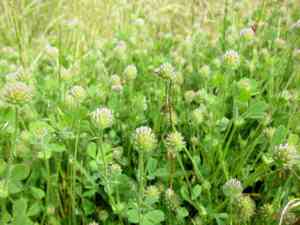
A diminutive perennial, small-head clover is recognized for its dense leaf clusters and tiny flower heads. Efficient pruning entails snipping off spent blossoms and lifeless leaves, ideally performed in spring, summer, or autumn to stimulate fresh development and preserve plant well-being. Consistent elimination of old flowers can additionally hinder self-propagation and foster increased flowering. This timely maintenance guarantees the vigor and visual attractiveness of small-head clover, sustaining its lush and lively appearance.
Advantages of Trimming Small-head Clover
Advantages of Trimming Small-head Clover
Trimming small-head clover encourages robust development and maintains its form. Strategic cutting manages size, promotes denser foliage, and supports strong health by eliminating potentially diseased or overcrowded sections.
Optimal Pruning Period for Small-head Clover
Optimal Pruning Period for Small-head Clover
Pruning small-head clover during Spring, Summer, and Fall is ideal as these seasons align closely with its active growth phases. In Spring, trimming before new growth starts helps stimulate healthier and more robust development. During Summer, regular pruning is beneficial to remove any dead or excess foliage, which improves light exposure and air circulation, essential for preventing disease and promoting growth. In Fall, light pruning prepares small-head clover for the dormant winter by removing any parts that could be vulnerable to cold damage, thus conserving the plant's energy resources. Winter pruning is avoided to prevent stress on small-head clover when it is in a dormant state and less resilient to external disturbances.
Tools Required for Pruning Small-head Clover
Hand Pruners
Perfect for precisely removing dead or overgrown branches, allowing for more detailed and careful pruning, suitable for maintaining the size and shape of small-head clover.
Snips
Excellent for cutting soft stems or delicate areas on small-head clover, enabling accurate cuts without harming nearby foliage.
Gardening Gloves
Crucial for protecting hands from thorns or rough stems while pruning small-head clover. Gloves offer safety and ensure a firm grip on tools.
Steps to Prune Small-head Clover
Identify
Examine small-head clover to find withered or dead leaves. These will often appear visually distinct with color changes and dry texture.
Prepare
Utilize clean and sharp scissors or pruning shears. Disinfection prevents the spread of diseases between plants.
Cut
Carefully snip off the withered leaves at their base, avoiding damage to the healthy parts of small-head clover.
Dispose
Properly discard the removed material to prevent any disease spread or unwanted decay in the gardening area.
Monitor
Regularly observe small-head clover after pruning for new growth and signs of pests or diseases as part of ongoing care.
Common Pruning Errors with Small-head Clover
Excessive Pruning
Removing too much foliage from small-head clover can severely hinder its ability to photosynthesize and grow. Itâs a common error to cut back this plant too aggressively in the pursuit of shaping, which can lead to weakened health.
Incorrect Tool Usage
Using dull or unclean cutting tools can damage the delicate stems of small-head clover, leading to uneven cuts that may invite pests or diseases. Itâs crucial to use sharp, clean pruning shears.
Cutting Too Close
Snipping too close to the buds or not allowing enough stem room can cause damage. This might prevent new growth from emerging properly or increase the risk of disease entry.
General Pruning Advice for Small-head Clover
Selective Thinning
For small-head clover, thin out crowded areas to improve air circulation and light penetration, which encourages healthier growth. Remove only the smallest, weakest stems to give the stronger stems better growing conditions.
Consistent Upkeep
Frequent, minimal pruning is preferable for small-head clover rather than less frequent, severe cuts. This involves trimming back just enough of the growth to maintain shape and health without stressing the plant.
Post-Flowering Cutback
After small-head clover has finished blooning, cutting back the spent flowers can promote another round of blooms and prevent energy from being wasted on seed production.



