The Small-head clover Plant Advantage: Maximizing Home and Office Appeal and Wellness
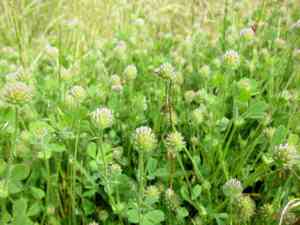
1
This botanical specimen significantly improves soil quality through its ability to fix nitrogen.
2
It serves as a superb food source for animals, enhancing local ecosystems and species diversity.
3
Its beautiful blossoms draw in helpful insects, such as those that pollinate.
Why Consider Incorporating Small-head Clover into Your Garden?
Enriches Soil with Nitrogen
A key attribute of Small-head clover is its capacity to fix atmospheric nitrogen, converting it into a form plants can utilize. This process not only enriches the soil but can also significantly lessen the need for synthetic fertilizers. Growers and gardeners benefit from healthier, more fertile soil, leading to increased crop yields.
Supports Biodiversity
By cultivating Small-head clover, you create a welcoming habitat for various forms of wildlife, from insects to larger creatures. Its abundant blossoms offer nectar and pollen for bees, butterflies, and other vital pollinators. Additionally, it serves as a forage plant for animals, thereby fostering a more balanced and diverse ecosystem.
How Does Small-head Clover Enhance Garden Health?
Attracts Beneficial Insects
Small-head clover is known for drawing in helpful insects that support plant well-being. Ladybugs, predatory beetles, and parasitic wasps are among the insects attracted to this plant. These insects act as natural pest control agents, reducing the need for chemical pesticides and promoting a healthier garden environment.
Enhances Soil Structure
Another significant advantage of Small-head clover is its ability to improve soil structure. The plant's root systems help break up compacted soil, increasing aeration and water penetration. This feature is especially beneficial in heavy clay soils or areas prone to waterlogging, fostering a more robust and resilient garden.
What Are the Ecological Advantages of Growing Small-head Clover?
Erosion Control
Small-head clover's established roots help stabilize the soil, reducing erosion and runoff. This is invaluable for preventing soil degradation and maintaining healthy waterways. By planting Small-head clover along slopes, riverbanks, or other vulnerable areas, you can significantly contribute to soil conservation efforts.
Promotes Sustainable Agriculture
Integrating Small-head clover into crop rotations or as a cover crop encourages sustainable agricultural practices. The plant's nitrogen-fixing ability means it can naturally replenish soil nutrients, lessening reliance on chemical fertilizers. Its use in organic farming systems exemplifies a commitment to long-term soil health and environmentally friendly cultivation methods.
What Are the Aesthetic and Practical Advantages?
Adds Beauty to Landscapes
This plant is not only functional but also adds visual appeal to landscapes. Its delicate flowers provide a splash of color to gardens and public spaces, enhancing aesthetic value. Whether used in ornamental gardens, meadows, or as ground cover, Small-head clover combines beauty with practicality.
Cost-Effective Planting Option
Given its ability to thrive in various soil conditions and its low maintenance requirements, Small-head clover is a highly cost-effective planting choice. Whether you are a home gardener or a large-scale farmer, this resilient plant offers substantial returns for minimal investment, proving its worth as an invaluable addition to diverse planting schemes.



