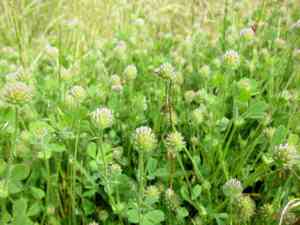
Small-head clover (Trifolium microcephalum)
Also known as: Small-headed clover
Small-head clover (Trifolium microcephalum) is a type of clover frequently found across various habitats in western North America. Known for its ability to rapidly colonize disturbed soils, this clover is often considered a weed. Its distinctive leaves form the typical clover pattern beneath small, bristly flower heads.
In This Article
Attributes of Small-head clover
Lifespan
Annual
Plant Type
Herb
Plant Height
8 cm to 30 cm
Spread
Not typically measured for this type of plant
Leaf Color
Green
Flower Size
Approximately 0.5 to 1 cm
Flower Color
White Pink Purple
Images of Small-head clover
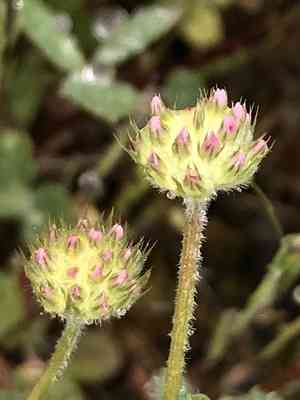
Quickly Identify Small-head clover
1
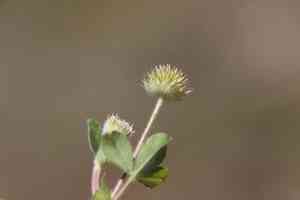
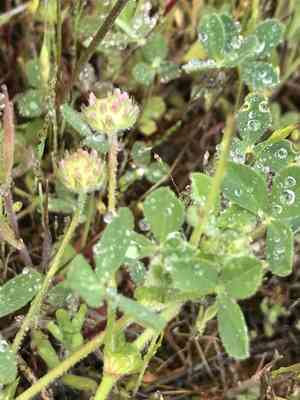
Trifolium microcephalum can be identified by its small, globular flower heads that are typically white or white tinged with pink. The leaves are trifoliate, meaning they have three leaflets. The plant also has hairy stems.
Scientific Classification of Small-head clover
Phylum
Vascular plants
Class
Dicotyledons
Order
Fabales
Family
Legume
Genus
Clovers
Species
Small-head clover
Planting and Growing of Small-head clover
Care Difficulty
Easy
Watering Schedule
Every day
Sunlight Requirements
Full sun
Sunshine Duration
6-10 hours
Ideal Temperature
60-75℉
Soil Type
Potting Mix, Peat Mix
Soil pH
6.5-7.5
Fertilizer Type
Balanced
Pruning Season
Spring, Summer
Pruning Area
Branches, Leaves
Pruning Frequency
2 times a year
Repotting Season
Spring
Pot Type
Terracotta, Plastic
 How to Water Small-head clover?
Trifolium microcephalum thrives with a deep, thorough watering approach. Aim to provide around 500 milliliters of water per session, ensuring soil is moist but not oversaturated. This quantity allows water to reach the deeper roots, promoting robust growth and resilience.
What are the symptoms of an underwatered Small-head clover?
›
What should I do if my Small-head clover is not getting enough water?
›
What are the symptoms of an overwatered Small-head clover?
›
How to save an overwatered Small-head clover?
›
 What Are the Sunlight Requirements for Small-head clover?
Trifolium microcephalum benefits from full to partial sun, translating to ideally six to eight hours of daylight. Sufficient sun exposure supports photosynthesis, robust growth, and optimal flowering.
How much direct sunlight is ideal?
›
What is the best time of day for sunlight exposure?
›
What are some solutions for insufficient light?
›
 What Is the Ideal Temperature Range for Small-head clover?
The ideal temperature range for Trifolium microcephalum is between 60°F and 75°F. This moderate climate condition is conducive to its growth as it mimics the seasonal temperatures of its native habitats. Such a temperature range allows for optimal physiological processes, including photosynthesis and nutrient uptake, supporting robust growth.
 What Soil is Best for Small-head clover?
Trifolium microcephalum thrives best in well-drained soils that prevent waterlogging, which can hinder root development and lead to root rot. The inclusion of sand or organic matter can improve drainage, promoting healthy plant growth. This clover prefers soils with moderate fertility. Overly rich soils might lead to excessive leaf growth with fewer flowers, affecting its ornamental appeal. Balanced nutrient levels will promote both lush foliage and vibrant blooms. While drainage is crucial, the soil should also retain enough moisture to sustain the plant between watering sessions. Soils that balance moisture retention and drainage provide ideal growing conditions for sustained growth and vigor.
 How to Fertilize Small-head clover?
For Trifolium microcephalum, ensure you are providing a balanced fertilizer. Use a 10-10-10 NPK formulation, applying at the rate of 1 tablespoon per 1 gallon of water for liquid applications. For solid fertilizers, use approximately 2 pounds per 100 square feet. Tailor the quantities based on your plant's condition and growth stage.
 How to Prune Small-head clover?
Start by removing any dead or unhealthy foliage, which helps the plant divert energy to healthier parts. Cut back leggy stems to promote bushier growth. Always cut at an angle to prevent water from sitting on the cut surface which can lead to rot. Trifolium microcephalum is a resilient plant, but over-pruning can stress it. Never remove more than one-third of the plant at a time to ensure it can recover swiftly without stunting growth.
More About Pruning Techniques→
 How to Propagate Small-head clover plant?
1
Fill the seed tray with potting soil, leveling it without compacting it too much. Ensure the soil is evenly moist by lightly watering it before planting the seeds.
2
Sow Trifolium microcephalum seeds on the soil surface. They need light to germinate, so do not cover them with soil. Lightly mist the seeds with water after sowing.
3
Place the seed tray in a bright location with indirect sunlight. Maintain a temperature between 65-75°F (18-24°C) and keep the soil consistently moist but not waterlogged.
 How to Repot Small-head clover plant?
1
You’ll know it's time to repot Trifolium microcephalum when you notice roots crawling out of the drainage holes, the soil drying out rapidly, or stunted growth despite proper care. These are telltale signs that the pot has become too cramped for comfort.
2
Select a pot that is only one size larger than the current one. Ensure it has adequate drainage holes to prevent waterlogging, which could lead to root rot. A breathable material like terracotta can also help regulate moisture levels.
3
Pick a well-draining loam mixture to ensure that excess water can easily escape. This prevents root rot and mimics the plant's natural environment, promoting healthier growth and more vibrant foliage.



