How to Propagate Small-head clover?
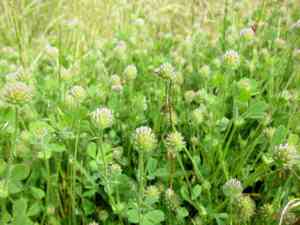
The most effective method for propagating small-head clover is by planting seeds. For optimal germination, utilizing the freshest available seeds will produce the best outcomes. Before planting, a gentle abrasion of the seed's outer layer can improve its sprouting potential. Distribute the seeds superficially in soil that drains efficiently, positioned in an area with filtered sunlight, and ensure the medium stays damp but not oversaturated throughout the germination period.
Optimal Time for Small-head Clover Propagation
Propagation Method
Seeding
Propagation Period
Spring
Tools for Small-head Clover Propagation
Seed trays
Seed trays are essential for starting small-head clover from seeds, offering an organized, controlled space for sowing. Each cell provides individual seeds ample room to sprout and grow without crowding, enhancing air circulation and reducing fungal disease risk, vital for small-head clover's early health.
Potting mix
A well-draining, nutrient-rich potting mix is critical for small-head clover, ensuring proper aeration and moisture retention necessary for seed germination and root growth. This specific blend promotes robust root development without waterlogging, which is key to small-head clover's survival and vigor.
Misting bottle
A misting bottle is used to gently water small-head clover seeds without dislodging them or causing soil erosion. This tool allows for controlled moisture application, crucial for keeping the growing medium consistently damp during small-head clover's vital germination phase.
Grow lights
Especially beneficial in areas with limited natural light, grow lights supply the necessary light spectrum for photosynthesis in small-head clover. They ensure seedlings receive adequate illumination, even in poor weather or during winter, supporting strong growth.
Heat mats
Heat mats provide a consistent source of bottom heat, crucial for maintaining an ideal soil temperature, which encourages faster germination of small-head clover seeds. This is particularly useful in colder climates or when starting seeds indoors in early spring, ensuring seedlings develop at an appropriate rate.
How to Propagate Small-head Clover?
Propagation Type
Simple
Caring for Newly Propagated Small-head Clover
Caring for Newly Propagated Small-head Clover
Post-propagation, continue to water small-head clover plants regularly, especially during dry spells, to keep the soil moist but not saturated. Fertilization is generally not required, but an occasional application of a balanced, slow-release fertilizer can encourage vigorous growth. Monitor for pests and diseases, though small-head clover is typically resilient against common garden issues. Allow some plants to mature and produce seeds to naturally reseed the area for continuous growth in subsequent seasons.
Common Propagation Mistakes for Small-head Clover
Overwatering
Excessive watering can lead to root rot in small-head clover, as this species is sensitive to too much moisture. This can impede root development and lower survival rates during propagation.
Deep planting
Planting small-head clover seeds or young plants too deeply can hinder their growth because they need light for optimal germination, and young shoots might lack the strength to emerge from deep soil.
Neglecting soil texture
Using soil that is too dense or clayey can restrict root growth and water drainage for small-head clover. This results in poor root establishment and increases susceptibility to diseases.
Tips for Propagating Small-head Clover
Moderate watering
Maintain balanced soil moisture for small-head clover by providing just enough water to keep the soil slightly damp. This approach supports healthy root growth without risking waterlogging.
Surface sowing
Sow small-head clover seeds on the soil surface and gently press them down. They require light for effective germination, so avoid covering them with soil.
Loose, well-draining soil
Use a soil mix that is loose and rich in organic matter for small-head clover. Ensuring good drainage and an aerated soil structure will promote healthier root development and more successful propagation.



