How to Transplant Twin-headed clover?
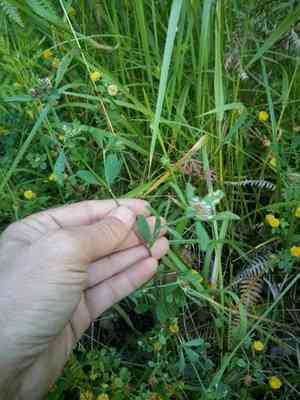
For best development, twin-headed clover ought to be relocated between the middle and end of spring. Select a bright spot featuring soil that drains effectively. Verify that the new environment mirrors the previous one to facilitate an effortless adjustment.
Essential Preparations Before Relocating Twin-headed Clover?
Optimal Period for Relocating Twin-headed Clover?
The best time for moving twin-headed clover, an annual plant, is from the middle to the end of spring. This timeframe provides ideal soil warmth and increased daylight, promoting robust root development and vigorous growth. Transplanting during this window maximizes the plant's adjustment to its new setting, boosting its survival and overall yield.
Recommended Spacing Between Twin-headed Clover Plants?
When relocating twin-headed clover, ensure each plant is positioned 6-12 inches (15-30 cm) apart. This spacing provides ample room for development and guarantees good air circulation, which aids in disease prevention.
Ideal Soil Blend for Twin-headed Clover Relocation?
Prepare well-draining soil enriched with organic compost for twin-headed clover. Incorporating a balanced, slow-release base fertilizer will supply the necessary nutrients for the plants to flourish. Aim for a soil pH between 6.0 and 7.0.
Preferred Location for Your Twin-headed Clover?
Select a sunny spot for twin-headed clover to ensure they receive at least 6 hours of sunlight daily. This will support their strong and healthy development.
Tools Required Before Relocating Twin-headed Clover?
Gardening Gloves
To safeguard your hands while handling soil and plants.
Hand Trowel
For excavating small holes and loosening earth around the plant.
Shovel or Spade
For digging a larger hole in the garden bed and moving earth.
Watering Can or Hose
For hydrating the plant during and after the relocation process.
Garden Fork or Small Rake
For aerating the soil in the new planting area.
Compost or Organic Matter
To enrich the soil within the new planting hole.
How to Extract Twin-headed Clover from the Ground?
How to Extract Twin-headed Clover from the Ground?
From Pot: Water the twin-headed clover plant thoroughly an hour prior to relocation to facilitate easier removal. Grasp the stem's base and gently lift the plant from its container, tapping the sides if needed to loosen it.From Ground: First, water the twin-headed clover plant to moisten the soil. Next, dig a wide trench around the plant using a shovel or spade, ensuring the plant's root ball remains intact. Carefully work the spade beneath the root ball to lift the plant from its original spot.From Seedling Tray: Water the seedlings thoroughly. Gently press the bottom of each cell to release the seedling, being careful not to harm the roots. If the tray is flexible, you can gently push from the base to help free each seedling.
Step-by-Step Guide for Relocating Twin-headed Clover
Prepare the Planting Site
Ensure the planting area is well-prepared with soil that has been enriched with compost or organic material to provide essential nutrients.
Digging the Hole
Excavate a hole in the new location that is twice as wide and the same depth as the twin-headed clover plant's root ball.
Placing the Plant
Carefully position the twin-headed clover plant into the prepared hole, making sure the top of the root ball is level with the soil surface. Backfill the hole with soil, gently firming it around the root ball.
Watering
Thoroughly water the relocated plant immediately after planting to help settle the soil and eliminate any air pockets.
Mulching
Apply a thin layer of mulch around the plant's base to help retain moisture and suppress weed growth.
Post-Relocation Care for Twin-headed Clover?
Watering
Maintain consistent moisture around the twin-headed clover, avoiding sogginess, for the initial weeks after relocation to aid in strong root establishment.
Monitoring
Observe the twin-headed clover plant for any indications of stress, such as wilting or yellowing foliage. Address any issues promptly.
Protection
Shield the newly relocated twin-headed clover from harsh weather conditions, like frost or intense sun, by using shade cloth or temporary covers if necessary.
Weeding
Keep the area surrounding the twin-headed clover free of weeds, which can compete for water and nutrients.
Resolving Common Issues with Twin-headed Clover Relocation.
When is the best time to relocate twin-headed clover?
Relocate twin-headed clover from mid-spring to late spring for optimal growth and establishment.
What spacing should I maintain between twin-headed clover plants?
Space twin-headed clover plants 6-12 inches (15-30 cm) apart to ensure proper air circulation and growth.
What soil type is ideal for relocating twin-headed clover?
Twin-headed clover thrives in well-draining, fertile soil. Amend with compost if needed before relocating.
How do I prepare the soil for relocating twin-headed clover?
Loosen the soil to a depth of 8 inches (20 cm) and mix in compost for nutrients.
Should I water twin-headed clover immediately after relocating?
Yes, water twin-headed clover thoroughly right after relocating to help the roots settle and establish.
How much sunlight does twin-headed clover need post-relocation?
Twin-headed clover prefers full sun but can tolerate partial shade for part of the day.
What can cause twin-headed clover to wilt after relocating?
Wilting can be due to relocation shock, insufficient watering, or poor soil conditions. Ensure proper care.
When should I begin fertilizing twin-headed clover after relocating?
Wait 2-3 weeks post-relocation before applying a balanced fertilizer to twin-headed clover.
How do I manage pest issues on newly relocated twin-headed clover?
Monitor for pests and use organic insecticidal soap if necessary to keep twin-headed clover healthy.
What is a common error to avoid when relocating twin-headed clover?
Avoid planting twin-headed clover too deep. Ensure the crown is level with or slightly above soil surface.



