How to Prune Twin-headed clover?
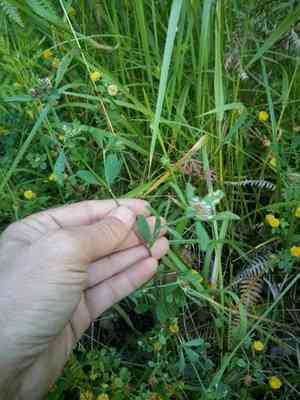
The unique twin-headed clover, characterized by its two-flowered inflorescences, flourishes with gentle trimming to stimulate development and preserve its form. The most suitable periods for pruning extend from spring to autumn, coinciding with its active growth cycles. Trimming not only aids in managing its dimensions and expansion but also boosts floral production by eliminating aged or superfluous vegetation. This practice guarantees robust health and prolific blossoms, which are crucial for its visual appeal and environmental contribution.
Advantages of Trimming Twin-headed Clover
Advantages of Trimming Twin-headed Clover
Trimming twin-headed clover promotes robust development and helps preserve its form, fostering denser leaves and a more attractive structure. Regular cutting also allows for improved light penetration and air circulation, crucial for overall well-being.
Optimal Period for Trimming Twin-headed Clover
Optimal Period for Trimming Twin-headed Clover
Trimming twin-headed clover during Spring, early Summer, and early Fall aligns with the plant's active growth phases, facilitating quick recovery and vigorous regrowth. Spring trimming removes any winter damage and stimulates new growth. Early Summer trimming is perfect for shaping the plant and encouraging a denser leaf structure, while early Fall trimming aids in removing any dead or diseased foliage before the plant enters dormancy. Trimming during these times ensures minimal stress on twin-headed clover, promoting its overall health and blooming potential.
Necessary Tools for Trimming Twin-headed Clover
Hand Shears
Ideal for trimming and shaping twin-headed clover, hand shears offer the precision needed to maintain the delicate clover stems and leaves without causing harm.
Garden Scissors
These are perfect for cutting through the thinner stems of twin-headed clover, providing greater control and reducing the chance of bruising or damaging nearby plants.
Pruning Snips
Essential for reaching into the small, crowded areas typical of twin-headed clover, pruning snips allow for detailed work, such as deadheading or removing individual leaves.
How to Trim Twin-headed Clover
Identify
Locate withered or dead leaves on twin-headed clover, focusing on those showing signs of age or damage. This typically includes any leaves that are brown, yellow, or exhibit visible decay.
Prepare
Ready the appropriate tools for trimming twin-headed clover. Use a sharp, clean pair of scissors or pruning shears. This ensures a clean cut that will help prevent damage and potential disease.
Trim
Cut the identified withered leaves at their base, close to the stem. Make sure to cut at an angle, which promotes better healing and growth. Avoid pulling the leaves as this can cause harm to the stem structure.
Dispose
Properly discard the removed leaves to prevent any potential reinfestation of pests or diseases. This helps maintain the health and appearance of twin-headed clover.
Observe
After trimming, monitor twin-headed clover over the subsequent days to ensure it remains healthy and shows signs of new growth. This observation aids in early detection of any issues post-trimming.
Common Trimming Errors with Twin-headed Clover
Over-trimming
Removing too much foliage from twin-headed clover can be harmful, as it can stress the plant and reduce its vitality. This often stems from a misunderstanding of how much growth should actually be removed to maintain the plantâs health and encourage flowering.
Incorrect technique
Using dull or dirty trimming tools can damage the stems of twin-headed clover, leading to jagged cuts that heal poorly. This increases susceptibility to diseases and pest infestations.
Trimming at the wrong time
While the best seasons are not to be discussed, trimming twin-headed clover at inappropriate times can disrupt its growth and flowering cycles, leading to poor plant performance.
General Trimming Advice for Twin-headed Clover
Use sharp, clean tools
Always trim twin-headed clover with sharp and sterilized pruning tools. This prevents infection and ensures clean cuts that heal quickly, minimizing stress on the plant.
Moderate trimming
To keep twin-headed clover healthy and vibrant, remove only the necessary amount of growth. Focus on eliminating dead flowers and damaged or diseased foliage. This encourages new growth and prolongs the flowering period.
Regular maintenance
Check twin-headed clover every few weeks during the growing season for any signs of dead or diseased foliage. Regular maintenance helps to manage the growth and preserves the plantâs appearance and health.



