The Twin-headed clover Plant Advantage: Maximizing Home and Office Appeal and Wellness
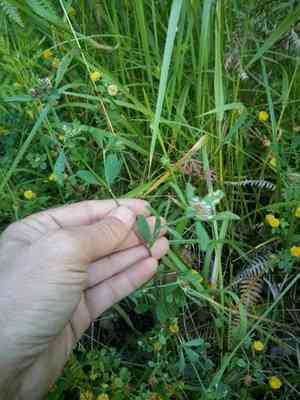
1
Twin-headed clover is vital for fixing nitrogen in the soil, enhancing its richness.
2
This flora is superb for drawing in pollinators, boosting local ecological variety.
3
Twin-headed clover possesses distinct decorative traits, beautifying garden spaces.
How Does Twin-headed clover Improve Soil Health?
Nitrogen Fixation
A key advantage of Twin-headed clover is its capacity to fix nitrogen in the soil. Nitrogen fixation is a process where atmospheric nitrogen is transformed into a form plants can utilize. This is vital for boosting soil fertility and ensuring other plants access crucial nutrients. By integrating Twin-headed clover into your garden, you can lessen the need for chemical fertilizers and naturally enhance your soil's well-being.
Soil Structure Enhancement
Twin-headed clover also aids in improving soil structure. The plant's root system helps aerate the soil, making it more porous and better at retaining water. Good soil structure is essential for the optimal growth of other garden plants. It ensures roots can easily penetrate the soil and access necessary water and nutrients.
What Makes Twin-headed clover a Pollinator Magnet?
Attracting Beneficial Insects
Pollinator attraction is another significant benefit of Twin-headed clover. Its blossoms are particularly appealing to bees, butterflies, and other helpful insects. These pollinators are crucial for the health and productivity of many plants, including fruit and vegetable crops. By planting Twin-headed clover, you can foster a more pollinator-friendly environment, supporting local biodiversity and promoting a healthier ecosystem.
Supporting Ecosystem Biodiversity
Beyond attracting pollinators, Twin-headed clover contributes to supporting a diverse array of species within its ecosystem. The presence of this plant can establish a more balanced and resilient habitat, offering shelter and food sources for various insects and small animals. This biodiversity is critical for the overall health and stability of natural environments.
Why is Twin-headed clover Ideal for Garden Aesthetics?
Ornamental Appeal
Twin-headed clover is not only beneficial for soil health and pollinators; it also possesses considerable ornamental value. The plant's twin-headed flowers add a distinctive and attractive element to any garden. Whether used as ground cover or as part of a mixed planting scheme, Twin-headed clover can elevate the visual charm of your outdoor space.
Low Maintenance
Another benefit of Twin-headed clover is its minimal maintenance requirements. This plant is robust and adaptable, capable of thriving in diverse soil conditions and climates. It needs little care once established, making it an excellent choice for gardeners desiring beautiful and functional plants without extensive upkeep. The resilience of Twin-headed clover means it can endure varying weather conditions, further enhancing its appeal as a low-maintenance plant.
How Can Twin-headed clover Be Used in Sustainable Landscaping?
Erosion Control
One practical application of Twin-headed clover in sustainable landscaping is erosion control. The plant's deep root system helps stabilize soil and prevent erosion, especially on slopes and embankments. By strategically planting Twin-headed clover, you can safeguard your landscape from the damaging effects of soil erosion and run-off.
Companion Planting
Companion planting with Twin-headed clover can benefit other plants in your garden. Its nitrogen-fixing ability enriches the soil, providing nearby plants with essential nutrients. This makes Twin-headed clover an excellent companion for vegetables, flowers, and even certain fruit trees. By integrating Twin-headed clover into your planting strategy, you can create a more robust and productive garden ecosystem.



