How to Propagate Twin-headed clover?
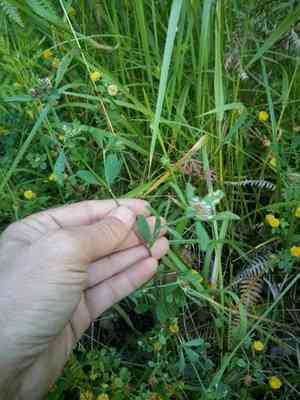
Twin-headed clover is best multiplied by seeding. To achieve thriving development, guarantee the utilization of soil that drains effectively and sustain adequate hydration. Place the seeds in an area that gets abundant solar exposure, which is vital for proper sprouting. Consistent, gentle irrigation fosters robust growth without waterlogging the substrate, thus averting root decay.
Optimal Time for Propagating Twin-headed Clover?
Propagation Method
Seeding
Propagation Period
Spring
Tools Utilized in Twin-headed Clover Propagation?
Seed tray
Seed trays are shallow containers for starting seeds. For twin-headed clover, which can be propagated by sowing, a seed tray allows for controlled soil quality and moisture levels, fostering an optimal environment for seed germination.
Fine-grained seed starting mix
This medium is particularly useful for twin-headed clover. The fine texture ensures close contact with the seeds, promoting better water retention and air circulation essential for the germination of small seeds typical of clover species.
Misting bottle
A misting bottle helps provide gentle watering without disturbing the small seeds of twin-headed clover. Maintaining consistent moisture levels during the germination phase is crucial, and a misting bottle allows for precise moisture control.
Label and permanent marker
Using labels in propagation is important to track the progress and characteristics of twin-headed clover as it grows. This helps in maintaining the correct identification and care regime throughout the development stages.
Dibber or small stick
A dibber or small stick is useful for making suitable holes in the soil when sowing the seeds of twin-headed clover. It helps ensure that the seeds are placed at the correct depth, improving the chances of successful germination.
How to Propagate Twin-headed Clover?
Propagation Type
Simple
How to Care for Your Newly Propagated Twin-headed Clover?
How to Care for Your Newly Propagated Twin-headed Clover?
Once established, twin-headed clover requires minimal maintenance. Ensure the plant receives moderate watering, especially during prolonged dry periods, to keep the soil slightly moist. Twin-headed clover benefits from annual fertilization with a balanced, slow-release fertilizer. Monitor for common pests such as aphids and treat them promptly with suitable organic options. Divide the plants every few years in early spring to maintain vigor and prevent overcrowding.
Common Mistakes to Avoid When Propagating Twin-headed Clover
Overwatering
Excessive watering can lead to root rot and fungal diseases in twin-headed clover. This mistake can reduce the plant's ability to absorb nutrients effectively, severely impacting its growth and survival during propagation.
Deep planting
Planting twin-headed clover's seeds or seedlings too deeply can hinder their ability to sprout efficiently. This can result in poor establishment and weak growth due to insufficient access to light and air.
Ignoring soil composition
Using an inappropriate soil mix that does not drain well or lacks essential nutrients can be detrimental. This can lead to poor root development and reduced vigor in twin-headed clover.
Neglecting initial care
Failing to provide adequate care during the early stages of propagation can cause twin-headed clover to struggle in establishment. This includes not maintaining optimal soil moisture or incorrectly managing light exposure.
Tips For Propagating Twin-headed Clover
Appropriate watering
Ensure the soil is moist but not waterlogged. This balance aids in healthy root development without causing the issues related to water stress such as root rot.
Shallow planting
Sow the seeds of twin-headed clover shallowly, covered with a very thin layer of soil. This exposure enhances germination rates by allowing easier access to light and air.
Choose the right soil mix
Using a well-draining soil with a balanced nutrient content is crucial for twin-headed clover. Such conditions promote robust root growth and overall plant health.
Careful initial management
Providing gentle care in the early stages post-propagation ensures better establishment. This involves regulating moisture levels and providing stable light conditions to support healthy growth in twin-headed clover.



