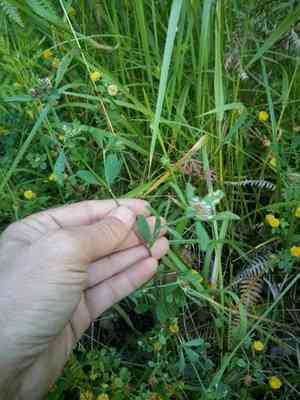
Twin-headed clover (Trifolium bocconei)
Also known as: Twin-flowered clover
Red Clover (Trifolium pratense) is a flowering legume that flourishes in sunny, well-drained conditions. Its leaves are typically trifoliate, giving it a clover-like appearance. The plant is known for its distinctive pinkish, spherical flower heads. Adapted to various climates, Red Clover is particularly resilient and often found enhancing soil fertility through its nitrogen-fixing abilities.
In This Article
Attributes of Twin-headed clover
Lifespan
Annual
Plant Type
Herb
Plant Height
Mature plants reach a height of 10-30 cm.
Spread
Trifolium bocconei typically does not have a crown, as it is a low-lying herbaceous plant.
Leaf Color
Green
Flower Size
0.5-1 cm
Flower Color
White to purple
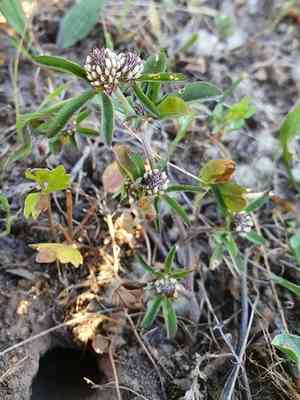
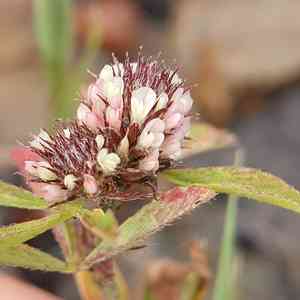
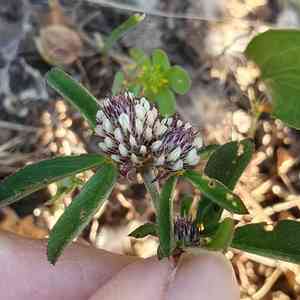
Images of Twin-headed clover
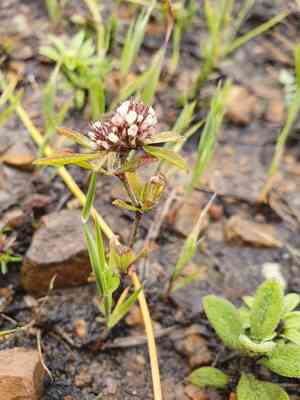
Quickly Identify Twin-headed clover
1
Identify Trifolium bocconei by its trifoliate leaves—each leaf is composed of three leaflets. The plant also produces small, spherical clusters of flowers, which can range in color from white to purple.
Scientific Classification of Twin-headed clover
Phylum
Vascular plants
Class
Dicotyledons
Order
Fabales
Family
Legume
Genus
Clovers
Species
Twin-headed clover
Planting and Growing of Twin-headed clover
Care Difficulty
Easy
Watering Schedule
Every 8 days
Sunlight Requirements
Partial sun
Sunshine Duration
4-8 hours
Ideal Temperature
60-75℉
Soil Type
Potting Mix, Peat Mix
Soil pH
6.5-7.5
Fertilizer Type
Balanced
Pruning Season
Spring, Summer
Pruning Area
Leaves, Branches
Pruning Frequency
2 times a year
Repotting Season
Spring
Pot Type
Plastic, Ceramic
 How to Water Twin-headed clover?
For Trifolium bocconei, it is important to keep the soil moist but not waterlogged. Each watering should result in about 200 milliliters per plant, ensuring that the soil is adequately moist without allowing standing water. Water until the top 2 inches of soil feel evenly moist.
What are the symptoms of an underwatered Twin-headed clover?
›
What should I do if my Twin-headed clover is not getting enough water?
›
What are the symptoms of an overwatered Twin-headed clover?
›
How to save an overwatered Twin-headed clover?
›
 What Are the Sunlight Requirements for Twin-headed clover?
The ideal light range for Trifolium bocconei is partial sun, allowing 4 to 6 hours of light daily. This range promotes healthy growth, vibrant foliage, and robust blooming, aligning with its natural growth habits.
What is the ideal lighting condition for Trifolium bocconei?
›
How can I ensure my plant receives ideal lighting?
›
What are the benefits of achieving ideal lighting for Trifolium bocconei?
›
 What Is the Ideal Temperature Range for Twin-headed clover?
What is the optimal growth temperature for Trifolium bocconei? The ideal temperature for the growth of Trifolium bocconei ranges between 60°F to 75°F. This temperature range supports healthy growth and maximizes the photosynthesis process, which is crucial for the plant's development and reproduction.
 What Soil is Best for Twin-headed clover?
Trifolium bocconei thrives best in nutrient-rich loam soil, which provides the essential nutrients for robust growth. This nutrient availability ensures that the plant's root system develops effectively, promoting healthy foliage and bloom. Adequate drainage is crucial to prevent waterlogged conditions, which can lead to root rot. This plant prefers slightly sandy loam that allows for proper water movement, ensuring roots can access both moisture and oxygen. Trifolium bocconei prefers a soil pH ranging from 6.5 to 7.5, which is optimal for nutrient uptake. This range helps the plant absorb essential minerals like phosphorus and potassium, improving overall plant vigor.
 How to Fertilize Twin-headed clover?
When fertilizing Trifolium bocconei, it is essential to provide a balanced diet without overwhelming the plant. A general guideline is to use a well-balanced liquid fertilizer diluted to half strength, applying about 50 ml per plant per session for liquid fertilizers. For slow-release fertilizers, distribute evenly across the soil surface, using approximately one teaspoon per square foot of soil.
 How to Prune Twin-headed clover?
Use sharp, sterilized pruning shears to avoid infection. Prepare a clean work area and ensure you're pruning in good natural light to accurately assess the plant's needs. Carefully examine your Trifolium bocconei for dead, diseased, or damaged stems. Target these areas first as removing them can prevent the spread of disease and improve air circulation. Trim back any overly tall or rampant growth to maintain a bush-like structure. This helps the plant maintain a compact size and enhances its ornamental appeal. After initial shaping, pinch back the tips of the new growth. This will encourage lateral branching and result in a fuller, more vigorous plant.
More About Pruning Techniques→
 How to Propagate Twin-headed clover plant?
1
Start by soaking the seeds of Trifolium bocconei in warm water for 12-24 hours. This process helps to soften the seed coat and promote better germination rates. After soaking, drain the seeds and prepare them for sowing by ensuring they are clean and ready.
2
Fill a seed tray with a well-draining potting mix and distribute the seeds evenly across the surface. Cover them lightly with a thin layer of soil, approximately 1/8 inch deep, and water gently. Maintain the soil moisture by misting regularly.
3
For cuttings, select healthy, non-flowering shoots around 4-6 inches long. Use a sharp knife to make clean cuts below a node. Remove any lower leaves to prevent rotting and dip the cut ends in rooting hormone to encourage root development.
 How to Repot Twin-headed clover plant?
1
Trifolium bocconei should be repotted when its roots start peeking out from the drainage holes at the bottom of the pot. Another signal is when the plant's growth stutters: a visual clue that the current pot is hindering its development. Spring and early summer are prime times for a repotting session, as the plant enters a new growth phase.
2
Opt for a pot that's an inch or two larger in diameter than the current one. The pot should have ample drainage holes to prevent water logging, which is a major risk for root rot. Choosing a slightly larger pot provides your clover ample room to expand its roots, fostering stronger and healthier growth.
3
A well-draining potting mix that can hold some moisture is ideal for Trifolium bocconei. Look for a blend that retains some water but also allows for air circulation around the roots. This combination ensures the roots aren't smothered and can support the plant's vitality.
Learn More About Twin-headed clover Diseases
Anthracnose
Bacterial Leaf Spot
Bacterial Wilt
Cyst Nematode
Damping-off
Downy Mildew
Drought Stress
Fusarium Wilt
Gray Mold
Leaf Spot
Mosaic
Nutrient Deficiency
Nutrient Toxicity
Powdery Mildew
Root Rot
Root-knot Nematode
Rusts
Sooty Mold
Spider Mites
Temperature Stress
Thrips Damage
White Mold
Chemical Injury



