How to Transplant Wax tree?
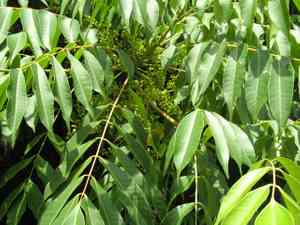
The ideal period for relocating wax tree is from the pleasant warmth of late spring through mid-summer, allowing for superior root development prior to colder seasons. Select a bright spot with soil that drains effectively. Careful manipulation is crucial to minimize the stress of transplantation.
What Preparations are Needed Before Transplanting Wax Tree?
What is the Ideal Time for Transplanting Wax Tree?
The optimal period for moving wax tree is during the transition from late spring to early summer. This timing allows the plant to establish itself before intense heat, providing ample opportunity for root development. Relocating wax tree during this season aligns with its natural growth cycle, promoting recovery and vitality, leading to a lush, flourishing presence in your garden.
How Much Space Should You Leave Between Wax Tree Plants?
When getting ready to move your wax tree, ensure sufficient room for its growth. Plan to leave approximately 8-10 feet (2.4 - 3 meters) between each plant. This will provide your wax tree with adequate space to flourish and mature completely.
What is the Best Soil Mix for Wax Tree Transplanting?
Your wax tree thrives in well-draining soil! Specific types, such as sandy or loamy soil, are most effective. Begin your transplanting process correctly by enriching your soil with a slow-release base fertilizer. This will supply your wax tree with the necessary nutrients to settle into its new environment.
Where Should You Relocate Your Wax Tree?
Select a spot that receives ample sunlight for your wax tree. While it can endure some shade, it truly flourishes in full sun. However, ensure the location isn't excessively hot, as extreme temperatures could cause stress to your plant.
What Equipments Should You Prepare Before Transplantation Wax Tree?
Gardening Gloves
To safeguard your hands while handling the soil and wax tree.
Shovel or Spade
These implements are crucial for excavating the hole for the wax tree and for lifting the plant from its initial spot.
Watering Can
To hydrate the wax tree both before and after its relocation.
Wheelbarrow
To safely transport the wax tree from its original position to its new planting site.
Garden Shears or Pruners
For trimming any damaged or dead branches on the wax tree prior to transplanting.
Measuring Tape
To verify the transplant hole is sufficiently wide and deep for the wax tree's root ball.
Mulch
To aid in retaining ground moisture after the wax tree has been transplanted.
How Do You Remove Wax Tree from the Soil?
How Do You Remove Wax Tree from the Soil?
From Ground: First, moisten the soil around the wax tree. Using your shovel or spade, dig a wide trench around the plant, carefully keeping the root ball intact. Work the spade beneath the root ball to lift the wax tree from its original spot.From Pot: Hydrate the wax tree to moisten the soil. Tilt the container and gently pull the wax tree by its base, aiming to keep the root ball whole.From Seedling Tray: Water the seedlings beforehand. Using your fingers or a blunt tool, carefully scoop under the young wax tree plant and gently lift it, preserving the roots and attached soil.
Step-by-Step Guide for Transplanting Wax Tree
Preparation
Prepare the transplant hole before extracting the wax tree from its initial location. It should be twice as wide and the same depth as the root ball.
Removal
Follow the previously described method to remove the wax tree from its original spot.
Placement
Position the wax tree into the transplant hole, ensuring it is at the same depth as it was in its previous location. Place the wax tree upright and align it as you prefer it to grow.
Backfilling
Refill the transplant hole with the original soil. Avoid compacting the soil tightly as this could harm the roots.
Watering
Thoroughly water the wax tree after transplanting, using the watering can.
How Do You Care For Wax Tree After Transplanting?
Monitoring
Observe the wax tree closely for the initial few weeks post-transplant. Look for any indications of stress such as wilting leaves or drooping stems, as these can signal that the plant is not adapting well to its new environment.
Pruning
Any parts of the wax tree that appear unhealthy or dead after the transplant should be trimmed. This will facilitate the plant's recovery. Use garden shears for this task.
Watering
Regularly water the wax tree, keeping the soil moist, but not saturated. The wax tree requires sufficient water to establish roots in its new location. However, avoid overwatering as this can lead to root rot. It’s better to thoroughly soak the soil and then wait until it’s dry to the touch before watering again.
Mulching
To help retain moisture and deter weed growth, apply 2-3 inches of mulch around the base of the wax tree. Avoid piling the mulch against the stem of the wax tree as this could harbor unwanted pests or diseases.
Troubleshooting Common Issues with Wax Tree Transplantation.
When is the ideal time to transplant wax tree?
Relocate your wax tree during its later growth stages or the onset of dormancy, typically between the third to fifth season. This minimizes shock to the plant.
What's the best spacing to transplant multiple wax tree plants?
Ensure each wax tree is positioned approximately 8-10 feet (about 2.5-3 meters) apart. This provides ample room for growth, root expansion, and light exposure.
What sort of soil works best for wax tree while transplanting?
Wax tree thrives in well-drained soil. Loose, loamy, and fertile soil types rich in organic matter are optimal for its healthy development.
Whatâs the right way to transplant wax tree to minimize root damage?
Dig a hole twice the size of the root ball. Place wax tree in, ensuring it is at the same depth it was previously. Finally, fill gently but firmly around the roots.
How deep should I dig the soil before transplanting wax tree?
The hole for wax tree should be twice as wide and equal in depth to the root ball. Essentially, it's about 10 inches (25 cm) deep, adjustable with the actual root ball size.
How frequently should I water wax tree after transplantation?
Initially, water the wax tree daily. Once established, reduce the frequency. The goal is to keep the soil moist, not waterlogged. Overwatering may cause root rot.
Do I need to use a fertilizer while transplanting wax tree?
It's not mandatory, but it can boost growth. Use a balanced, slow-release fertilizer sparingly around the transplant to supply essential nutrients.
How crucial is sunlight for wax tree after transplantation?
Wax tree loves the sun! Ensuring it receives 6-8 hours of sunlight daily will encourage healthy growth and development.
What can I do if my transplanted wax tree starts wilting?
If your wax tree begins to wilt, it might be experiencing shock. Maintain consistent watering, shield it from extreme weather, and wait. It should recover within a week or two.
Is it necessary to prune wax tree after transplantation?
It's not strictly required, but a light pruning after transplanting helps wax tree direct energy towards root development. Remove broken or diseased branches, but avoid heavy pruning.



