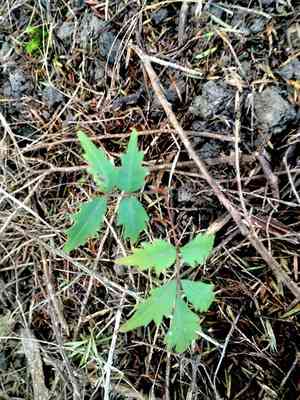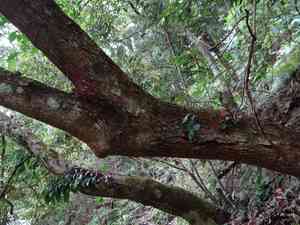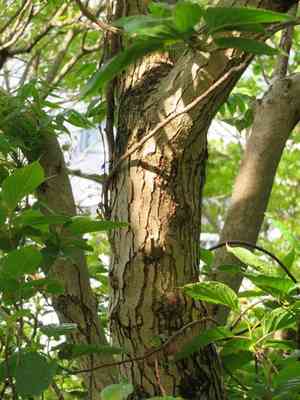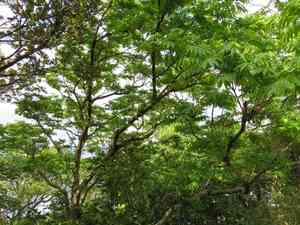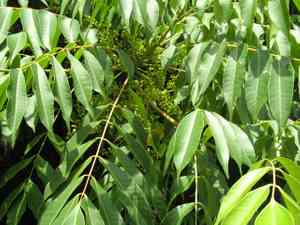
Wax tree(Toxicodendron succedaneum)

Wax tree (Toxicodendron succedaneum)

Also known as: Sumac tree

The wax tree (Toxicodendron succedaneum), known for its yellowish-green flowers and resemblance to the sumac tree, is considered a toxic weed in New Zealand and Australia due to the risk of allergic reactions from handling its parts. Interestingly, it is also the city tree symbol of Kurume, Fukuoka, Japan.

Attributes of Wax tree

Lifespan
Perennial
Plant Type
Tree, Shrub
Plant Height
8 m
Spread
3-5 meters
Leaf Color
Green (turns red in autumn)
Flower Size
2 mm
Flower Color
Green

ForwardPlant - Identify plants with a snap

Identify and diagnose plants, get toxicity alerts, and explore safety guides for all types of fungi.

Try for Free

Images of Wax tree

Wax tree(Toxicodendron succedaneum)

Quickly Identify Wax tree

1
Identifying Toxicodendron succedaneum involves looking for its pinnate leaves with usually 7 to 13 leaflets, which turn a vivid red in autumn. The plant produces small yellow flowers and white to yellowish berries.

Scientific Classification of Wax tree

Phylum
Vascular plants
Class
Dicotyledons
Order
Sapindales
Family
Cashew
Genus
Toxicodendron
Species
Wax tree

Planting and Growing of Wax tree

Care Difficulty
Hard
Watering Schedule
Every 2 days
Sunlight Requirements
Partial sun
Sunshine Duration
4-8 hours
Ideal Temperature
60-75℉
Soil Type
Potting Mix, Peat Mix
Soil pH
6.5-7.5
Fertilizer Type
Balanced
Pruning Season
Spring, Summer
Pruning Area
Branches, Leaves
Pruning Frequency
2 times a year
Repotting Season
Spring
Pot Type
Plastic, Ceramic

water icon How to Water Wax tree?

Toxicodendron succedaneum requires a moderate amount of water. The soil should be kept consistently moist, but not waterlogged. The ideal approach is to water until you see moisture emerging from the drainage holes at the bottom of the pot, ensuring that the top two inches of soil remain damp between waterings.
What are the symptoms of an underwatered Wax tree? ›
What should I do if my Wax tree is not getting enough water? ›
What are the symptoms of an overwatered Wax tree? ›
How to save an overwatered Wax tree? ›

sunlight icon What Are the Sunlight Requirements for Wax tree?

Sunlight Requirements: Partial sun, Full sun
Duration of light: 4 to 6 hours
This plant prefers partial to full sun. Ideal light contributes to vibrant leaf color and robust growth, offering both aesthetic and health benefits.
How much sun does it need? ›
How can I provide ideal lighting? ›
What happens if it gets the right light? ›
More About Sunlight Requirements Techniques→

temperature icon What Is the Ideal Temperature Range for Wax tree?

Ideal Temperature: 60 ~ 75℉
The ideal temperature range for growing Toxicodendron succedaneum is between 60°F and 75°F. This range allows the plant to thrive, promoting optimal photosynthesis, growth, and flowering. Temperatures within this range help to prevent stress and ensure vigorous development.

soil icon What Soil is Best for Wax tree?

Soil type: Loam, Sandy loam, Sand soil
Soil PH: 6.5 ~ 7.5
Toxicodendron succedaneum thrives in well-drained soils because they prevent waterlogging, which can suffocate the roots and lead to root rot. Ensuring good drainage enhances the plant’s overall health and vigor. The plant prefers soils with moderate fertility as excessive nutrients can lead to unwanted lush growth, making the plant more prone to pests and diseases. Balanced fertility supports healthy growth patterns and resilience. Soil aeration is crucial for Toxicodendron succedaneum. Well-aerated soil facilitates oxygen exchange for the roots, promoting healthy root development and efficient nutrient uptake, which is vital for plant health.

fertilize icon How to Fertilize Wax tree?

Fertilizer type: Balanced
For optimal growth, apply approximately 20 ml of liquid fertilizer per plant. This should be diluted according to the instructions on the packaging, usually around a 1:10 ratio with water. Ensure that the soil is moist before application to prevent root burn. Solid fertilizers should be applied sparingly, at about 50 grams per plant, evenly distributed at the base of the plant and gently worked into the topsoil.

prune icon How to Prune Wax tree?

Pruning Time: Spring, Summer, Autumn
Start by identifying dead or diseased branches. These can hamper the plant's growth and should be removed first. They often appear dry or discolored compared to the rest of the plant. Make cuts at a 45-degree angle, just above a leaf node or bud. This technique allows water to run off the cut more easily, reducing the risk of rot. Prune to thin out densely packed areas, allowing light and air to penetrate. This encourages healthier growth by preventing fungal infections and improving air circulation. Step back and assess the plant's overall shape. Trim selectively to maintain a balanced, aesthetically pleasing form. Good shape enhances both appearance and health. More About Pruning Techniques→

propagate icon How to Propagate Wax tree plant?

Propagate Time: Spring,Early spring
1
Choose healthy, disease-free stems from the current year's growth for cuttings. It's essential to select stems that are neither too mature nor too young to ensure successful rooting and growth.
2
A well-draining soil mix is critical for propagation. Combine equal parts of peat moss and perlite to create an environment that retains moisture but allows excess water to drain away.
3
For seeds, sow them just below the soil surface, ensuring good contact with the soil. For cuttings, insert them into the prepared soil, burying at least two nodes to promote root development.
More About Propagating Techniques→

repot icon How to Repot Wax tree plant?

Repotting frequency: Every 2-3 years
1
Toxicodendron succedaneum needs repotting when you notice roots starting to emerge from drainage holes, indicating the plant has outgrown its current pot. Also, if the growth seems stunted, it might be time for a new pot. Another clear signal is soil compactness or retention issues. Repotting during suitable seasons ensures minimal stress.
2
Choosing a proper pot for repotting Toxicodendron succedaneum involves selecting one that provides adequate space for root expansion. A pot that is one to two inches larger in diameter than the current one is ideal. Opt for pots with good drainage to prevent root rot. Proper proportions and drainage facilitate aeration and healthy root development.
3
The ideal soil for Toxicodendron succedaneum should be well-draining yet rich in organic matter. A loamy soil mix augmented with compost provides necessary nutrients and helps in retaining moisture without waterlogging. Good soil structure enhances plant vigor by allowing roots to breathe and access nutrients efficiently.

ForwardPlant - Identify plants with a snap

Find the best spots for them to optimize their health, simply using your phone.

Try for Free

Toxicity of Wax tree

Is Wax tree toxic to humans?

The wax tree presents a considerable danger to humans due to its high toxicity and the potential for triggering allergic responses. All parts of the wax tree are harmful, and poisoning can occur from either direct contact or ingestion of any section of the plant. Coming into contact with a wax tree can cause dermatitis, whereas consuming it can lead to more severe symptoms, including difficulty in breathing, severe gastrointestinal issues, and systemic reactions. Due to its elevated toxicity, it is crucial to exercise extreme caution to avoid accidental contact or ingestion, especially for children and pets who may not recognize the risks associated with this plant.

Is Wax tree toxic to cat?

The wax tree poses a toxicity risk to felines. If a cat mistakenly ingests any part of the plant, especially the sap or juice, it can suffer from poisoning. Cat owners must understand that even slight contact or unintentional consumption can lead to distress or discomfort. Although the precise toxic compounds remain unspecified, the existence of any harmful element necessitates caution. Should poisoning arise, a cat may show signs such as physical distress and illness. To reduce the chance of serious health effects, prompt attention and treatment from a veterinary clinic is crucial if your cat exhibits any unusual behavior that suggests poisoning.

Is Wax tree toxic to dog?

The wax tree is a plant that presents a considerable danger to dogs due to its toxic properties. Dogs may become poisoned if they ingest any part of the wax tree, especially the sap or juice, which are the most toxic components. This ingestion often occurs inadvertently when dogs chew on or consume plant parts during their outdoor explorations. Following the ingestion of wax tree, dogs can display a variety of symptoms that are indicative of poisoning. These symptoms may encompass vomiting, diarrhea, excessive salivation, weakness, and in more severe situations, potentially serious systemic effects such as difficulty breathing or alterations in heart rate. Given the serious nature of these symptoms, it is vital for dog owners to remain vigilant and ensure their pets do not have access to wax tree. Should a dog be suspected of having ingested wax tree, immediate veterinary attention is crucial to secure the best possible outcome for the affected pet.

Identify toxic plants for your safety

Learn which plants are harmful to you and your pets, and make informed choices for a safer home!

Try for Free
WARNING
The judgment on toxicity and danger is for reference only. We DO NOT GUARANTEE any accuracy of such judgment. Therefore, you SHALL NOT rely on such judgment. It is IMPORTANT TO SEEK PROFESSIONAL ADVICE in advance when necessary.
More About Toxic Techniques→