Enhancing Your Garden Design with the Wax tree Plant: A Landscaping Guide
1
The Wax tree offers both visual appeal and practical advantages to any outdoor space.
2
Ideal light exposure and ground conditions are essential for the robust development of the Wax tree.
3
Pairing the Wax tree with suitable companion flora can elevate your garden's overall charm.
Grasping the Role of Wax Tree in Garden Design
Visual Impact of Wax Tree
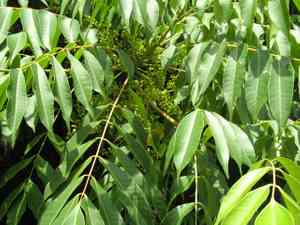
Wax tree significantly boosts your landscape's aesthetic appeal with its distinct leaves and changing seasonal colors. Its prominent, shiny foliage and vivid hues create a captivating display that shifts throughout the year. This makes Wax tree a flexible option for both central features and supporting plantings in your garden.
Spatial Arrangement in Landscape Design with Wax Tree
Integrating Wax tree into your garden demands a deliberate approach to spatial layout. Given its potential to mature into a medium-sized tree or shrub, pre-planning its placement ensures ample room for growth without overshadowing other flora. It can effectively serve as a natural barrier, a shade provider, or simply an ornamental addition to various garden configurations.
Seasonal Considerations for Wax Tree in Outdoor Settings
A crucial aspect of employing Wax tree in landscaping is comprehending its seasonal behavior. Wax tree undergoes noticeable transformations across seasons, influencing your outdoor space's overall dynamics. During spring and summer, it may showcase lush green foliage, while autumn brings splendid reds and oranges. Planning for these seasonal shifts helps create an attractive year-round landscape.
Selecting the Ideal Spot for Wax Tree
Sunlight and Shade Needs for Optimal Development
Wax tree thrives in conditions offering ample sunlight with some partial shade. Positioning it where it receives at least six hours of direct sun daily will encourage robust growth and vibrant foliage. However, it's vital to shield it from intense afternoon sun, achievable by placing it under taller trees or structures providing dappled light.
Soil Type Preferences for Wax Tree
The soil type is paramount for the successful cultivation of Wax tree. Ideally, it favors well-drained, slightly acidic to neutral soil rich in organic matter. Ensuring good drainage prevents root rot and other water-related issues. Additionally, regular soil amendments with compost can improve soil structure and fertility, supporting vigorous growth.
Spacing and Placement Strategies
Correct spacing and positioning are crucial when planting Wax tree. Providing sufficient room between Wax tree and other plants ensures each plant has adequate air circulation and space for root development. A general guideline is to plant Wax tree approximately 10 to 15 feet apart, depending on the overall landscape design and the growth habit of accompanying plants.
Integrating Wax Tree with Other Plants
Choosing Companion Plants That Complement Wax Tree
Selecting appropriate companion plants enhances the beauty and vitality of Wax tree. Seek plants with similar light and soil requirements but offering contrasting textures and colors. For instance, pairing Wax tree with low-growing groundcovers, ornamental grasses, or perennials can create a visually appealing and biodiverse garden.
Understanding Plant Interactions
It's essential to grasp how Wax tree interacts with other plants to ensure a harmonious and flourishing garden environment. Some plants may compete for resources like water and nutrients, while others can be mutually beneficial. Observing plant interactions over time and adjusting your garden layout accordingly can help maintain a balanced ecosystem.
Design Pointers for a Unified Landscape
Crafting a unified landscape design involves thoughtful arrangement and aesthetic planning. Consider using Wax tree as a backdrop for smaller plants or as a central element in a mixed border. Balancing heights, colors, and textures will contribute to a cohesive and visually pleasing garden space. Incorporate pathways, water features, or garden art to further enhance its appeal.
Styling Advice for Wax Tree in Contemporary Landscaping Designs
Incorporating Wax Tree into Formal Landscaping Styles
Wax tree can be seamlessly integrated into formal landscape designs. Its structured growth habit and refined foliage make it suitable for formal gardens demanding symmetry and order. Consider using Wax tree in manicured hedges, topiary forms, or as disciplined accents around neatly paved walkways and garden beds.
Leveraging Wax Tree for Casual or Rustic Themes
For a more informal or rustic garden theme, Wax tree offers a naturalistic charm. Its organic shape and seasonal changes contribute to a spontaneous and relaxed feel. Plant it alongside native plants, wildflowers, or other less structured species to create an inviting, unpretentious garden ambiance.
Utilizing Wax Tree as a Focal Point in Garden Design
Wax tree can serve as a stunning focal point in any garden. Its impressive size and spreading branches can draw the eye and anchor the landscape. Highlight it with strategic lighting, surround it with complementary plants, or position it near outdoor seating areas to fully enjoy its beauty and shade.



