The Wax tree Plant Advantage: Maximizing Home and Office Appeal and Wellness
1
The wax tree provides many ecological advantages, such as preventing soil degradation.
2
Its inherent wax finds use in diverse industrial applications.
3
This plant contributes significant visual appeal to landscape designs.
What Are the Environmental Advantages of Wax tree?
Wax tree and Soil Erosion Prevention
Wax tree plays a crucial role in reducing soil erosion. Its strong root system stabilizes the ground, decreasing the loss of topsoil due to wind and water. This function is especially vital in erosion-prone areas, helping to maintain soil health and fertility. By preventing soil degradation, Wax tree significantly aids sustainable agriculture and environmental preservation efforts.
Wax tree as a Wildlife Sanctuary
Beyond soil preservation, Wax tree offers essential habitats for diverse wildlife species. The plant's dense foliage provides shelter and nesting spots for birds and small mammals, boosting local biodiversity. Insects, vital for pollination and the food web, also find refuge in Wax tree's leaves and flowers, further strengthening the ecosystem.
Commercial Applications of Wax tree
Natural Wax Production
One remarkable characteristic of Wax tree is its capacity to produce natural wax. This wax is collected and used in numerous industrial applications, including the creation of candles, polishes, and cosmetics. The natural wax exhibits excellent properties like a high melting point and malleability, making it a preferred choice for eco-conscious manufacturers seeking sustainable options.
Uses in the Textile Sector
Beyond wax production, Wax tree finds utility in the textile industry. The plant's extracts are employed in the dyeing process, yielding natural dyes that are environmentally friendly and non-toxic. The use of plant-based dyes lessens reliance on synthetic dyes, which can have detrimental environmental effects. Thus, Wax tree supports greener textile manufacturing methods.
How Does Wax tree Improve Landscaping?
Visual Appeal
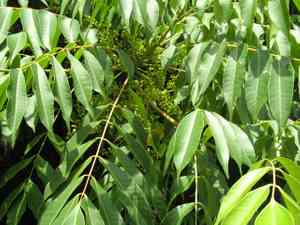
In landscaping, Wax tree is favored for its striking appearance. The plant's lush foliage and seasonal color changes add visual interest to gardens and parks. Its ability to thrive in various soil types and conditions makes it an adaptable choice for landscapers aiming to create beautiful, resilient outdoor spaces.
Minimal Upkeep Requirements
Another attractive feature of Wax tree in landscaping is its low maintenance needs. Once established, the plant requires minimal watering and resists pests and diseases, reducing the need for chemical interventions. This hardiness makes Wax tree an excellent option for sustainable landscaping, contributing to lower maintenance costs and reduced environmental impact.
Can Wax tree Contribute to Traditional Practices?
Cultural Importance
Wax tree has a rich history of use in various traditional practices. In certain cultures, the plant's wax and other extracts have played a role in religious and ceremonial activities. Understanding and respecting the cultural significance of Wax tree can foster a deeper appreciation and sustainable management of this valuable plant.
Artisanal Applications
In addition to industrial uses, Wax tree's natural resources are highly valued by artisans. The plant's wax and fibers are utilized in traditional crafts, including candle making, basket weaving, and natural dyeing. By supporting such practices, Wax tree helps preserve cultural heritage while promoting sustainable livelihoods for local communities.
The Future Outlook for Wax tree
Potential for Research and Development
As interest in sustainable and eco-friendly alternatives grows, Wax tree holds significant potential for future research and development. Innovations in its cultivation, harvesting, and processing could unlock new applications and benefits, further enhancing its value. Researchers and industry leaders are increasingly recognizing the importance of plants like Wax tree in contributing to a sustainable future.
Integration into Modern Sustainability Practices
The integration of Wax tree into modern sustainability practices highlights its adaptability and relevance. From green manufacturing processes to sustainable landscaping, Wax tree aligns with contemporary efforts to reduce environmental impact and promote ecological balance. By embracing the benefits of Wax tree, individuals and industries alike can contribute to a more sustainable world.



