How to Prune Wax tree?
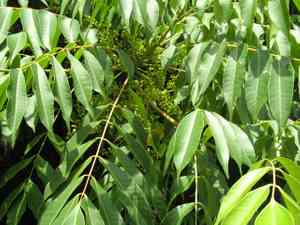
The glossy-leaved and waxy-fruited wax tree greatly benefits from judicious trimming. Essential methods involve reducing dense branches and eliminating any lifeless or ailing wood to foster robust development. The most effective time for pruning is in late winter or early spring to bolster the wax tree's vitality. Due to its poisonous sap, particular care is required; wearing protective equipment is recommended. Trimming improves the tree's form, encourages fresh shoots, and averts potential health problems.
Advantages of Trimming Wax Tree
Advantages of Trimming Wax Tree
Trimming wax tree is crucial for maintaining its vitality and attractive shape. Strategic cutting encourages vigorous new growth and keeps the plant's form well-balanced.
Optimal Time for Trimming Wax Tree
Optimal Time for Trimming Wax Tree
Trimming wax tree in late winter or early spring is beneficial because the plant is typically inactive then, minimizing sap loss and stress. This timing precedes new growth, allowing cuts to heal quickly as the growing season begins. Pruning before spring growth also permits shaping without affecting future blooms or fruits, ensuring wax tree's health and appearance are preserved. Furthermore, disease agents and pests are less active in colder weather, lowering the risk of infections at pruning sites.
Tools Required for Trimming Wax Tree
Pruning Shears
Perfect for making precise cuts on young, green branches of wax tree – they provide clean, accurate snipping, promoting healthier regrowth and reducing disease risk.
Loppers
Ideal for cutting thicker branches of wax tree up to 1-2 inches in diameter, offering longer handles for increased leverage and reach, essential for accessing and trimming branches within dense foliage.
Pruning Saw
An essential tool for removing larger limbs from mature wax tree. A saw with a curved blade can offer more efficient cutting through thick, woody branches, ensuring a clean cut without harming the plant.
Protective Gear
Since wax tree possesses toxic properties, gardeners should wear gloves, long sleeves, and safety glasses to prevent skin irritation, allergic reactions, or injury from plant resin or debris during trimming activities.
Pole Pruner
Suitable for taller specimens of wax tree where branches are out of arm's reach. The pole pruner enables safe trimming from ground level without needing a ladder.
How to Trim Wax Tree
Protect Yourself
Wear protective clothing, gloves, and safety goggles when trimming wax tree, as it can produce sap that may cause skin irritation or an allergic reaction.
Sanitize Tools
Before starting, disinfect trimming tools with alcohol or a 10% bleach solution to prevent the spread of disease between plants.
Remove Dead Parts
Identify and remove any dead branches by cutting them where they meet healthy wood, ensuring cuts are clean and at a 45-degree angle to encourage healing.
Remove Diseased Parts
Carefully cut away diseased branches on wax tree to healthy tissue, ensuring all parts of the diseased wood are removed to prevent infection spread.
Perform Maintenance Trim
After removing dead and diseased branches, perform general maintenance by thinning dense growth to improve air circulation and light penetration, which will enhance the overall health of wax tree.
Common Trimming Errors with Wax Tree
Using Dull Or Dirty Tools
Trimming wax tree with tools that are not sharp enough can cause unnecessary damage to branches, leading to rough cuts that heal poorly and increase disease risk. Similarly, unclean tools can spread pathogens.
Excessive Trimming
Removing too much foliage or too many branches at once can stress wax tree, reducing its vigor and potentially leading to weak growth or plant death.
Tearing Bark
When cutting larger limbs, the branch's weight can cause it to tear away from wax tree, resulting in large wounds more susceptible to infection and decay.
Ignoring Plant Structure
Failing to consider wax tree's natural growth pattern when trimming can result in a misshapen appearance and can also impact the plant's overall health.
Trimming Without Purpose
Cutting branches without a clear reason or goal can lead to unnecessary stress on wax tree and can compromise its aesthetic and structural integrity.
General Trimming Advice for Wax Tree
Clean And Sharpen Tools
Before starting, ensure all trimming tools are clean and sharp. This will make cleaner cuts that heal faster and reduce the risk of spreading disease to wax tree.
Consider Plant's Form
Understand the natural shape of wax tree and trim to maintain or enhance that structure. This approach encourages a strong framework for the plant.
Gradual Trimming
Trim gradually, particularly if reshaping wax tree or managing its size. Trim no more than one-third of the plant at a time to minimize stress.
Correct Technique For Large Branches
When removing larger branches from wax tree, use a three-cut method to prevent bark tearing. This involves making a notch cut on the underside of the branch, an outward cut further along the branch, and then a final cut near the branch collar.
Consider Branch Angle
Selectively trim branches of wax tree that have narrow crotch angles, as these are weaker and more prone to breaking, which can harm the plant's overall health.



