How to Transplant Bush clockvine?
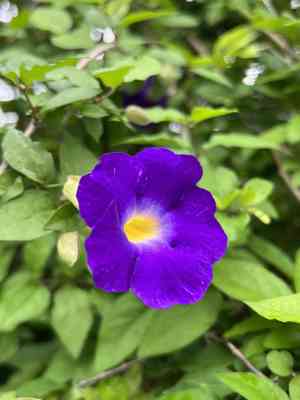
The optimal period for relocating bush clockvine is from the gentle warmth of spring through early summer, fostering robust development with pliable earth and moderate atmospheric conditions. Select a luminous, adequately draining location and gradually introduce your specimen to prevent stress.
What Preparations are Needed Before Transplanting Bush Clockvine?
What is the Ideal Time for Transplanting Bush Clockvine?
The optimal period for relocating bush clockvine is the transition from winter to spring and the start of early summer. This timeframe offers a combination of mild temperatures and significant growth potential, providing an ideal environment for bush clockvine to firmly establish its root system. During these seasons, the moderate weather promotes root development without the stress of extreme heat or cold, encouraging a strong beginning for bush clockvine. The gentler conditions also minimize transplant shock, boosting bush clockvine's resilience and ensuring vigorous new growth. Seize this opportunity to guarantee your bush clockvine flourishes with vitality.
How Much Space Should You Leave Between Bush Clockvine Plants?
When moving your bush clockvine, ensure a minimum of 1-2 feet (30-60 cm) of clearance between each specimen. This provides ample room for them to develop and thrive without competing for essential nutrients.
What is the Best Soil Mix for Bush Clockvine Transplanting?
Bush clockvine thrives best in soil that drains effectively. Prepare the planting site by incorporating a foundational fertilizer to supply vital nutrients. A slow-release option is perfect for novice gardeners.
Where Should You Relocate Your Bush Clockvine?
Select a spot with full to partial sun exposure for your bush clockvine. They prefer sunlight but can tolerate slightly shaded areas. Remember, adequate sunlight is crucial for their development!
What Equipments Should You Prepare Before Transplantation Bush Clockvine?
Gardening Gloves
To protect your hands from thorns and prevent soil-borne infections.
Trowel or small garden shovel
An essential tool for excavating holes in your garden.
Pruning Shears
For trimming and maintaining the plant's shape.
Watering Can
Crucial for hydrating your plant to facilitate a smooth transplanting process and for subsequent care.
Garden Fork
Aids in lifting the plant from its pot or the ground without harming the rootball.
Support Stakes
May be necessary if your bush clockvine plant is large or heavy.
How Do You Remove Bush Clockvine from the Soil?
How Do You Remove Bush Clockvine from the Soil?
From Ground: First, water the bush clockvine plant to soften the surrounding soil. Dig a wide circle around the plant with a trowel, being careful not to damage the root system. Then, use the gardening fork beneath the root ball to lift the plant from its original location.From Pot: Water the bush clockvine plant until water drains from the bottom. Gently invert the pot while supporting the plant's base with your hand and tap to release it. If the plant is stuck, use a garden fork to carefully loosen the roots.From Seedling Tray: Add water to the tray to loosen the soil around the roots. Then, carefully lift the bush clockvine seedlings one by one using a fork to prevent root damage.
Step-by-Step Guide for Transplanting Bush Clockvine
Plant Health
Assess the health of bush clockvine prior to transplanting. It should exhibit vibrant, green foliage and robust stems. Avoid plants showing signs of pests or diseases.
Watering
Water the bush clockvine plant before commencing the process. Moist soil facilitates easier plant removal, and hydrated leaves and stems better withstand transplanting. Thoroughly water the bush clockvine plant after transplanting to settle the soil.
Hole Digging
Excavate a hole in your prepared ground that is twice the width and equivalent in depth to the bush clockvine plant's rootball.
Placing the Plant
Position the bush clockvine plant into the hole, ensuring the top of the rootball is flush with the surrounding ground level.
Backfilling
Fill in the area around the bush clockvine plant with soil, gently firming it down.
How Do You Care For Bush Clockvine After Transplanting?
Watering
Provide the bush clockvine plant with a thorough watering immediately after transplantation, but be cautious not to overwater. Subsequently, water consistently to maintain soil moisture.
Pruning
Remove any dead or yellowed leaves from the bush clockvine to help the plant direct energy towards new growth.
Inspection
Monitor your bush clockvine regularly, especially during the initial weeks. Observe its growth and watch for indications of disease or pest infestation.
Support
If your bush clockvine plant is taller or heavier, offer a stake for support to prevent branches from bending excessively or breaking.
Troubleshooting Common Issues with Bush Clockvine Transplantation.
When is the best time to transplant bush clockvine?
The optimal period to transplant bush clockvine is between seasons 1 and 4, typically spanning spring through autumn. However, always keep an eye on the weather, as extreme conditions can hinder successful transplantation.
What space should I maintain between the bush clockvine plants during transplanting?
You should aim for a distance of 1-2 feet (30-60 cm) between each bush clockvine plant. This ensures each plant has sufficient room to grow and expand its root system.
What should I decide on the transplantation depth of bush clockvine?
Bush clockvine's root ball should be positioned so its top is level with or slightly above the surrounding soil. Avoid planting too deeply, as this can lead to root diseases.
What's the best soil conditions for transplanting bush clockvine?
Bush clockvine prefers well-draining soil, enriched with organic matter. The soil's pH should be slightly acidic to neutral. Keep the soil consistently moist but not waterlogged during transplanting.
Which is the best spot to transplant bush clockvine?
Bush clockvine thrives in full sun to partial shade. It's best to transplant it to a location that receives at least six hours of direct sunlight daily. If you're in a hotter climate, some afternoon shade would be beneficial.
How often should I water bush clockvine after transplanting?
Water bush clockvine thoroughly immediately after transplanting and maintain consistently moist soil for the first few weeks. Afterward, adjust watering to approximately once a week, depending on local rainfall and temperature.
How to handle bush clockvine if it seems the leaves are wilting post-transplant?
Do not be alarmed if you observe some wilting after transplant, as it's a common stress response. Ensure you are watering regularly, but avoid overwatering. Apply mulch around the plant to help retain moisture.
How to deal with bush clockvine if it seems to not bloom after transplanting?
Be patient, as bush clockvine may require time to adapt to its new location before flowering. Ensure it receives adequate sunlight and consider a slow-release, balanced fertilizer to aid recovery and promote bloom production.
What should I consider for multiple transplants?
If you are planning multiple transplants, maintain the same 1-2 feet (30-60 cm) distance between the plants. This provides enough space for each bush clockvine to mature without competing for resources.
What precautions should I take during transplanting bush clockvine to prevent root damage?
Handle bush clockvine with care. When removing it from its original pot, try not to disturb the root ball. Place it gently into the hole and ensure the roots are not crushed or excessively bent.



