Enhancing Your Garden Design with the Bush clockvine Plant: A Landscaping Guide
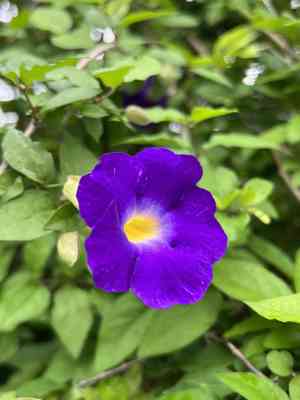
1
Bush clockvine adapts well to diverse soil conditions, making it a flexible option for numerous gardens.
2
Bush clockvine draws in pollinators, potentially enhancing your garden's general well-being.
3
Consistent trimming of Bush clockvine promotes denser growth and increased flowering.
Introducing Bush Clockvine in Garden Design
Understanding the distinctive visual appeal of Bush Clockvine
The allure of Bush Clockvine stems from its vivid blossoms and abundant foliage, which can impart sophistication to any garden. Its striking hues and bushy growth habit create a captivating visual impact, making Bush Clockvine a favored option for gardeners aiming to enhance their landscapes aesthetically. Its capacity to cover areas densely also aids in establishing privacy and naturally obscuring undesirable views.
Advantages of integrating Bush Clockvine into garden plans
Bush Clockvine is not merely attractive but also provides several practical benefits. It is known for drawing pollinators such as bees and butterflies, crucial for a thriving garden ecosystem. Furthermore, Bush Clockvine can flourish in diverse soil types and conditions, offering adaptability to gardeners. This resilient plant can withstand stressors like drought, thereby reducing the need for constant irrigation and upkeep.
Selecting the Optimal Spot for Bush Clockvine
Factors to consider for ideal placement
When choosing a location for Bush Clockvine, it's vital to assess soil quality, drainage, and proximity to other plants. Well-draining soil is essential to prevent root rot. Ensure the site allows ample room for Bush Clockvine to grow without being hindered by other plants for light and nutrients. Areas protected from strong winds can also help safeguard the plant's delicate flowers.
How light and shade influence Bush Clockvine
Bush Clockvine thrives best in full sun to partial shade. In regions with intense afternoon sun, providing some shade can shield its leaves and blooms from scorching. However, if planted in excessive shade, it may not flower as profusely. Balancing light and shadow ensures that Bush Clockvine maintains its vigor and continues to produce vibrant flowers.
Pairing Bush Clockvine with Other Plants
Companion plants for Bush Clockvine
To cultivate a harmonious garden, consider pairing Bush Clockvine with plants that possess contrasting foliage or complementary colors. Plants like ferns, hostas, or grasses can offer a textural contrast to Bush Clockvine's bold flowers, enhancing the garden's visual interest. Additionally, companion plants that thrive in similar soil and light conditions ensure your garden maintains uniform health.
Design suggestions for achieving a unified look
For a cohesive garden design, plan your layout to balance color, height, and texture. Utilize Bush Clockvine as a focal point in borders or position it strategically to guide the eye through garden pathways. Repeating Bush Clockvine at intervals throughout the garden can foster a sense of unity and rhythm. Combining it with plants that have staggered bloom times ensures year-round appeal and continuity.
Care Guidelines for Bush Clockvine in Your Landscape
Routine upkeep to preserve beauty and health
Regular maintenance of Bush Clockvine involves watering, pruning, and fertilizing. Ensure the soil remains moist but not waterlogged. Pruning after the blooming season promotes denser growth and prevents the plant from becoming leggy. Monthly feeding with a balanced fertilizer supports healthy growth and vibrant blooms. Additionally, monitor for pests and address them promptly.
Seasonal considerations for Bush Clockvine care
Each season presents distinct care requirements for Bush Clockvine. In spring, focus on fertilizing and pruning to stimulate new growth. During summer, consistent watering is crucial, especially during dry spells. Fall is the time to tidy up, remove spent flowers, and prepare for winter by mulching to protect roots from cold temperatures. In areas with harsh winters, consider covering or bringing potted Bush Clockvine indoors.
Creative Applications for Bush Clockvine in Outdoor Areas
Ideas for using Bush Clockvine in compact gardens
In small spaces, Bush Clockvine can serve as a central feature, either in containers or as part of a mixed border. Its dense growth can be employed to create living walls or vertical gardens, maximizing space utilization. You can also cultivate Bush Clockvine in hanging baskets or window boxes, where its trailing habit adds a lush and colorful display without overwhelming the area.
Innovative approaches for expansive landscapes
In larger landscapes, Bush Clockvine can be used to delineate spaces and create stunning garden rooms. Planting it along fences or trellises can establish natural divisions. It can also be incorporated into mass plantings or theme gardens to provide a lush, floral backdrop. Using Bush Clockvine alongside water features, patios, or garden paths adds a vibrant, inviting element to extensive outdoor areas.



