How to Prune Bush clockvine?
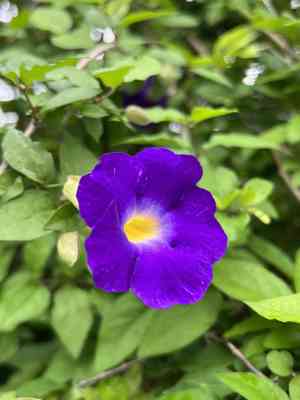
Bush clockvine, an evergreen tropical shrub, is recognized for its abundant leaves and striking trumpet-like blossoms. Trimming should concentrate on eliminating deceased or compromised branches, sculpting for dimension management, and fostering robust development. The optimal period for pruning is in early spring or late winter, immediately preceding the commencement of the growth cycle. Judicious trimming of bush clockvine aids in preserving its visual charm and stimulates abundant flowering. Utilizing sanitized implements and making precise cuts will deter illness.
What Are the Benefits of Pruning Bush Clockvine?
What Are the Benefits of Pruning Bush Clockvine?
Trimming bush clockvine encourages robust development by reallocating energy to new shoots and preserving a desired form, thereby enhancing its overall vitality and visual appeal.
What Is the Best Time for Pruning Bush Clockvine?
What Is the Best Time for Pruning Bush Clockvine?
Pruning bush clockvine in late winter or early spring is beneficial because this period precedes the plant's active growth phase, typically in spring. This timing allows for shaping the plant and removing dead or damaged parts without hindering the development of new shoots essential for flowering and foliage expansion. Furthermore, trimming during dormancy minimizes the risk of pest infestation and disease in fresh cuts. Thus, these seasons ensure the health of bush clockvine and promote a vigorous growth cycle, along with abundant blooms.
What Tools Do I Need to Prune Bush Clockvine?
Hand Pruners
Perfect for making precise cuts on bush clockvine when trimming small branches and shaping the plant.
Loppers
Suitable for reaching into the bush and cutting through thicker stems that hand pruners cannot manage, given bush clockvine's dense growth.
Pruning Saw
Essential for removing mature, woody stems or branches too thick for loppers, ensuring healthy growth and upkeep of bush clockvine.
Gardening Gloves
Protect the gardener's hands from thorns and scratches while pruning bush clockvine, promoting safe gardening practices.
Pruning Shears
Useful for quick snips and deadheading of bush clockvine, helping to maintain the plant's appearance and encourage blooming.
How to Prune Bush Clockvine
Cleaning
Sanitize your pruning shears with rubbing alcohol or a 10% bleach solution to prevent disease transmission.
Assessment
Examine bush clockvine closely to identify all diseased and withered leaves that require removal.
Removal Diseased
Carefully prune away any diseased leaves from bush clockvine, making cuts at the base of the affected foliage to eliminate as much diseased tissue as possible.
Removal Withered
Trim off the withered leaves of bush clockvine, cutting back to just above the nearest leaf node to maintain a clean shape and promote healthy new growth.
Cleanup
Collect and dispose of all removed material from bush clockvine responsibly to minimize the risk of disease spread.
Common Pruning Mistakes with Bush Clockvine
Over-Pruning
Removing too much growth at once can stress bush clockvine, reducing its vigor and blooming potential. It is crucial to prune no more than one-third of the plant at one time.
Blunt Or Dirty Tools
Using dull or unclean pruning tools can cause damage and introduce disease to bush clockvine. Clean, sharp tools make cleaner cuts that heal faster.
Improper Cut Location
Cutting too far from a node or leaving a large stub can hinder bush clockvine's recovery and promote disease. Cuts should be made close to a node at a 45-degree angle.
Ignoring Plant Structure
Failing to consider the natural shape and growth habit of bush clockvine can result in an unattractive or unhealthy plant. Prune with an understanding of how bush clockvine grows and branches.
Pruning Healthy Growth
Unnecessarily cutting away healthy growth can reduce flowering and the plant's overall health. Focus on removing only dead, diseased, or undesired growth.
Common Pruning Tips for Bush Clockvine
Selective Thinning
Remove chosen branches to increase light and air flow, which contributes to bush clockvine's health and reduces the risk of disease.
Rejuvenation
Periodically, remove some of the older stems to ground level to encourage new, vigorous growth, which can result in more robust blooming.
Maintenance Pruning
Regularly removing dead or fading flowers (deadheading) encourages bush clockvine to produce new blooms and maintain a tidy appearance.
Shape Control
Lightly shape bush clockvine to maintain the desired form and size, being careful not to over-prune, which can reduce flowering.
Health Check
Each time you prune, inspect bush clockvine for signs of pests or diseases. Addressing these issues early can prevent them from spreading.



