How to Transplant Cocoa tree?
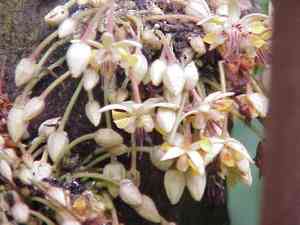
The ideal period for relocating a cocoa tree coincides with the warmer season, generally from mid to late summer, offering peak conditions for development. Select a shaded spot featuring soil that drains effectively. For a seamless shift, preserve soil hydration and reduce disruption to the root system.
Essential Preparations Before Relocating Cocoa Tree?
Optimal Period for Moving Cocoa Tree?
The prime season for relocating cocoa tree is ideally during the warm embrace of mid to late summer. Moving cocoa tree at this time capitalizes on extended daylight, vital for root establishment. Stable weather, prior to autumn, ensures robust root development. A helpful hint: situating cocoa tree during this period supports their enduring vitality, enhancing growth for healthier, more vibrant plants.
Required Spacing Between Cocoa Tree Plants?
When preparing to move your cocoa tree, aim to space the plants approximately 8-10 feet (2.4-3 meters) apart. This is because cocoa tree requires ample room to develop. By ensuring adequate spacing, you provide your plant with the best opportunity to flourish.
Best Soil Blend for Cocoa Tree Relocation?
The most suitable soil type for your cocoa tree is well-draining and rich in organic matter. Before relocation, enrich the soil with a foundational fertilizer like compost or manure. This supplies crucial nutrients, promoting plant vigor.
Where to Replant Your Cocoa Tree?
Sunlight is crucial for your cocoa tree's development, so select a spot that receives abundant daily sun. Avoid overly shaded areas. A balanced amount of sunlight keeps your cocoa tree robust and encourages superior growth.
Equipment Needed Before Transplanting Cocoa Tree?
Gardening Gloves
To safeguard your hands while handling soil and cocoa tree.
Spade or Shovel
To excavate the plant from its original spot or prepare the new planting hole.
Gardening Trowel
For more precise digging, especially useful for smaller plants or extracting cocoa tree from pots or seedling trays.
A Garden Hose or Watering Can
To hydrate the plant before and after the relocation.
Mulch
To aid in retaining soil moisture post-transplant.
A Wheelbarrow
To transport the cocoa tree from its initial location to the new planting site if it's particularly large or heavy.
How to Extract Cocoa Tree from the Ground?
How to Extract Cocoa Tree from the Ground?
From Ground: First, water the cocoa tree to moisten the soil, which will facilitate removal. Then, using a spade or shovel, begin digging a wide trench around the plant, ensuring the root ball remains intact. Continue working the spade beneath the root ball to lift the plant from its position.From Pot: Start by watering the cocoa tree to help loosen the soil. Invert the pot while carefully supporting the plant at its base. Tap the pot's bottom to assist in releasing the plant. Finally, gently pull the plant out of the pot, taking care not to harm the root ball.From a Seedling Tray: Begin by watering the seedlings. Next, tilt the tray to one side, gently press the bottom of the seedling cell, and lift the cocoa tree out. Be sure to hold only the leaves or root ball, not the stem.
Step-by-Step Guide for Relocating Cocoa Tree
Preparation
Prepare the new planting site for the cocoa tree. It should be twice as wide and as deep as the root ball to allow ample space for spreading and establishment. Fill the bottom of the hole with a layer of compost or organic material to provide nutrients.
Placement
Carefully position the cocoa tree into the center of the newly prepared hole. The top of the root ball should be level with the surrounding soil surface, neither too deep nor too high.
Backfilling
Refill the hole with garden soil, gently pressing around the plant's base to ensure it is stable and upright.
Watering
Thoroughly water the cocoa tree at its base soon after the relocation process. This will help settle the soil around the roots and lessen transplant shock.
Mulching
Apply mulch around the base of the cocoa tree to help retain moisture and inhibit weed growth.
Post-Transplant Care for Cocoa Tree?
Consistent Care
Establish a regular watering routine for the cocoa tree. Consistent irrigation helps the plant settle into its new spot, but avoid overwatering as this can lead to root decay.
Monitoring
Observe the cocoa tree for indications of transplant shock, such as yellowing foliage or wilting. If these symptoms appear, reduce sun exposure and ensure the plant receives appropriate moisture levels.
Pruning
Trim any dead or dying stems or leaves on the cocoa tree after relocation. This redirects the plant's energy towards new growth and recovery.
Addressing Common Issues with Cocoa Tree Relocation.
When is the best time to move cocoa tree?
The optimal period to relocate cocoa tree is during stage 5-6, typically coinciding with the rainy season. Ample rainfall and less intense sun create a favorable environment for root establishment.
What is the correct spacing for cocoa tree trees?
Upon relocation, trees should be spaced at intervals of 8-10 feet (2.4-3 meters). This spacing promotes ideal growth, ensuring each plant receives sufficient sunlight and minimizes nutrient competition.
How deep should I dig the hole for cocoa tree's relocation?
The planting hole should be just deep and wide enough to accommodate the roots of cocoa tree. Typically, about 2 feet (0.6 meters) deep and wide should be adequate.
How should I prepare the soil before relocation?
Before relocating, enrich the soil with compost or organic material, ensure proper drainage, and check the soil pH. Cocoa tree prefers slightly acidic to neutral soil (pH 6-7).
How to care for cocoa tree after relocation?
After relocating, water cocoa tree thoroughly for the initial few weeks until the roots are well-established. Keep the soil moist but prevent overwatering. Also, regularly weed the area to reduce nutrient competition.
How soon after relocation will cocoa tree produce cocoa beans?
Generally, cocoa tree trees begin bearing fruit 2-3 years after relocation, but peak yield typically occurs around 5 years.
What if the leaves of my cocoa tree tree start to yellow after relocation?
Yellowing leaves may indicate a nutrient deficiency or excessive watering. Check the soil's moisture and nutrient levels and adjust watering or add nutrients as necessary.
What to do if my cocoa tree tree is not growing as expected after relocation?
First, ensure that cocoa tree is receiving adequate sunlight, water, and nutrients. If these are sufficient and growth remains stunted, the tree might be experiencing transplant shock. Minimize disturbance and provide consistent care.
Can I grow cocoa tree in a container?
Yes, cocoa tree can be grown in containers. However, ensure the container is sufficiently large, a minimum of 18-24 inches (45-60 cm) in diameter, to accommodate the roots and support optimal growth.
How often should cocoa tree be watered post-relocation?
During the first few weeks after relocation, ensure cocoa tree receives ample water. Afterward, watering frequency can be reduced. Avoid waterlogging as it can lead to root rot.



