How to Prune Cocoa tree?
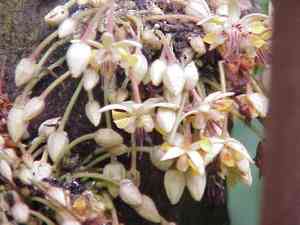
Originating from the tropical zones of the Americas, the cocoa tree flourishes in balmy environments and demands particular attention to boost its output. Essential trimming techniques for the cocoa tree involve excising lifeless or ailing branches, reducing dense sections to enhance light exposure and airflow, and molding the crown for structural integrity. The most effective pruning occurs in the colder months when the plant is inactive. Trimming the cocoa tree can elevate the quantity and excellence of its beans, safeguarding the plant's well-being and lifespan.
What Are the Benefits of Pruning Cocoa Tree?
What Are the Benefits of Pruning Cocoa Tree?
Trimming cocoa tree encourages robust development and preserves its form, ensuring peak yield and plant vitality by eliminating unhealthy or unproductive branches, thereby enhancing light penetration and air circulation.
What Is the Best Time for Pruning Cocoa Tree?
What Is the Best Time for Pruning Cocoa Tree?
Pruning cocoa tree during early to mid-winter is ideal as the plant is typically in a dormant state during this period. This timing prevents excessive sap loss which can weaken cocoa tree. Winter pruning also lowers the risk of pest infestation and disease, as these are less active. Furthermore, it aids in shaping the plant and removing any dead or diseased branches without impacting the flowering and fruiting cycles that usually occur in the subsequent growing season.
What Tools Do I Need to Prune Cocoa Tree?
Hand Pruners
Hand pruners, also known as secateurs, are crucial for making clean and accurate cuts on cocoa tree's smaller branches, typically less than 1 inch in diameter. These instruments enable selective trimming of diseased or unwanted growth without harming the rest of the plant.
Loppers
Loppers are excellent for cutting through thicker branches of cocoa tree, generally up to 2 inches in diameter. Their extended handles provide leverage to make smooth cuts on hard-to-reach branches without damaging the tree structure.
Pruning Saws
Cocoa tree can have some branches that are too thick for hand pruners or loppers, usually over 2 inches thick. A pruning saw is therefore used for cutting these larger branches, designed to cut on the pull stroke for ease and safety.
Pruning Shears
Cocoa tree also benefits from the use of pruning shears for shaping and maintaining the canopy. The shears facilitate the trimming of leaves and soft stems, promoting better light penetration and air circulation within the canopy.
Pole Saws
For higher branches on cocoa tree that are out of reach, pole saws can be utilized. They extend the reach of the gardener, allowing for safe pruning from the ground without the need for ladders.
How to Prune Cocoa Tree
Sanitize
Before starting, clean and sterilize all pruning tools to prevent the spread of diseases to cocoa tree.
Inspect
Examine cocoa tree thoroughly to identify all dead or diseased branches that require removal. These may be characterized by a lack of leaves, discolored bark, or visible signs of infection.
Cut Method
When cutting dead or diseased branches, make the cut at a slight angle just above a healthy branch or bud to promote healing. Ensure the cut is clean without tearing the bark, which can be detrimental to cocoa tree's health.
Disposal
Remove all pruned material away from cocoa tree and dispose of it properly to prevent any diseases from spreading to other parts of the plant or nearby plants.
Follow-Up
Monitor cocoa tree after pruning for signs of new growth or further disease. If additional branches appear to be dead or diseased, repeat the pruning process to maintain the health of cocoa tree.
Common Pruning Mistakes with Cocoa Tree
Overpruning
Removing too much foliage can stress cocoa tree, depleting its energy reserves and reducing its ability to produce flowers and fruit.
Underpruning
Failing to remove sufficient growth can lead to overcrowding and poor air circulation, which increases the risk of diseases.
Improper Cut Placement
Cuts made too close to the bud may damage it, while those too far may leave a stub that can invite pests and diseases.
Pruning During Active Growth
Cutting back cocoa tree while it's growing can result in sap loss and reduced vigour. Pruning should be carefully timed to avoid disrupting growth cycles.
Neglecting Sanitary Practices
Not sanitizing pruning tools before and after use can spread diseases from infected plants to healthy ones.
Common Pruning Tips for Cocoa Tree
Selective Cutting
Focus on removing dead or diseased branches to maintain cocoa tree's health and shape. This will also allow sunlight and air to penetrate the canopy, promoting growth.
Cutting Angle
Make cuts at a 45-degree angle away from a bud to allow water to run off and to promote healing.
Thinning
Thin out the center of cocoa tree to facilitate better airflow, light penetration, and to encourage productive fruiting.
Height Management
Maintain cocoa tree at a manageable height to facilitate harvesting and ensure that nutrients are not wasted on excessive vegetative growth.
Tool Quality
Use sharp, clean pruning tools to make precise cuts that heal quickly, thus reducing the chances for infection.



