Enhancing Your Garden Design with the Cocoa tree Plant: A Landscaping Guide
1
The cocoa tree offers a distinctive visual charm and an exotic touch to any outdoor space.
2
Correct positioning and maintenance of the cocoa tree are vital for its best development and appearance.
3
Incorporating the cocoa tree with other flora can produce striking differences and enhance garden harmony.
Introduction to Cocoa tree in Landscaping
Understanding the aesthetic appeal of Cocoa tree
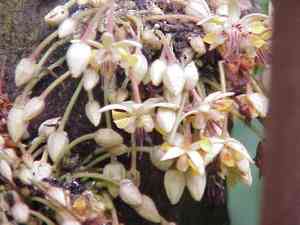
The charm of the Cocoa tree lies in its striking appearance â from its wide, shiny leaves to its delicate blossoms and the distinct form and hue of its pods. This plant can be the centerpiece in any garden, offering an exotic touch and a sense of natural beauty. The visual appeal of the Cocoa tree instantly adds depth and intrigue to your garden landscape, making it an excellent choice for those aiming to create a vibrant and welcoming outdoor area.
The role of Cocoa tree in garden design principles
The Cocoa tree plays a significant role in garden design principles by fulfilling multiple functions, from serving as a focal point to providing natural shade. It can be strategically positioned to define areas within a garden, helping to guide movement and establish distinct zones. The plantâs evergreen nature ensures it offers visual interest year-round, making it valuable for maintaining the gardenâs aesthetic appeal across different seasons.
Initial considerations before planting Cocoa tree
Before planting a Cocoa tree, itâs important to consider factors such as climate suitability, soil conditions, and long-term care. Assess if your garden receives sufficient sunlight and if your local climate supports the growth requirements of the Cocoa tree. Additionally, understanding the soil composition and ensuring proper drainage can aid in the plant's development. Establishing the correct environment from the start will help the Cocoa tree flourish and integrate seamlessly into your landscape.
Optimal Placement of Cocoa tree in Your Garden
How to choose the best location for Cocoa tree
Selecting the ideal location for a Cocoa tree involves finding a spot that provides the right balance of sunlight and shade, as it thrives in partial sun to full shade environments. Consider placing it where it can become a focal point without overshadowing other plants. This consideration ensures that the Cocoa tree enhances the garden's aesthetics while also receiving the necessary conditions to thrive.
Sunlight and soil requirements for Cocoa tree
The Cocoa tree prefers well-draining soil that is rich in organic matter. It thrives in slightly acidic to neutral pH levels. Ensuring the Cocoa tree gets the right amount of light is crucial; while it can tolerate some sun, too much direct exposure can be harmful. Aim for dappled sunlight or areas that receive morning sun and afternoon shade for the best growth conditions.
Creating focal points with Cocoa tree
The Cocoa tree can be utilized as a stunning focal point in your garden. Plant it in a prominent location where its unique features can be admired, such as near seating areas, pathways, or at the center of a garden bed. Its lush foliage and intriguing pods can attract attention and create a natural gathering spot, enhancing the overall landscape design.
Integrating Cocoa tree with Other Plants
Companion planting ideas for Cocoa tree
Companion planting with the Cocoa tree involves selecting plants that complement its growth habits and environmental preferences. Consider pairing it with other tropical plants that thrive in similar light and soil conditions. Examples include ferns, which can complement its bold leaves with their delicate fronds, or understory shrubs that add texture and layers to the garden.
Using Cocoa tree for balance and contrast
Achieving balance and contrast in your garden can be done by effectively pairing the Cocoa tree with other plants. Its broad leaves provide a striking contrast to more delicate foliage, while its height can add vertical interest against low-growing ground covers. This careful arrangement can create a visually harmonious space that plays on different textures and colors.
Seasonal considerations for pairing with Cocoa tree
When planning your garden, consider the seasonal aspects of plants to ensure year-round appeal. The Cocoa tree can be paired with plants that have different blooming times or foliage changes throughout the year. For instance, pairing it with plants that flower in the spring or autumn can ensure that your garden remains visually attractive even when the Cocoa tree is not at its peak display.
Maintenance Tips for Cocoa tree in Landscapes
Pruning and caring for Cocoa tree
Pruning the Cocoa tree helps maintain its shape and promotes healthy growth. Remove any dead or damaged branches and thin out crowded areas to improve air circulation. Regular pruning also prevents the plant from becoming too dense, which can help reduce the risk of disease. Periodic fertilization with a balanced, organic fertilizer can further support its health.
Watering regimes for optimal growth
The Cocoa tree requires a consistent watering schedule to thrive. While it needs regular moisture, itâs crucial to avoid waterlogging. Water deeply but less frequently, allowing the top inch of soil to dry out between watering sessions. Mulching around the base of the plant can help retain soil moisture and regulate temperature.
Dealing with common pests and diseases
Being vigilant about pests and diseases is key to maintaining the Cocoa tree in a healthy state. Common pests include aphids, mealybugs, and spider mites. These can be managed with insecticidal soaps or organic pest control methods. Fungus and mold can be prevented through proper spacing and air circulation, as well as avoiding overhead watering. Promptly addressing any issues will ensure that the Cocoa tree remains a robust and attractive feature in your garden.



