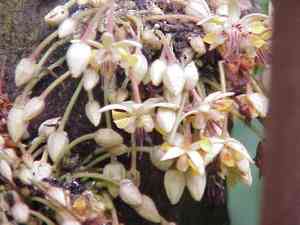
Cocoa tree(Theobroma cacao)

Cocoa tree (Theobroma cacao)

Also known as: Cacao tree, Common cacao

Cocoa tree (Theobroma cacao) is the plant used to make chocolate. Its seeds, called cocoa beans, are processed into all kinds of chocolate products. The plant is native to tropical parts of the Americas and has been introduced as a cash crop around the world. Part of its scientific name comes from Greek and means "food of the gods."

Attributes of Cocoa tree

Lifespan
Perennial
Plant Type
Tree
Plant Height
4 m to 8 m
Spread
8 m
Leaf Color
Green
Flower Size
1 cm to 2 cm
Flower Color
White Yellow Pink

ForwardPlant - Identify plants with a snap

Identify and diagnose plants, get toxicity alerts, and explore safety guides for all types of fungi.

Try for Free

Images of Cocoa tree

Cocoa tree(Theobroma cacao)

Quickly Identify Cocoa tree

1
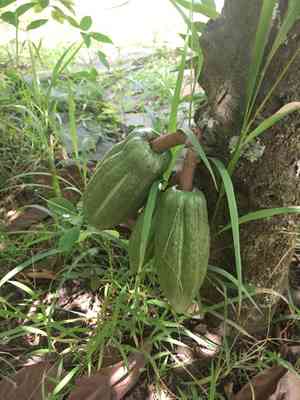
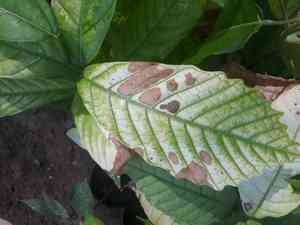
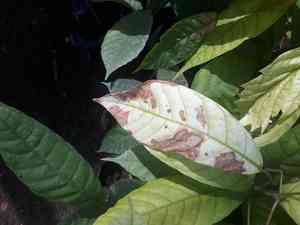
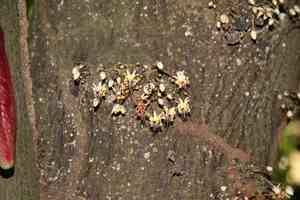
The cacao tree can be identified by its smooth, gray bark, shiny, large, and elongated leaves, and small pink or white flowers that sprout in clusters directly on the trunk and branches. The cacao pods are oval-shaped, ribbed, and can vary in color from yellow to brown when mature.

Scientific Classification of Cocoa tree

Phylum
Vascular plants
Class
Dicotyledons
Order
Malvales
Family
Mallow
Genus
Theobroma
Species
Cocoa tree

Planting and Growing of Cocoa tree

Care Difficulty
Hard
Watering Schedule
Every 4 days
Sunlight Requirements
Partial sun
Sunshine Duration
6-10 hours
Ideal Temperature
68-80℉
Soil Type
Potting Mix, Peat Mix
Soil pH
6.5-7.5
Fertilizer Type
Balanced
Pruning Season
Spring, Summer
Pruning Area
Branches, Leaves
Pruning Frequency
2 times a year
Repotting Season
Spring
Pot Type
Plastic, Terracotta

water icon How to Water Cocoa tree?

Theobroma cacao prefers to have a consistent level of moisture without becoming waterlogged. Water should thoroughly moisten the soil but not leave it soggy. Ensure water reaches 7-10 cm deep into the soil, mimicking the tropical rains it naturally receives.
What are the symptoms of an underwatered Cocoa tree? ›
What should I do if my Cocoa tree is not getting enough water? ›
What are the symptoms of an overwatered Cocoa tree? ›
How to save an overwatered Cocoa tree? ›

sunlight icon What Are the Sunlight Requirements for Cocoa tree?

Sunlight Requirements: Partial sun
Duration of light: 4 to 6 hours
Partial sun, ideally with dappled or filtered light, supports healthy development and can enhance flowering and fruiting potential in Theobroma cacao.
Question 1: What is the optimal lighting condition for Theobroma cacao? ›
Question 2: How can someone achieve the ideal lighting conditions for Theobroma cacao? ›
Question 3: What benefits does Theobroma cacao gain from receiving its ideal light conditions? ›
More About Sunlight Requirements Techniques→

temperature icon What Is the Ideal Temperature Range for Cocoa tree?

Ideal Temperature: 68 ~ 80℉
The ideal temperature range for growing Theobroma cacao is between 68°F and 80°F. This temperature range ensures that the plant remains healthy and produces the best yield. It is important as cacao plants are native to tropical environments, and thus thrive in warm conditions.

soil icon What Soil is Best for Cocoa tree?

Soil type: Loam, Acidic soil, Sandy loam
Soil PH: 6.5 ~ 7.5
Theobroma cacao thrives in well-drained soil to prevent root rot. Proper drainage is crucial as it keeps the roots healthy and ensures nutrient uptake is efficient. By avoiding waterlogged conditions, you ensure strong and productive growth. Cacao plants love soil rich in organic matter as it improves nutrient availability and soil structure. Compost or leaf litter provides essential nutrients and improves the overall health of the plant, resulting in a bountiful cacao yield. Cacao requires soil that retains moisture but isn’t overly compacted. This balance helps maintain consistent hydration and oxygen flow to the roots, supporting robust growth and encouraging a healthy, thriving cacao tree.

fertilize icon How to Fertilize Cocoa tree?

Fertilizer type: Balanced
When it comes to fertilizing Theobroma cacao, the amount should be carefully measured. For liquid fertilizers, use about 1 liter of diluted solution per plant. As for solid fertilizers, apply approximately 200 grams per tree, ensuring it is well distributed around the root zone without being too close to the trunk.

prune icon How to Prune Cocoa tree?

Pruning Time: Spring, Summer
Start by identifying branches that do not bear pods or show signs of pest damage or disease. Remove these to direct the tree's energy towards productive branches, improving both the overall health and yield. Prune to maintain a manageable height between 2-3 meters for easy harvesting. Trim back overly tall shoots and remove any crossing or crowded branches to create an open, well-structured canopy. Water shoots, or basal shoots, often appear near the base of the tree. These should be removed as they can drain vital nutrients away from the productive parts of the tree, hindering growth and fruiting. Remove older wood that no longer supports new growth to encourage the development of new branches and foliage. This helps keep the tree vigorous and sustain continuous pod production. More About Pruning Techniques→

propagate icon How to Propagate Cocoa tree plant?

Propagate Time: Early spring, Summer, Early summer
1
Soak the Theobroma cacao seeds in water for 24 to 48 hours. This process helps to soften the seed coat and encourages quicker germination by ensuring the seed has absorbed plenty of moisture.
2
Fill the seedling tray with a well-draining medium composed of equal parts of coarse sand, peat moss, and perlite. This mixture ensures good aeration and proper drainage while retaining necessary moisture.
3
Place each soaked seed about 1 inch deep into the growing medium. Cover lightly with soil and ensure the environment remains warm and consistently moist. It's crucial to maintain a temperature of around 25-30°C for optimal germination.
More About Propagating Techniques→

repot icon How to Repot Cocoa tree plant?

Repotting frequency: Every 1-2 years
1
Theobroma cacao, or the cacao tree, shows it's ready for repotting when its roots start to emerge from the drainage holes of its current pot, or if the plant appears to be outgrowing its container. Another signal is a slowdown in growth, indicating the roots need more space to nourish the plant effectively.
2
Choose a pot that's 2 to 4 inches larger in diameter than the current one. Ensure it's made of material like clay or terracotta that allows for breathability. This helps in maintaining optimal soil moisture and prevents waterlogging, which could harm the roots. Proper drainage holes are essential to ensure excess water doesn’t stagnate.
3
Select a soil mix rich in organic matter and well-draining. Coco coir and perlite can be excellent additives to improve aeration. This type of soil prevents compaction and aids in providing the nutrients needed for the cacao tree to thrive and grow strong.

ForwardPlant - Identify plants with a snap

Find the best spots for them to optimize their health, simply using your phone.

Try for Free

Toxicity of Cocoa tree

Is Cocoa tree toxic to humans?

The cocoa tree presents a mild toxicity risk to humans, mainly due to the ingestion of its seeds. These seeds contain theobromine, which can lead to poisoning if ingested in excessive amounts. Symptoms associated with cocoa tree poisoning may include restlessness, tremors, and headaches, potentially escalating to severe complications like seizures or irregular heart rhythms in extreme instances. Although the seeds are processed into chocolate, which is safe when consumed in moderation, the raw seeds pose significant hazards. It is essential to differentiate between processed chocolate products and the direct consumption of the toxic seeds to avoid unintentional poisoning.

Is Cocoa tree toxic to cat?

The cocoa tree presents a significant risk to cats because of its pronounced toxicity. Cats can suffer from poisoning if they inadvertently consume any part of the tree's seeds, which are rich in theobromine. Contact with this harmful substance may result in various symptoms of distress, and if these are noted, urgent veterinary care is necessary. It is crucial for cat owners to block their pets' access to the cocoa tree and to seek veterinary advice promptly if ingestion is suspected.

Is Cocoa tree toxic to dog?

The cocoa tree represents a significant toxicity threat to dogs. If dogs ingest the seeds from the cocoa tree, they risk poisoning due to theobromine, a harmful compound present in this part of the plant. Dogs might accidentally consume these seeds, leading to symptoms such as vomiting, diarrhea, increased heart rate, agitation, seizures, and even death if not treated swiftly. Therefore, it is vital for dog owners to be alert and prevent their pets from coming into contact with any part of the cocoa tree, particularly the seeds. Should a dog happen to consume any portion of the cocoa tree, it is essential to seek immediate veterinary assistance to manage the poisoning.

Identify toxic plants for your safety

Learn which plants are harmful to you and your pets, and make informed choices for a safer home!

Try for Free
WARNING
The judgment on toxicity and danger is for reference only. We DO NOT GUARANTEE any accuracy of such judgment. Therefore, you SHALL NOT rely on such judgment. It is IMPORTANT TO SEEK PROFESSIONAL ADVICE in advance when necessary.
More About Toxic Techniques→