How to Transplant Tamarisk?
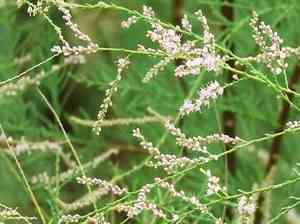
The ideal period for relocating tamarisk is mid-spring, as moderate temperatures facilitate root development. Select a bright location featuring soil that drains effectively. Gentle handling throughout the transplanting process is essential to prevent harm to the roots.
What Preparations are Needed Before Transplanting Tamarisk?
What is the Ideal Time for Transplanting Tamarisk?
The best time to move tamarisk is during the vigorous growth of late spring. This period benefits from mild temperatures and consistent moisture, aiding root development and minimizing transplant stress. Additionally, late spring provides ample time for tamarisk to adapt before summer heat intensifies, promoting robust growth and resilience. Transplanting tamarisk within this window ensures an optimal start in its new location, facilitating a smooth transition and improved survival rates.
How Much Space Should You Leave Between Tamarisk Plants?
It's vital to provide tamarisk with sufficient room to expand. Position them approximately 6-8 feet (1.8-2.4 meters) apart for optimal development and to maintain their aesthetic appeal.
What is the Best Soil Mix for Tamarisk Transplanting?
For tamarisk transplantation, select a soil that drains well, as they do not tolerate standing water. To encourage initial growth, you can enrich the base soil with a balanced fertilizer.
Where Should You Relocate Your Tamarisk?
To maximize your tamarisk's potential, choose a site that receives abundant sunlight; they thrive in full sun! However, they can also flourish in partial shade if direct sunlight is limited.
What Equipments Should You Prepare Before Transplantation Tamarisk?
Gardening Gloves
To safeguard your hands while handling the plant and soil.
Shovel
To carefully excavate the tamarisk plant from its original spot without harming the root system.
Trowel
For smaller, more precise adjustments in the new planting area.
Garden Hose
To hydrate the tamarisk plant both prior to and following transplantation.
Mulch
To assist in retaining soil moisture after the transplant.
How Do You Remove Tamarisk from the Soil?
How Do You Remove Tamarisk from the Soil?
From Ground: Begin by thoroughly saturating the tamarisk plant with water. This facilitates easier removal without root damage. Once the soil is moist, use your shovel to carefully dig around the plant, maintaining about a foot's distance from the base if the plant is mature to preserve a significant portion of the root system. Gently lift the plant from the soil once it's sufficiently loosened.From a Pot: Water the plant thoroughly. Then, place your hand on the soil surface, fingers lightly touching the plant's base. Invert the pot, allowing the tamarisk plant and its root ball to slide out gently. If the plant is stuck, tap the pot's sides instead of pulling on the plant.From a Seedling Tray: Using a spoon, carefully scoop out the seedling tamarisk plant, ensuring you retrieve all roots and as much soil as possible. Handle the plant by its root ball, avoiding direct contact with the stem or roots.
Step-by-Step Guide for Transplanting Tamarisk
Digging The New Hole
Excavate a hole that is twice the width and the same depth as the tamarisk plant's root ball.
Prepare The Plant
Inspect the tamarisk's root ball for any broken or excessively long roots and trim as needed.
Placing the Plant
Position the tamarisk plant in the center of the hole. The top of the root ball should be level with or slightly above the surrounding ground.
Backfilling
Use the shovel or trowel to refill the hole with soil. Gently firm the soil around the roots, being careful not to over-compact it, which could harm the roots and impede their ability to spread into their new environment.
Watering
After planting, generously water the tamarisk, directing the water over the root area. Allow the water to soak in, then water a second time.
Mulching
Apply a layer of mulch around the base of tamarisk to keep the soil cool, conserve moisture, and suppress weeds.
How Do You Care For Tamarisk After Transplanting?
Watering
Maintain consistent moisture in the soil around the tamarisk, avoiding sogginess, for the initial weeks post-transplant to aid root establishment.
Pruning
If your tamarisk exhibits signs of distress, such as wilting or yellowing leaves, consider pruning the plant to reduce its water demands while it fully roots.
Pest/Disease Watch
Monitor for pests or disease symptoms and address them promptly. This helps ensure a successful transplant for your tamarisk.
Troubleshooting Common Issues with Tamarisk Transplantation.
When is the best time to transplant tamarisk?
The optimal season to transplant tamarisk is in S2, which facilitates the best root establishment.
How should tamarisk be spaced when transplanting?
Tamarisk should be spaced approximately 6-8 feet (1.8-2.4 meters) apart. This provides ample room for each plant to reach its full size.
What's the proper planting depth for tamarisk during transplanting?
It's crucial to plant tamarisk at the same depth it was in its original container to prevent damage to the root system.
Should I water tamarisk immediately after transplanting it?
Yes, it's essential. Provide tamarisk with a thorough watering after transplanting to settle the soil and minimize transplant shock.
Do I need to amend the soil before transplanting tamarisk?
Tamarisk is adaptable and thrives in various soil types. However, incorporating organic matter can enhance its growth.
Is there a specific method to dig the hole for transplanting tamarisk?
You should dig a hole that is twice as wide but no deeper than the tamarisk's root ball.
Is there any precaution to take for the roots of tamarisk during transplanting?
Avoid damaging the tamarisk's root ball during transplanting. Any harm can cause stress and impede growth.
Should I fertilize tamarisk immediately after transplanting?
No. Allow tamarisk to acclimate to its new location for a few weeks before applying any fertilizers.
What if the leaves of tamarisk wilt after transplanting?
Tamarisk may experience a period of transplant shock. Keep the soil moist, avoid overwatering, and it should recover.
Is it necessary to stake tamarisk after transplanting it?
Staking is generally not required for tamarisk unless it's planted in a particularly windy area. It is a robust plant.



