How to Propagate Tamarisk?
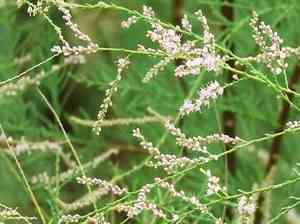
Tamarisk is most effectively multiplied in the fall and winter seasons through the use of cuttings and layering techniques. Its propagation is relatively straightforward, indicated by the emergence of fresh roots and foliage. Initiating root development in cuttings within damp vermiculite can significantly improve successful outcomes.
Optimal Period for Tamarisk Propagation
Propagation Method
Cutting
Propagation Period
Autumn,Winter
Tools Required for Tamarisk Propagation
Pruning Shears
These are crucial for obtaining healthy tamarisk cuttings. With sharp, clean blades, they enable precise cuts, minimizing harm to the parent plant and boosting the likelihood of successful rooting. Shears should be sanitized between uses to prevent disease transmission.
Rooting Hormone
This assists in stimulating root development from tamarisk cuttings. A rooting hormone can enhance propagation success by encouraging faster and more uniform root formation, which is vital for a plant like tamarisk that might otherwise root inconsistently.
Sterile Potting Mix
A soilless potting mixture, free from pathogens, offers an ideal medium for rooting tamarisk cuttings. Its sterility helps prevent disease, and its texture promotes good drainage and aeration, both essential for new root growth.
Propagator or Humidity Dome
This tool maintains a high humidity environment around tamarisk cuttings, which is crucial to prevent drying out before roots have formed. A propagator can also help regulate temperature, aiding rooting success.
Heat mat
For tamarisk, consistent warmth can facilitate root development. A heat mat placed beneath the propagation tray provides gentle, steady heat, which can be particularly beneficial in cooler climates or during cold seasons.
Misting Bottle
A fine misting bottle allows for gentle watering of tamarisk cuttings without disturbing delicate new roots. Maintaining high humidity around the cuttings is critical, and misting can provide moisture while minimizing waterlogging.
Caring for Your Newly Propagated Tamarisk
Caring for Your Newly Propagated Tamarisk
Post-propagation, tamarisk should be watered regularly to keep the soil consistently moist but not waterlogged. Shield young plants from extreme temperatures and direct midday sun. Once established, tamarisk becomes drought-tolerant and requires minimal watering. Prune regularly to maintain desired shape and encourage healthy, bushy growth. Fertilize with a balanced slow-release fertilizer during the growing season. Monitor for pests and diseases and address them promptly.
Common Errors to Avoid When Propagating Tamarisk
Overwatering
Excessive moisture can lead to root rot, significantly hindering tamarisk's growth and potentially causing mortality.
Deep planting
Planting stem cuttings too deeply can restrict oxygen supply, impeding root initiation and growth in tamarisk.
Neglecting humidity
Tamarisk cuttings require a consistent level of humidity to root successfully. Ignoring this can result in dehydration and poor root development.
Using old or diseased material
Propagating tamarisk using old or disease-infected plant material can transmit pathogens to new plants, compromising their vitality and propagation success.
Advice For Propagating Tamarisk
Stem selection
Choose healthy, disease-free young stems for cuttings to increase the success rate for tamarisk propagation.
Soil preparation
Use a well-draining soil mix to prevent waterlogging and encourage healthy root development for tamarisk.
Stimulating roots
Applying rooting hormone to the cut end of tamarisk can promote root initiation and growth.
Appropriate cutting size
Cuttings of tamarisk should be of optimal size, neither too long nor too short, to balance moisture retention and the plant's energy reserves.



