The Tamarisk Plant Advantage: Maximizing Home and Office Appeal and Wellness
1
Recognized for its ability to withstand salt, Tamarisk thrives in salty conditions.
2
Tamarisk provides superb living space for various creatures, such as avian species and arthropods.
3
The extensive root network of Tamarisk aids in firming up soil and averting land degradation.
What Makes Tamarisk Unique?
Adaptability and Resilience
A key characteristic of Tamarisk is its capacity to flourish in difficult environments, including arid regions and saline soils. This is due to its deep root system, which accesses groundwater, making it a strong candidate for desert and coastal landscaping. Furthermore, Tamarisk shows high drought and salt tolerance, allowing it to thrive where many other plant species would fail.
Aesthetic Appeal
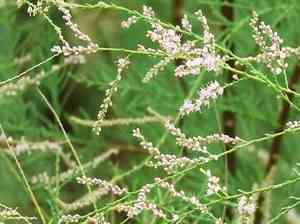
Beyond its hardiness, Tamarisk is also valued for its visual charm. The plant displays delicate, feathery leaves and striking pink to white blossoms that appear in spring and summer, adding beauty to gardens and natural settings. This blend of toughness and attractiveness makes Tamarisk a popular option for decorative planting.
How Does Tamarisk Benefit Ecosystems?
Wildlife Habitat
Tamarisk plays a vital role in offering shelter for various forms of wildlife. Its dense foliage provides cover and nesting spots for birds, while its flowers attract pollinators like bees and butterflies. This positions Tamarisk as an essential part of biodiversity conservation efforts, supporting wildlife in areas where other plants might not survive.
Soil Stabilization and Erosion Control
One of Tamarisk's most significant ecological advantages is its capacity to stabilize soil and prevent erosion. Its extensive root system anchors the earth, making it less vulnerable to being washed away during heavy rains or floods. This is especially valuable in riparian zones and coastal areas where erosion can cause considerable environmental damage.
Can Tamarisk Be a Solution for Landscaping Challenges?
Low Maintenance Requirements
Tamarisk is an excellent choice for those seeking a low-upkeep plant for their landscape. Its tolerance to drought and poor soil conditions means it needs minimal watering and fertilization once established. This makes it an ideal plant for xeriscaping—landscaping that reduces or eliminates the need for supplemental irrigation.
Versatile Application
In addition to its low maintenance needs, Tamarisk is highly adaptable and can be utilized in various landscaping applications. It can serve as a windbreak, boundary hedge, or a garden focal point. Its ability to thrive in diverse environmental conditions also means it can be planted in locations otherwise challenging for vegetation, such as salinized fields and dry riverbeds.
Why Is Tamarisk Important for Soil Health?
Enhancing Soil Nutrients
Tamarisk also contributes to soil health by boosting nutrient content. As the plant completes its natural life cycle, it sheds organic matter in the form of leaves and small branches, which decompose and enrich the soil with essential nutrients. This organic matter helps improve soil structure and fertility over time.
Better Moisture Retention
The organic material from Tamarisk also helps improve the soil's ability to retain moisture. By increasing the organic content in the soil, it assists in holding water during dry periods, making the soil more suitable for other plant species and contributing to a more sustainable ecosystem.



