How to Prune Tamarisk?
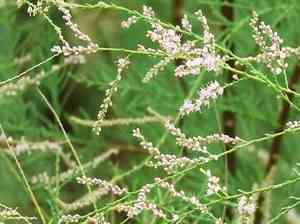
Distinguished by its compact branching and scaly foliage, tamarisk exhibits robust development and hardiness in dry environments. To ensure peak vitality and form, conduct yearly pruning in late spring or early summer. Eliminate deceased wood and alleviate congested sections to foster air circulation and diminish the likelihood of illness. Trim back to appropriately positioned side branches to manage dimensions and avert sparse growth. Pruning improves visual appeal and development while curbing proliferation in areas where it is not indigenous.
What Are the Benefits of Pruning Tamarisk?
What Are the Benefits of Pruning Tamarisk?
Trimming tamarisk promotes abundant flowering and strengthens its resistance to pests and diseases, crucial for its healthy development and visual appeal.
What Is the Best Time for Pruning Tamarisk?
What Is the Best Time for Pruning Tamarisk?
These periods are considered ideal for trimming tamarisk due to various factors. Late spring and early summer align with tamarisk's post-flowering phase, as it typically blooms in early spring. Pruning at this time helps avoid cutting off flower buds, allowing the plant to complete its bloom cycle and ensuring next year's growth is not negatively impacted. Additionally, pruning in late spring and early summer permits wound recovery before winter dormancy and lowers the risk of pest infestation and disease, which tamarisk can be susceptible to if pruned during wetter or colder seasons. This timing also aids in managing its growth and preventing it from becoming invasive, as tamarisk can be a vigorous grower in certain environments.
What Tools Do I Need to Prune Tamarisk?
Hand Pruners
For small to medium branches of tamarisk, hand pruners, also known as secateurs, are perfect. They enable precise cuts and help maintain the plant's inherent form.
Loppers
These are suitable for larger branches that hand pruners cannot manage. Loppers offer leverage, allowing gardeners to cut thicker tamarisk stems without significant effort.
Pruning Saw
When branches are too thick for loppers, a pruning saw is essential. The saw can easily handle the thicker, woodier parts of tamarisk, facilitating clean cuts through branches over an inch in diameter.
Hedge Shears
For shaping and controlling tamarisk's rapid growth, hedge shears are effective. They allow for the trimming of new growth into formal shapes or hedges.
Pole Pruner
For higher branches of tamarisk that are out of reach, a pole pruner (or pole saw) is necessary. It allows for the safe trimming of branches without needing to climb.
How to Prune Tamarisk
Step1: Health and Structure Evaluation
Assess tamarisk's overall health and structure prior to pruning. Look for old wood, dead branches, and areas with weak growth. This initial assessment will help determine the extent of pruning needed.
Step2: Tool Sanitization
Sanitize your pruning tools before you begin cutting tamarisk. Use a 10% bleach solution or alcohol to prevent the spread of disease.
Step3: Dead Branch Removal
Start by removing any dead branches from tamarisk. Cuts should be made at the branch's base, close to the main stem, without harming the collar (the swollen area where the branch connects to the stem).
Step4: Diseased Limb Pruning
Identify and prune out any branches on tamarisk that show signs of disease or damage. Make your cuts at a slight angle to prevent water accumulation and promote healing.
Step5: Old Wood Cutting
Cut back old wood on tamarisk to encourage new growth. Target older branches that no longer produce new shoots, cutting them back to a healthy side branch or bud.
Step6: Canopy Thinning
Thin out dense areas of tamarisk's canopy to allow light and air to penetrate. Remove some of the older branches completely to stimulate airflow and new growth.
Step7: Weak Growth Trimming
Prune tamarisk's weak growth by trimming spindly stems back to a strong lateral branch or bud. This encourages the development of sturdier branches.
Step8: Plant Shaping
Shape tamarisk as desired, keeping its natural form in mind. Avoid excessive topping or shearing, which can cause tamarisk to produce a flush of weak, spiky growth.
Step9: Post-Pruning Cleanup
Clean up all debris after pruning tamarisk to prevent the spread of pests and diseases. Dispose of the trimmings properly.
Step10: Watering and Fertilization
After pruning tamarisk, water the plant if necessary and apply a balanced fertilizer to aid recovery and promote healthy new growth.
Post-Pruning Care for Tamarisk
Post-Pruning Care for Tamarisk
Immediately after trimming tamarisk, water thoroughly to minimize transplant shock. Optimize light exposure, ensuring full sun, and maintain moderate humidity. Avoid extreme temperature fluctuations. Fertilize with a balanced slow-release fertilizer to support regrowth, but avoid over-fertilization which can lead to weak growth. Monitor tamarisk for signs of stress, such as wilting or discoloration. If infections are suspected, apply appropriate fungicides or bactericides. Regular observation post-pruning ensures tamarisk recovers healthily, promoting vigorous development.
Common Pruning Mistakes with Tamarisk
Over-Pruning Causes Plant Shock
Removing too much from tamarisk in a single pruning session can shock the plant, potentially leading to weakened growth or even plant death.
Dull Tools Lead to Disease and Pest Risks
Using dull or dirty pruning tools can result in jagged cuts and increase the risk of disease and pests affecting tamarisk.
Lack of Objective Results in Poor Growth Patterns
Pruning without a clear goal, such as removing dead wood or shaping tamarisk, might lead to an undesirable growth pattern or sparse foliage.
Unclean Tools Spread Disease Between Cuts
Neglecting to sterilize pruning tools between cuts, especially when working with diseased branches, can spread pathogens to healthy parts of tamarisk.
Neglecting Suckers Diverts Energy from Main Plant
Failing to prune out the suckers from the base of tamarisk, which can lead to a cluttered and unmanaged appearance while diverting energy from the main structure.
Ignoring Natural Shape Results in Unattractive Plants
Ignoring the natural shape of tamarisk when pruning, leading to an unsightly appearance that does not complement the plant's growth habits.
Common Pruning Tips for Tamarisk
Remove Dead Branches to Promote Health and Growth
Begin by removing any dead, diseased, or damaged branches to maintain tamarisk's health and encourage new growth.
Use Clean, Sharp Tools for Quick Healing
Use sharp, clean tools to make precise cuts that tamarisk can heal quickly from; sanitize your tools with alcohol or a bleach solution between cuts.
Thin Dense Areas to Boost Sunlight and Air Flow
Thin out dense areas of tamarisk to improve sunlight penetration and air circulation, which helps prevent disease and promote vigorous growth.
Prune to Enhance Natural Plant Shape
Maintain the natural form of tamarisk by selectively pruning branches to enhance its graceful, fountain-like shape without making it overly manicured.
Prune Suckers to Direct Energy to Main Stems
Prune out suckers from the base to concentrate the plant's energy into its main stems, ensuring tamarisk's resources are used efficiently.
Balance Old Wood and New Shoots for Flowers and Longevity
Balance removing older wood with preserving new shoots, which will bear flowers, to promote both flowering and the longevity of tamarisk.
Inspect Regularly for Timely Issue Management
Regularly inspect tamarisk throughout the growing season to address any emerging issues promptly, such as water sprouts or undesirable growth.



