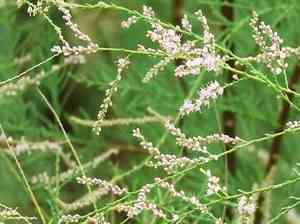
Tamarisk (Tamarix ramosissima)
Also known as: Pink tamarisk, Tamarix
The Tamarisk, also known as Salt Cedar, is a robust shrub or small tree recognized for its feathery leaves and attractive flower plumes. It is easy to cultivate and is often used for hedges or windbreaks. Notably, Tamarisk can tolerate saline conditions by using special glands to excrete salt through its leaves.
In This Article
Attributes of Tamarisk
Lifespan
Perennial
Plant Type
Shrub
Plant Height
8 m
Spread
5 m
Leaf Color
Green Gray Silver
Flower Size
0.7 mm to 1 mm
Flower Color
Pink
Images of Tamarisk
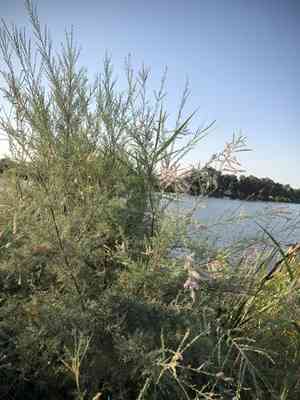
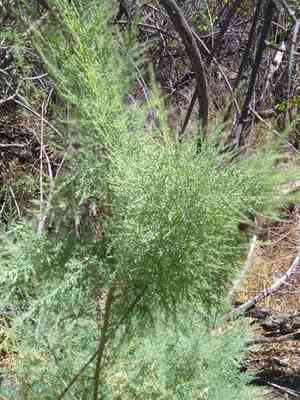
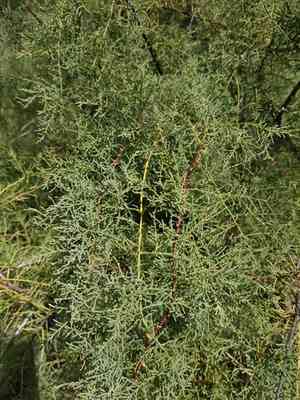
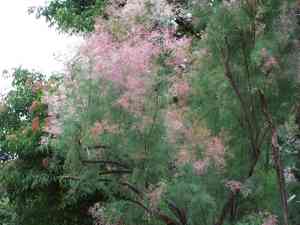
Quickly Identify Tamarisk
1
Gray-green juniper-like foliage
2
Slender red-hued arching branches
3
Delicate pink feathery flowers in summer
4
Splitting brown-grey capsules with tufted seeds
5
Compound lanceolate leaves, vibrant green
Scientific Classification of Tamarisk
Phylum
Vascular plants
Class
Dicotyledons
Order
Pinks, cacti, and allies
Family
Tamarisk
Genus
Tamarisks
Species
Tamarisk
Planting and Growing of Tamarisk
Care Difficulty
Easy
Watering Schedule
Every 4 days
Sunlight Requirements
Full sun
Sunshine Duration
6-10 hours
Ideal Temperature
50-77℉
Soil Type
Potting Mix, Peat Mix
Soil pH
6.5-7.5
Fertilizer Type
Balanced
Pruning Season
Spring, Summer
Pruning Area
Branches, Leaves
Pruning Frequency
2 times a year
Repotting Season
Spring
Pot Type
Plastic, Ceramic
 How to Water Tamarisk?
Tamarix ramosissima thrives when watered deeply and infrequently. The soil should be soaked until water begins to drain from the bottom of the container or saturates the ground for in-ground plants, ensuring thorough hydration without waterlogging the roots.
What are the symptoms of an underwatered Tamarisk?
›
What should I do if my Tamarisk is not getting enough water?
›
What are the symptoms of an overwatered Tamarisk?
›
How to save an overwatered Tamarisk?
›
 What Are the Sunlight Requirements for Tamarisk?
Tamarix ramosissima prefers full to partial sun. Optimal light exposure promotes lush growth, vibrant flowers, and a healthier plant structure, enhancing its visual appeal and resistance to bleak conditions.
More About Sunlight Requirements Techniques→
What is the ideal amount of sunlight?
›
How can I ensure this plant gets the ideal sunlight?
›
What are the benefits of the ideal sunlight conditions?
›
 What Is the Ideal Temperature Range for Tamarisk?
For optimal growth, Tamarix ramosissima thrives in temperatures ranging between 50°F and 77°F. These conditions simulate a mild and temperate climate, conducive to the plant's natural habitat, promoting healthy foliage and robust growth.
 What Soil is Best for Tamarisk?
Tamarix ramosissima thrives in well-draining soils because they prevent root rot and other water-related issues. This plant is adept at surviving in arid conditions, and such soil conditions help it adapt and flourish even when water is scarce. This plant can tolerate saline conditions, making coastal and semi-arid regions suitable for its growth. Growing in salty soil not only shows its resilience but also helps in stabilizing such soils by preventing erosion. While many plants demand nutrient-rich soils, Tamarix ramosissima can survive in less fertile soils. This capability means it's suitable for areas where other plants may fail, helping in greening and reclaiming barren lands.
 How to Fertilize Tamarisk?
For Tamarix ramosissima, apply a balanced fertilizer diluted to half strength when using liquid fertilizers. Use about 1 tablespoon of granular fertilizer per square foot when applying slow-release types.
 How to Prune Tamarisk?
Always wear gloves and eye protection when pruning Tamarix ramosissima to protect yourself from cuts and debris. Ensure your tools are clean and sharp to make clean cuts and prevent the spread of disease. After pruning, it's advisable to water the plant well and consider applying a general-purpose fertilizer to support new growth. Be mindful of over-watering, especially during cooler months, as this can lead to root rot.
More About Pruning Techniques→
 How to Propagate Tamarisk plant?
1
Gather seeds from the plant after the flowering period. Make sure they are dry and mature before collection. Store them in a cool, dry place until ready to plant.
2
Select healthy, disease-free branches and cut 10-15 cm sections. Remove any leaves from the lower half to reduce water loss and apply rooting hormone to the cut end.
3
Insert cuttings into a sandy, well-draining soil mix. Ensure the cut end is buried at least 5 cm deep. Water gently to settle the soil around the stem and place in a shaded area.
 How to Repot Tamarisk plant?
1
The optimal time to repot Tamarix ramosissima is when you notice roots emerging from the drainage holes or when growth appears stunted. These signs indicate the plant has outgrown its current pot and needs more room for root expansion.
2
Select a pot that is at least 2 inches larger in diameter than the current one. Ensure it has ample drainage holes to prevent waterlogging, which is essential for the health of your Tamarix ramosissima. A slightly larger size provides space for growth and stability.
3
Use a well-draining sandy loam soil mix to mimic the plant’s natural habitat. This type of soil aids in preventing root rot and ensures sufficient aeration and drainage, promoting healthy root development and overall plant vitality.



