How to Transplant Brush cherry?
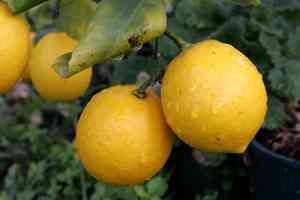
The most favorable period for transplanting brush cherry is at the onset of spring. Select a location featuring soil that drains effectively and receives abundant sunlight. During the relocation process, manage brush cherry gently, particularly its fragile root structure, to guarantee a prosperous transition.
Preparations Required Before Relocating Brush Cherry
Optimal Period for Transplanting Brush Cherry
The best time to move brush cherry is when winter's cold recedes but summer's heat hasn't fully arrived – essentially, in early spring. Transplanting during this window leverages the cool yet warming soil, which promotes root development without the stress of extreme temperatures. This strategic timing gives brush cherry a strong start in its new spot, fostering vigorous growth and health throughout the growing season. By choosing this ideal period, you're providing brush cherry the gentle encouragement it needs to flourish in its new home.
Recommended Spacing Between Brush Cherry Plants
Ensure brush cherry has ample room to expand! When moving your plant, aim to position each one approximately 10-12 feet (3-3.7 meters) apart. This will provide sufficient space for each plant to thrive without becoming overcrowded.
Best Soil Mixture for Brush Cherry Transplantation
For a thriving brush cherry, prepare your garden with well-drained, fertile soil. Incorporate a balanced base fertilizer (N-P-K 14-14-14) to give your plant a good nutrient boost. Remember, initial soil preparation is crucial for robust growth!
Ideal Location for Relocating Your Brush Cherry
Select a site for your brush cherry that receives ample sunlight, keeping in mind it performs well in full sun to partial shade. Lean towards a sunnier spot, but a little shade won't be detrimental. Happy gardening!
Equipment Needed Before Transplanting Brush Cherry
Garden Trowel
A useful tool for excavating holes and transferring the plant to its new position.
Gardening Gloves
To safeguard your hands while handling soil and plants.
Shovel or Spade
Beneficial for lifting larger plants from the ground without damaging the root system.
Soil Testing Kit
To assess the pH and nutrient levels in the soil, ensuring it offers the best environment for your brush cherry plant.
Watering Can or Hose
You will need to hydrate the soil both before and after the transplanting process.
Compost or Organic Matter
To enrich the new planting soil and enhance your brush cherry's vitality.
Mulch
To help maintain soil moisture after the transplant.
How to Extract Brush Cherry from the Soil
How to Extract Brush Cherry from the Soil
From Ground: First, water your brush cherry plant to moisten the soil, making removal easier. Dig a wide trench around the plant using a shovel or spade, ensuring the plant's root ball remains intact. Then, carefully work the spade under the root ball to lift the plant from its current spot.From Pot: Water the soil inside the pot and allow it to soften. Loosen the soil around the edges with a garden trowel, then gently invert the pot and ease the plant out, supporting the base of the brush cherry plant as it emerges.From Seedling Tray: Water the seedling tray and let it sit for a while to soften the soil. Then, hold by the leaves, not the stem, and gently loosen the root ball using a small trowel or spoon. The brush cherry seedlings are now ready for transplant.
Step-by-Step Guide for Transplanting Brush Cherry
Preparation
Begin by watering the brush cherry plant you intend to transplant. Moisten the soil in the new location. It should be adequately moist, not overly saturated.
Digging
Using your garden trowel, excavate a hole in the new location that is twice as wide and as deep as the root ball or pot.
Placement
Carefully position your brush cherry plant into the hole. Ensure it stands upright and is at the same depth as it was in its original location.
Filling
Backfill the hole with soil, compost, or a mixture of both. While doing so, ensure your plant remains upright and centered.
Watering
Use your watering can or hose to hydrate the freshly planted brush cherry, keeping the soil moist but not waterlogged.
Post-Transplant Care for Brush Cherry
Watering
Consistently water your newly transplanted brush cherry, especially during the initial weeks. The soil should be damp, but not soggy or waterlogged.
Pruning
If necessary, lightly prune the brush cherry after transplanting to aid its recovery and encourage new growth. Remember to use clean, sharp tools.
Protection
Shield your brush cherry from harsh environmental conditions for at least the first few weeks post-transplant until it's established. If possible, erect a windbreak or provide shade to protect it from strong winds or intense sun exposure.
Monitoring
Observe for potential signs of stress, such as yellowing leaves or wilting. If noticed, consider adjusting watering schedules or investigating potential pest issues.
Resolving Common Issues with Brush Cherry Transplantation
What is the ideal time of year to transplant brush cherry?
The optimal period to relocate your brush cherry is during the S1-S2 season. This timeframe will give your plant the best opportunity to establish a robust root system before active growth commences.
How much space should I allow between brush cherry plants when transplanting?
Aim to position your brush cherry approximately 10-12 feet (3-3.6 meters) apart from each other. This will ensure they have ample room to grow and spread.
What kind of aftercare does brush cherry require post-transplant?
Deep and regular watering is essential. Do this particularly during the first few weeks following the transplant to encourage new root growth. Don't forget to apply mulch!
What precautions should I take before uprooting brush cherry for transplanting?
The safest approach is to thoroughly water your plant a day before transplanting. This will facilitate uprooting and minimize shock to brush cherry, maximizing its chances of thriving.
What type of soil preparation is necessary for transplanting brush cherry?
Brush cherry prefers well-drained, fertile soil. Before transplanting, enrich the soil with organic matter. This enhances soil fertility and improves moisture retention!
How should I handle the roots when transplanting brush cherry?
Handle gently and prevent the roots from drying out. If roots are dense or circling, carefully untangle them before planting to encourage outward growth.
Why does the relocated brush cherry appear wilted after transplant?
This is likely transplant shock. Adjust watering and ensure it's not exposed to harsh sunlight. Covering the plant with a shade cloth during the hottest part of the day can also be beneficial.
How deep should brush cherry be planted during transplanting?
When replanting your brush cherry, maintain the same soil level it had in its previous location. Dig a hole twice the width of its root ball.
What to do if the transplanted brush cherry isn't showing new growth?
Be patient, brush cherry may take some time to adapt to its new environment. Adjust watering if needed and check soil nutrient levels. Avoid excessive fertilization.
Is it necessary to stake my transplanted brush cherry until it's established?
Staking isn't always required but can offer support if brush cherry is tall or in a windy area. Ensure the stake doesn't harm the root ball or stem during the process.



