Enhancing Your Garden Design with the Brush cherry Plant: A Landscaping Guide
1
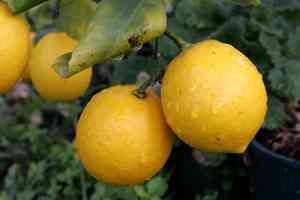
Brush cherry enhances the aesthetic of any outdoor area with its vibrant leaves and appealing fruit.
2
Optimal growth of Brush cherry in your garden depends significantly on its location and sun exposure.
3
Integrating Brush cherry with suitable companion plants can foster a harmonious and attractive garden environment.
Introducing Brush cherry into Your Green Space
Understanding the Visual Appeal of Brush cherry
The vibrant foliage of Brush cherry offers exceptional aesthetic charm that can revitalize any outdoor area. Its dense, verdant leaves form a lively canopy, making it an ideal focal point for your garden. The appealing fruits enhance its allure, providing lovely hues that can shift throughout the year. Whether you aim to establish a natural screen, a central feature, or simply diversify your garden, Brush cherry is a versatile choice that delivers both beauty and utility.
The Size and Shape Benefits for Varied Landscapes
A key advantage of Brush cherry is its adaptability in dimensions and form, rendering it suitable for diverse landscape designs. It can be trimmed into a neat hedge or allowed to develop into a larger, bushy tree, depending on your preference and spatial limitations. Its flexible size means it can fit into compact urban gardens or expansive rural properties, offering aesthetic benefits without dominating its surroundings. This versatility makes it a valuable addition to any garden, regardless of its size.
Choosing the Right Location for Brush cherry
Factors to Consider for Optimal Placement
Selecting the perfect spot for planting Brush cherry is crucial for its well-being and development. Consider elements such as proximity to structures or walkways, as Brush cherry can grow quite large if not regularly pruned. Additionally, think about air circulation, as good airflow helps prevent diseases and pests. Positioning Brush cherry where it can mature without obstruction will enable it to reach its full potential and contribute effectively to your overall landscape design.
Sunlight and Soil Requirements
For Brush cherry to flourish, it needs specific light and soil conditions. Ideally, it should be planted in a location that receives full to partial sun exposure. Too much shade can impede its growth, while excessive direct light can lead to scorching. The soil should be well-drained and fertile, with a pH ranging from acidic to neutral. Incorporating organic compost into the soil can supply the nutrients Brush cherry requires, promoting robust growth and enhancing its visual appeal.
Integrating Brush cherry with Other Plants
Complementary Plants for Brush cherry
To cultivate a harmonious and attractive garden, consider pairing Brush cherry with complementary plants. Plants with contrasting leaf colors, such as silver or dark green, can accentuate the richness of Brush cherry. Flowering plants that bloom at different times of the year can provide continuous color and interest in your garden. Furthermore, ground covers with varied textures can complement Brush cherry's smooth leaves, creating a visually pleasing balance.
Creating Harmonious Plant Groupings
Arranging plants harmoniously with Brush cherry can elevate the visual appeal of your landscape. Group plants in clusters, considering their height, color, and texture to create depth and dimension. Utilize Brush cherry as a backdrop for smaller plants, or as a contrast to plants with more delicate appearances. This layered approach ensures that each plant is highlighted, and the garden appears cohesive and thoughtfully designed. Proper spacing is also vital to prevent overcrowding and to ensure each plant has ample room to thrive.
Seasonal Considerations for Brush cherry
What to Expect During Different Seasons
Brush cherry, being an evergreen, offers beauty throughout the year, but its appearance can shift with the seasons. During spring and summer, you can anticipate lush green growth and the emergence of its characteristic berries. Autumn might bring subtle changes in leaf color, while winter can highlight Brush cherry's resilience and structure. Being aware of these seasonal transformations can help you plan your garden's look year-round, ensuring there's always something engaging to observe.
Preparing Brush cherry for Weather Changes
To maintain Brush cherry's health through varying weather conditions, certain preparations are necessary. In colder regions, mulching around the base can help shield the roots from freezing temperatures. During dry periods, consistent watering is crucial to prevent stress and preserve vibrant foliage. Pruning before the growing season can stimulate new growth and help shape the plant according to your landscape design. Being proactive with seasonal care ensures Brush cherry remains robust and continues to enhance your garden's aesthetics.
Maintaining the Health and Aesthetics of Brush cherry
Routine Checks and Basic Upkeep Tips
Regular maintenance is essential for keeping Brush cherry healthy and appealing. Periodically inspect the plant for signs of pests or disease and address any issues promptly. Watering, fertilizing, and mulching should be part of your routine care schedule. Pruning should be performed to maintain the desired shape and size, which also encourages healthy new growth. By staying on top of basic upkeep, you ensure that Brush cherry remains a beautiful and integral part of your landscape.
Addressing Common Aesthetic Challenges
Despite the general hardiness of Brush cherry, aesthetic issues can arise. Leaf discoloration or berry drop might indicate nutrient deficiencies or irrigation problems. Uneven growth or bare spots can result from improper pruning or insufficient sunlight. To tackle these challenges, adjust care practices such as watering schedules, fertilization, and pruning techniques. Consulting with a local horticulturist can provide specific advice tailored to your region and ensure that Brush cherry continues to thrive and beautify your landscape.



